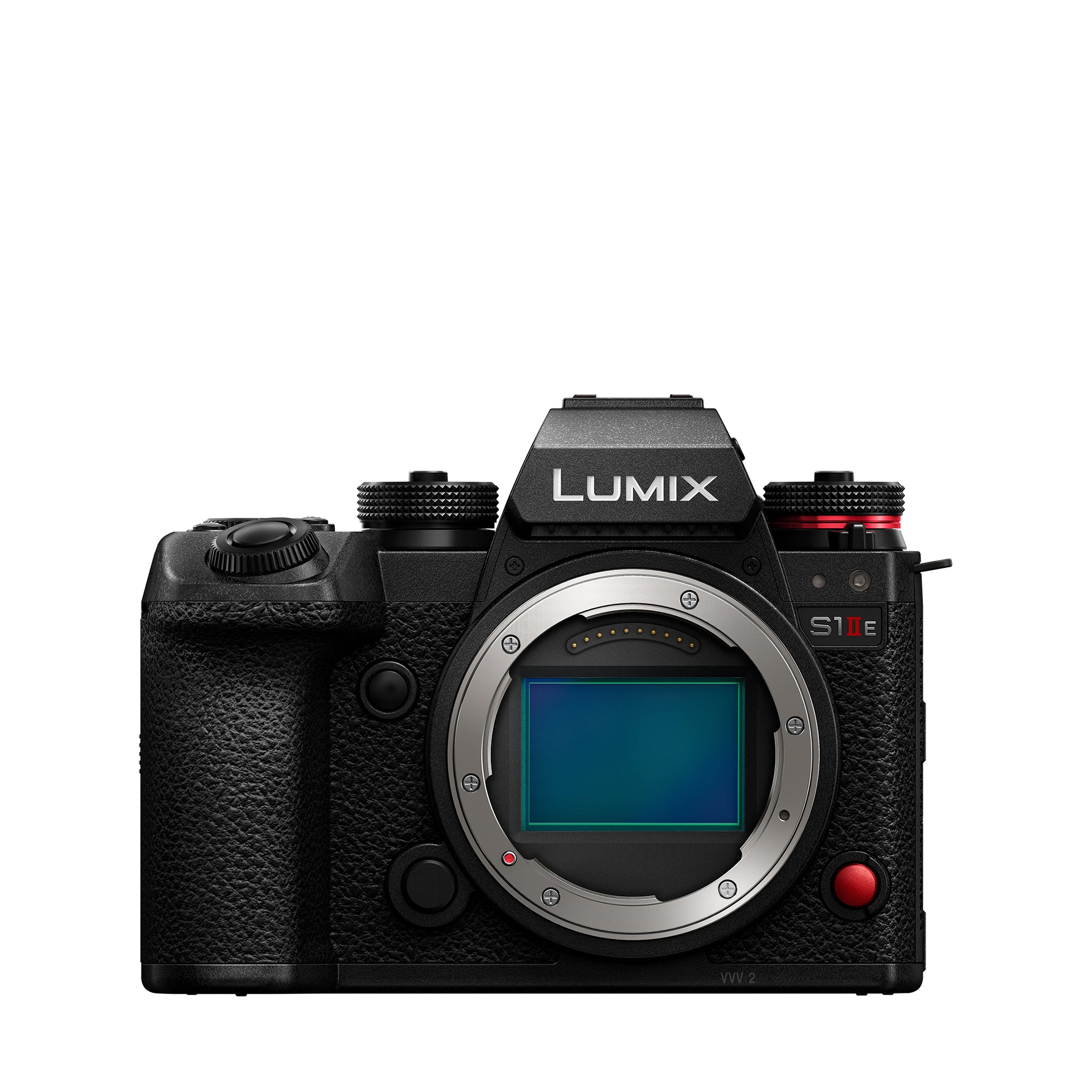
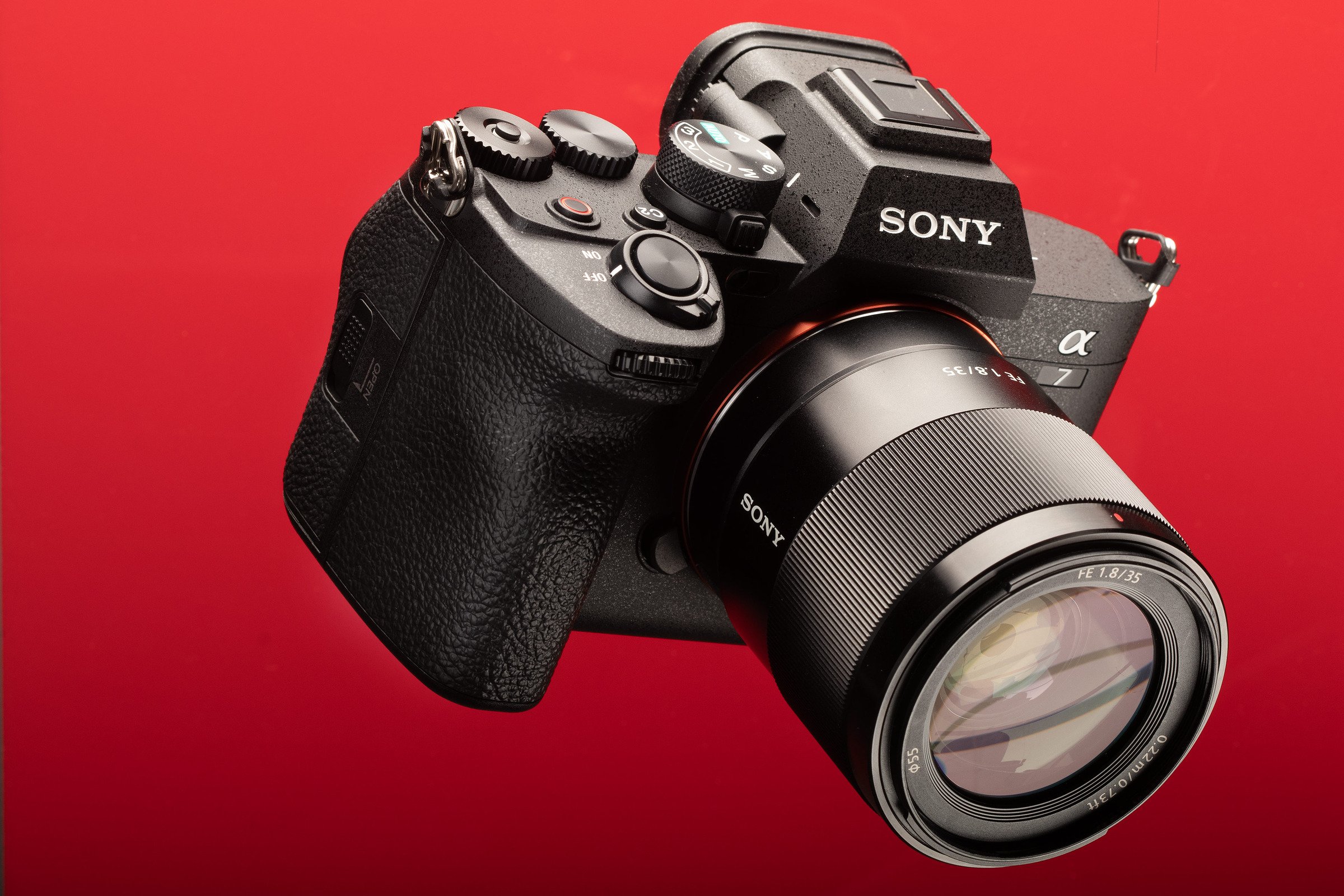
The Panasonic S1 II E and the Sony A7 IV are two highly regarded full-frame mirrorless cameras that attract photographers and videographers alike due to their robust feature sets. Users typically choose between these cameras based on their specific needs in terms of image quality, autofocus performance, video capabilities, and ergonomics. The inherent differences in their specifications create a compelling comparison, particularly for creatives who might have loyalties to either brand or are venturing into full-frame systems for the first time.
As both models are aimed at serious enthusiasts and professionals, the decision may come down to specific requirements, such as frame rates for video, autofocus accuracy for photography, or usability in rugged environments. This review will delve into key aspects to help prospective buyers make an informed choice, highlighting where each camera excels and where they may fall short compared to the other.
Specifications Comparison
Detailed Comparison
Image Quality
The Panasonic S1 II E features a 24.1-megapixel full-frame sensor, which offers excellent detail and dynamic range, appealing to landscape and portrait photographers alike. The slightly lower pixel count compared to the Sony A7 IV can be advantageous in terms of noise performance, especially at higher ISO settings, making it suitable for low-light conditions.
In contrast, the Sony A7 IV's 33-megapixel sensor provides higher resolution, which is beneficial for producing large prints or cropping images without losing essential detail. This higher resolution also tends to yield more latitude in post-processing, making it preferred by those who prioritize detail retention in their photography.
Ultimately, while both cameras deliver stunning image quality, the choice may hinge on whether the user prioritizes higher resolution or better performance in diverse lighting conditions, ultimately leaning towards the A7 IV for versatility in image capture.
Autofocus System
The Sony A7 IV is equipped with an advanced autofocus system that includes 759 phase-detection points, providing quick and reliable focus acquisition across a wide area of the frame. This system incorporates real-time eye autofocus for both humans and animals, enhancing its effectiveness in portrait photography and wildlife shooting.
On the other hand, while specific autofocus points for the Panasonic S1 II E are not published, Panasonic's depth from defocus technology offers fast and accurate focusing capabilities. However, it may not match the extensive focal coverage seen in the Sony A7 IV. In practical usage, users have reported that the A7 IV excels in tracking moving subjects, making it a preferred choice for action-oriented photography.
In summary, the A7 IV's superior autofocus system makes it the winner in this category, particularly beneficial for sport and wildlife photographers who require quick, accurate focusing.
Video Capabilities
The Panasonic S1 II E shines in video capabilities, offering impressive recording options including 5.9K at 60p, 5.1K at 60p, and 4K at 120fps. This makes it an excellent choice for professional videographers who need high-quality footage and high frame rates for slow-motion effects. Furthermore, it supports 10-bit internal recording, ensuring better color depth and grading potential during post-production.
The Sony A7 IV, while capable of shooting 4K at 60p, lacks the higher frame rates available in the S1 II E. However, it does offer excellent usability features like S-Cinetone for beautiful color profiles straight out of the camera. This makes the A7 IV a strong contender in the hybrid shooting space, balancing photographic performance with fundamental video features.
In conclusion, if video capabilities are the primary consideration, the Panasonic S1 II E wins due to its more advanced options and higher recording resolutions.
Build & Ergonomics
Panasonic designed the S1 II E with a robust build quality that is weather-sealed and features a comfortable grip, making it suitable for outdoor shooting in varying conditions. The controls are well laid out, which can be appealing to professionals who require quick access to camera settings while shooting.
Comparatively, the Sony A7 IV is also weather-sealed and has a compact and lightweight design, but it is slightly heavier than the S1 II E. The ergonomics are generally praised, although some users may find the dial system and menu navigation less intuitive compared to Panasonic's layout. Both cameras have their strengths when it comes to durability and handling; the A7 IV's lighter body may be advantageous for long shooting sessions.
Overall, while both cameras are well-built, the Panasonic S1 II E's ergonomics may better serve those who prioritize handling in rugged environments, but the A7 IV's weight could be favorable for portability.
Battery & Storage
The Sony A7 IV offers impressive battery life with approximately 580 shots per charge, making it a reliable option for full-day shoots without frequent recharging. Furthermore, it utilizes dual card slots that support CFexpress Type A and SD UHS-II cards, providing flexibility in storage and reliability for high-speed recording.
On the contrary, the Panasonic S1 II E does not have specific battery life data listed, but it is believed to be comparable or slightly less than the A7 IV. It also has dual card slots, but may not match the faster CFexpress compatibility of the A7 IV, focusing instead on SD cards. This difference in both battery efficiency and storage flexibility gives the Sony model an edge in this aspect.
In conclusion, the A7 IV stands out with its superior battery life and flexible storage options, making it a more pragmatic choice for extended shooting sessions.
Value for Money
The Panasonic S1 II E generally caters to video-centric users, providing higher specifications at competitive pricing. Its video capabilities, along with robust build quality, make it a favorable option for those focusing heavily on video work.
On the other hand, the Sony A7 IV, priced at $2499, delivers solid performance across photography and videography, presenting a slightly higher price for its advanced autofocus and image quality. Its consumer-friendly balance of features, however, makes it a great all-rounder for both stills and video, producing significant value in its segment.
When considering the overall feature set and versatility, the S1 II E offers greater value for video production, while the A7 IV appeals broadly to those who want strong performance in both genres. Ultimately, the right value will depend on the primary use case of the buyer; thus, this section can be considered a tie as both cameras present excellent value in their respective areas.
Our Verdict
Both the Panasonic S1 II E and Sony A7 IV offer compelling features tailored to different types of photographers and videographers. The Panasonic S1 II E emerges as the better choice for those who prioritize high-quality video capabilities and robust build quality. Conversely, the Sony A7 IV excels in terms of autofocus performance, image resolution, and overall versatility, making it an appealing option for seniors in photography and hybrid shooting scenarios. Buyers should choose the S1 II E if they require superior videography features and the A7 IV for a more well-rounded photographic experience.