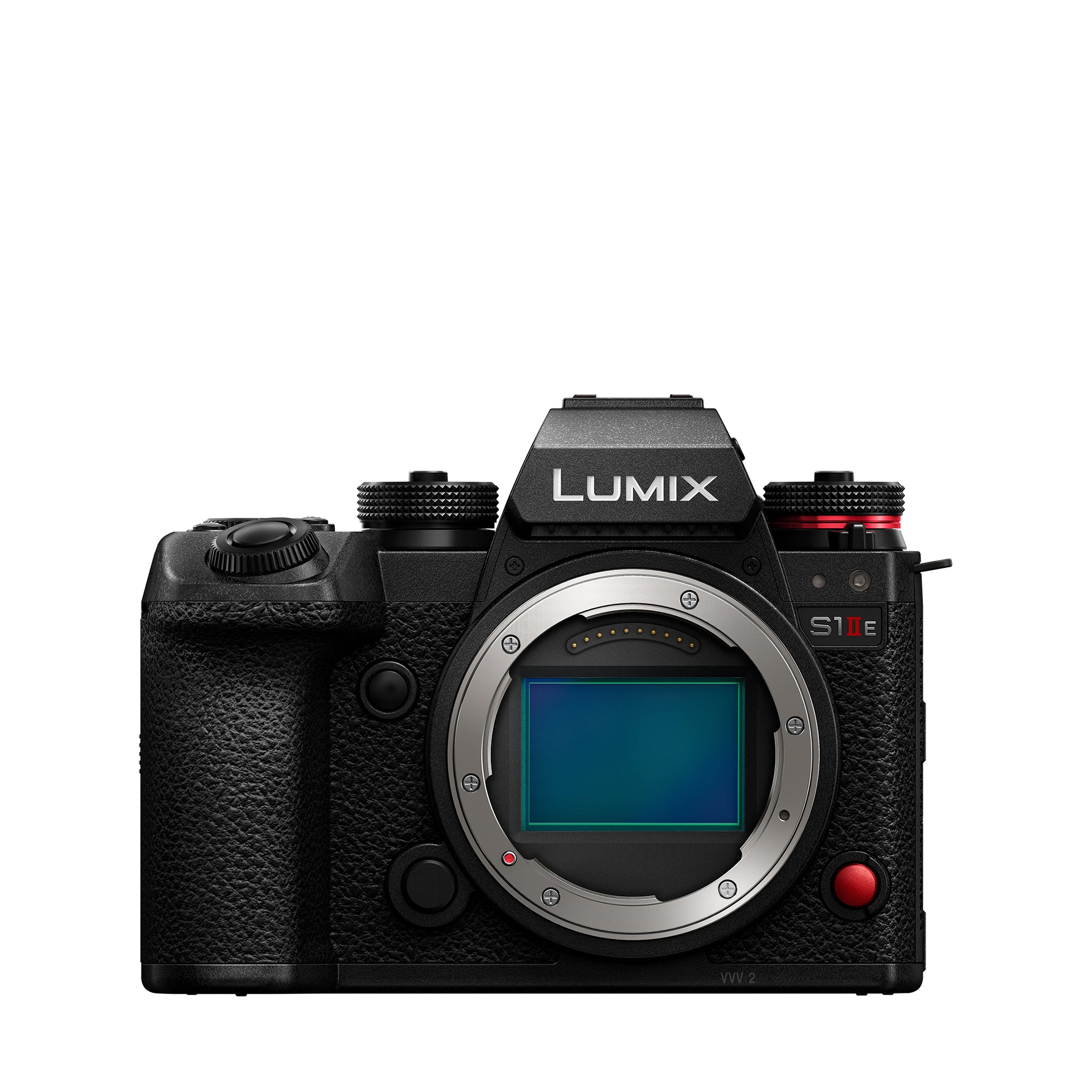
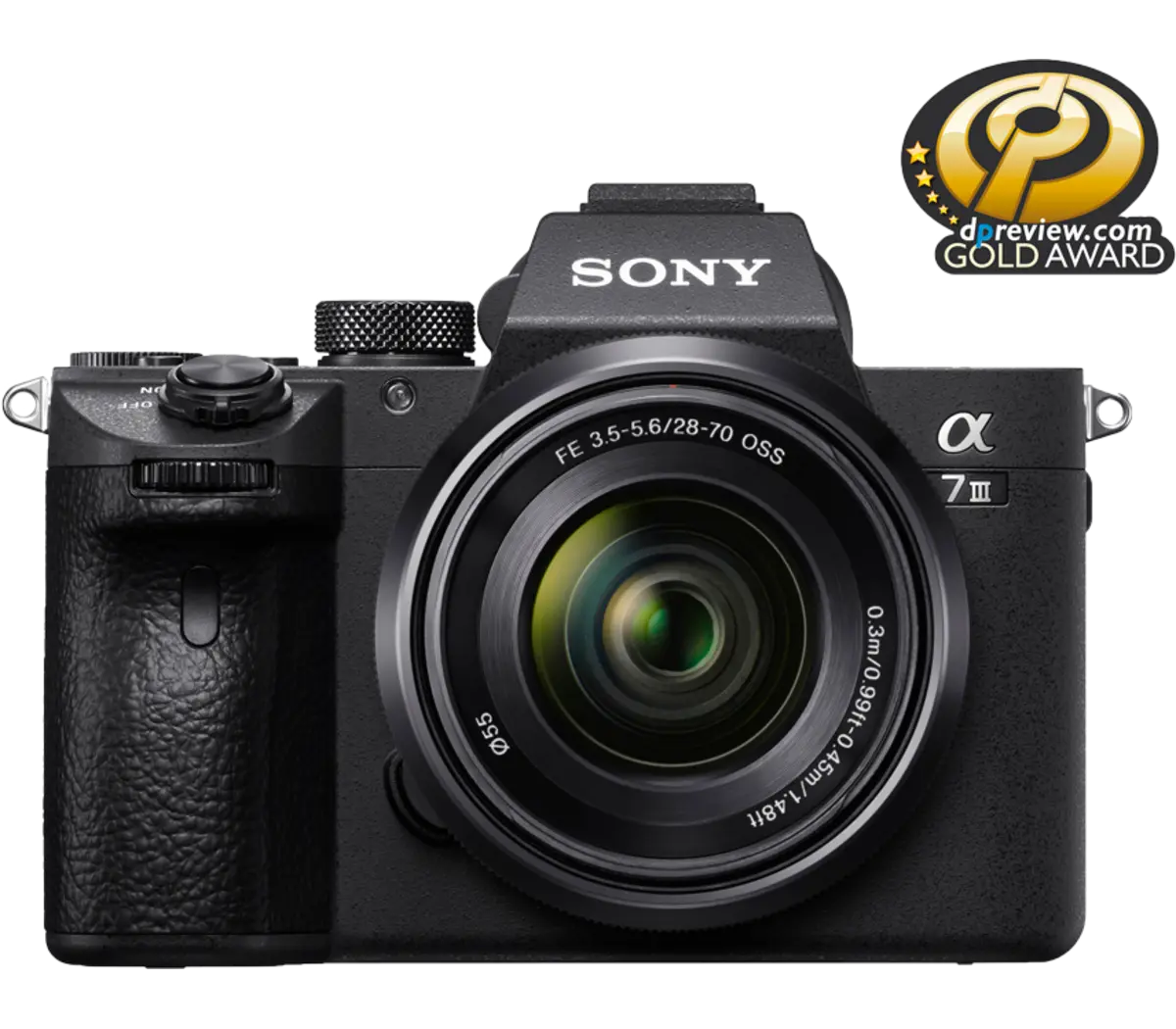
The Panasonic S1 II E and the Sony A7 III are two notable full-frame mirrorless cameras that appeal to both photography enthusiasts and professionals. Buyers often compare these models due to their similar pricing and feature sets, aiming to find the right balance between image quality, autofocus capabilities, and video performance. With the rise of hybrid shooting, these cameras cater to a wide audience looking for versatile imaging solutions, but they also come with distinct advantages in various aspects. Understanding these differences can help prospective buyers make informed choices based on their specific needs and preferences.
Specifications Comparison
Detailed Comparison
Image Quality
Both the Panasonic S1 II E and the Sony A7 III feature 24-megapixel full-frame sensors, capable of producing high-quality images with excellent dynamic range and detail. The S1 II E boasts a slightly higher resolution at 24.1 megapixels, which can appeal to those who favor marginally better detail capture in high-resolution images. Both cameras perform well in lower light conditions, although the A7 III's ISO range of 100-51200 provides more flexibility for shooting in challenging lighting situations.
Color science can also be a point of differentiation, with the A7 III favoring warmer tones and more defined skin colors, making it a popular choice for portrait photography, while the S1 II E tends to deliver more neutral tones, which can be preferred for commercial work and nature photography. Furthermore, the S1 II E has advantages with its advanced post-processing capabilities tied to its image processor, which allows for increased control when it comes to RAW file editing.
Both systems are capable of producing stunning images that satisfy most professional needs; however, depending on the photographer's style and preference, they may lean towards one camera's output over the other.
Autofocus System
The Sony A7 III is equipped with a highly regarded autofocus system that features 693 phase-detection points and 425 contrast-detection points, making it one of the fastest and most reliable systems in its class. This extensive coverage ensures high accuracy and speed, particularly useful for fast-moving subjects in sports or wildlife photography. Moreover, its Eye AF technology is particularly praised for portrait shooters, as it locks onto the subject's eye quickly and effectively.
In contrast, the Panasonic S1 II E, while not having as many autofocus points, still delivers competitive performance with its hybrid autofocus system. It combines contrast and phase detection, enabling decent tracking and focus acquisition, albeit at a slightly lower speed compared to the A7 III. However, the S1 II E shines in low-light conditions, where its autofocus can be more responsive than previous Panasonic models, making it viable for wedding and event photography.
In summary, while both cameras provide solid autofocus performance, the A7 III holds a clear advantage in terms of speed, accuracy, and advanced tracking features, especially for fast action scenarios.
Video Capabilities
The video performance of both the Panasonic S1 II E and the Sony A7 III presents a distinct advantage for users prioritizing video quality. The S1 II E outpaces the A7 III significantly in video resolutions, offering 5.9K/60p and 4K options up to 120fps, catering to professional filmmakers seeking high-quality and high-frame rate capabilities. This gives filmmakers more flexibility for creative editing and post-production.
On the other hand, the A7 III is limited to 4K recording at 30p. While this may suffice for casual videography, it does not match the robustness of the S1 II E's offerings. Additionally, the S1 II E supports V-Log, providing extensive dynamic range and flexibility in color grading, which is a substantial advantage for serious videographers.
For users who prioritize video quality and advanced features, the S1 II E clearly stands out as the go-to choice, while those who primarily shoot stills but also need to capture video might find the A7 III adequate.
Build & Ergonomics
Both cameras feature robust build quality, with the A7 III being weather-sealed and capable of withstanding harsh shooting conditions. Its ergonomic design and traditional button layout make it comfortable for prolonged use. The lighter weight of 650 grams also contributes to its usability, especially for those carrying their camera for extended periods.
In contrast, the Panasonic S1 II E, while heavier, provides a solid feel that inspires confidence, thanks in part to its professional build and weather resistance. It also boasts a larger grip, which can be advantageous for users with bigger hands or when using larger lenses. The S1 II E comes equipped with a fully articulating touchscreen, enhancing usability for vlogging or angled shots compared to the more limited tilting screen on the A7 III.
Ultimately, preferences in ergonomics may vary among users; while some may prefer the lightweight nature of the A7 III, others might choose the more substantial feel of the S1 II E, especially for video work requiring a more steady grip.
Battery & Storage
The Sony A7 III has a noteworthy advantage when it comes to battery life, providing up to 710 shots per charge, which is quite impressive for a full-frame mirrorless camera. This is particularly beneficial for photographers who shoot long events or do not want to carry extra batteries.
The S1 II E, while not providing as many shots per charge, utilizes the new high-capacity batteries that do last longer than earlier Panasonic batteries. However, the trade-off is often in the need to carry additional batteries for extended shooting sessions. Both cameras support dual card slots, but the A7 III is compatible with SD UHS-II cards, which provide fast write speeds for larger files, an important factor for high-burst rate shooting or high-resolution video.
In scenarios where extended battery life is crucial-like weddings or long outdoor shoots-the A7 III may have the upper hand, but the S1 II E's dual card slots provide added reassurance for photographers who prioritize data redundancy.
Value for Money
The Sony A7 III is competitively priced at around $2000, providing an excellent balance of performance and features, especially considering its autofocus capabilities and excellent battery life. It's considered one of the best entry points into full-frame cameras due to its reliability and extensive user base, creating a vast ecosystem of lenses and accessories.
The Panasonic S1 II E, while carrying a similar price tag, adds significant value with its advanced video capabilities and a slightly higher resolution. For dedicated videographers, these features can justify its cost. However, for photographers primarily focused on stills, the A7 III offers a more comprehensive overall package for general use.
Choosing the right camera will ultimately depend on the intended use; for those needing enhanced video capability and advanced features for filmmaking, the S1 II E may offer better value, while those primarily focused on photography may find the A7 III to deliver greater bang for the buck.
Our Verdict
In conclusion, while both the Panasonic S1 II E and the Sony A7 III deliver exceptional performance in their respective domains, the S1 II E emerges as the overall winner due to its superior video capabilities, advanced features, and slightly better image quality. It caters exceptionally well to hybrid shooters who require a camera that excels in both photography and videography. The A7 III, with its stronger autofocus system and excellent battery life, remains a solid choice for stills-focused photographers and those entering the full-frame realm. Potential buyers should make their decision based on specific needs, whether it's robust video performance or reliable autofocus and battery longevity.