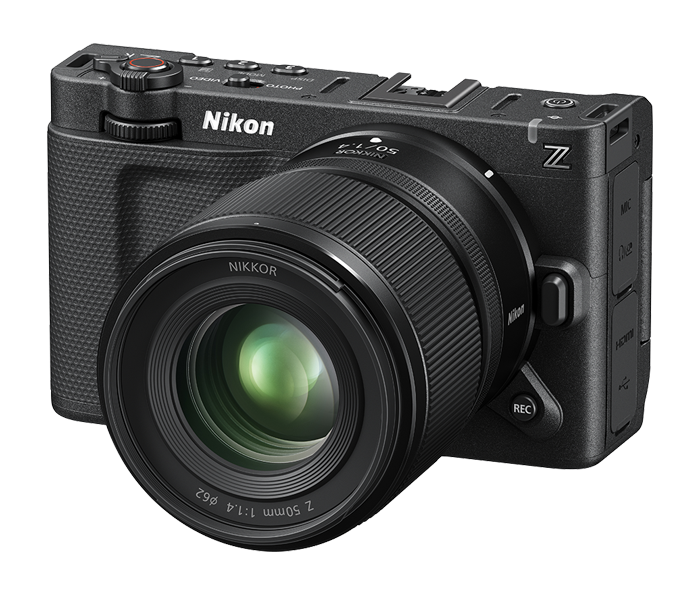

The Nikon ZR and Sony ZV-E1 are two full-frame mirrorless cameras that attract attention from both enthusiastic content creators and professionals seeking high-quality imaging solutions. With Nikon's recent release of the ZR, photographers are often considering it against the more established Sony ZV-E1, which, despite being slightly older, has garnered a strong reputation for vlogging and video production. This matchup typically involves users deciding between superior image quality and autofocus performance versus the video capabilities and ergonomics of the ZV-E1, making this a compelling comparison for both casual users and seasoned filmmakers.
Specifications Comparison
Detailed Comparison
Image Quality
When examining image quality, the Nikon ZR has a notable advantage with its 25-megapixel sensor that captures more detail and provides greater flexibility for cropping and large prints. The full frame sensor size of 35.9 x 23.9 mm ensures that images maintain a high dynamic range and low noise levels even at the upper ends of its ISO range. The Nikon ZR also supports an ISO range from 100 to 64,000, offering good performance in low light conditions.
In contrast, the Sony ZV-E1, while being a full-frame camera as well, features a lower resolution 12-megapixel sensor, which may limit detail retention in expansive landscapes or intricate textures. That being said, its ISO range expands from auto, 80-102,400 (and even 40-409,600 under certain conditions), which allows it to perform admirably in exceptionally low-light scenarios, although at a trade-off in resolution.
Overall, photographers prioritizing high-resolution image capture and ultimate image quality may prefer the Nikon ZR, whereas those who value low-light performance and moderate image quality may lean towards the Sony ZV-E1. Therefore, for pure image quality, the Nikon ZR emerges as the preferable choice.
Autofocus System
The autofocus system is crucial for photographers and videographers alike, and here the Sony ZV-E1 stands out significantly. With 759 autofocus points, the ZV-E1 offers an exceptionally fast and accurate focusing system that excels in both still photography and video, especially useful for content creators who need to keep moving subjects sharp. Its advanced tracking features and real-time Eye AF for both humans and animals ensure that subjects remain in focus even in dynamic shooting environments.
On the other hand, the Nikon ZR has a respectable 273 autofocus points. While it does provide good performance, it can't match the coverage and speed offered by the ZV-E1. The focusing capability of the ZR is reliable, but in practical use, especially with fast-moving subjects or in video, it may not perform as quickly or accurately.
Given the importance of effective autofocus for content creators, the Sony ZV-E1 becomes the clear winner in this category, appealing particularly to vloggers and moving subject photographers.
Video Capabilities
For videographers, the video features of each camera are vital, and while both can shoot in 4K, the Sony ZV-E1 offers 4K 60p video recording, a feature that is essential for creators looking to produce smooth and high-quality video content. The ZV-E1 is designed with a vlogging focus in mind, sporting features such as a vari-angle touchscreen and optimized audio processing, making it an excellent choice for video creators.
In comparison, the Nikon ZR does not specify the video frame rates, leading us to believe it is not primarily geared towards video production. The absence of dedicated video features could make it less attractive to those primarily focused on generating video content. The ZR may offer high-quality recording capabilities, but without clarity on specifications, it is challenging to position it as a strong competitor to the ZV-E1.
Build & Ergonomics
Both the Nikon ZR and Sony ZV-E1 offer well-built designs with weather sealing, making them both suitable for outdoor use. However, the Nikon ZR weighs 630 grams, making it more substantial in hand compared to the lighter 483-gram body of the ZV-E1. The slightly larger dimensions of the ZR also contribute to a more solid grip, which some users may find preferable.
The Sony ZV-E1, being designed with vlogging in mind, incorporates a vari-angle screen, which enhances its usability for self-recording. Although the ZR has a high-resolution 4" screen, it lacks the articulating feature, which could limit creative angles for video.
Ultimately, if a user prioritizes lighter, more compact equipment with versatile display options for video, the Sony ZV-E1 could be the better choice. However, those preferring a more robust feel and potentially better handling in still photography situations might lean towards the Nikon ZR.
Battery & Storage
Battery life and storage capabilities can significantly affect shooting duration, making this a critical aspect of camera performance. The Sony ZV-E1 boasts a battery life of approximately 570 shots, which is impressive for video centric use. This allows users to shoot longer without frequent interruptions.
Conversely, specific battery life data for the Nikon ZR is not mentioned, but given its release timeline and advancements in battery technology, it may come close to or match that of the ZV-E1. However, the lack of specific figures makes it more challenging to draw definitive conclusions.
On the storage front, both cameras utilize similar storage media, generally favoring high-capacity SD cards. However, the choice of memory type can play a role in read/write speeds during high-resolution burst shooting, especially in burst modes. The real-world use may remain relatively comparable, however the documented battery performance of the ZV-E1 gives it a slight edge.
Value for Money
Both the Nikon ZR and Sony ZV-E1 are priced similarly at $2200, presenting a challenging distinction in terms of value. The Nikon ZR offers superior resolution and is an excellent choice for photographers seeking high-quality stills, while the ZV-E1 is deeply entrenched in video-specific features and functionality, catering to a different kind of user base.
Given that content creators often weigh the practical applications of their gear against price, those focusing on video content may find more value in the Sony ZV-E1 due to its video-centric capabilities. Conversely, photographers who prioritize image quality may feel that the Nikon ZR, with its higher resolution and build quality, is ultimately worth the price.
In summary, while both cameras offer good value in their respective realms-photography for the Nikon ZR and videography for the ZV-E1-recommendations will vary significantly based on specific needs.
Our Verdict
In conclusion, the Sony ZV-E1 edges out the Nikon ZR when considering the overall feature set relevant to today's content creators, particularly those focused on video. Its superior autofocus system, robust video capabilities, and favorable ergonomics make it an ideal choice for vloggers and filmmakers alike. Conversely, the Nikon ZR excels in still photography with higher megapixel counts and potential image quality, making it fantastic for dedicated photographers. Buyers must consider their primary focus-if video production is key, the ZV-E1 is the clear choice; if still photography tops the list, the ZR stands strong.
Nikon ZR
Sony ZV-E1
Also Compare
Frequently Asked Questions
Which camera is better for vlogging?
The Sony ZV-E1 is better suited for vlogging due to its features, including 4K 60p recording, a vari-angle screen, and an extensive autofocus system that tracks subjects effectively.
Is the Nikon ZR worth it for still photography?
Yes, the Nikon ZR's higher resolution sensor and excellent image quality make it a strong choice for still photography, especially for those who prioritize detail and dynamic range.
How do the autofocus systems compare?
The Sony ZV-E1 has a superior autofocus system with 759 points, while the Nikon ZR offers 273 points. For fast or changing subjects, the ZV-E1 is likely the better choice.
What are the main differences in battery life?
The Sony ZV-E1 has a rated battery life of 570 shots, while the Nikon ZR's battery life is unspecified. Users may prefer the measurable endurance of the ZV-E1.
Which camera is better for low-light performance?
Both cameras perform well in low-light settings, but the Nikon ZR has a cleaner output at higher ISO levels despite the ZV-E1's extended low-light ISO range.