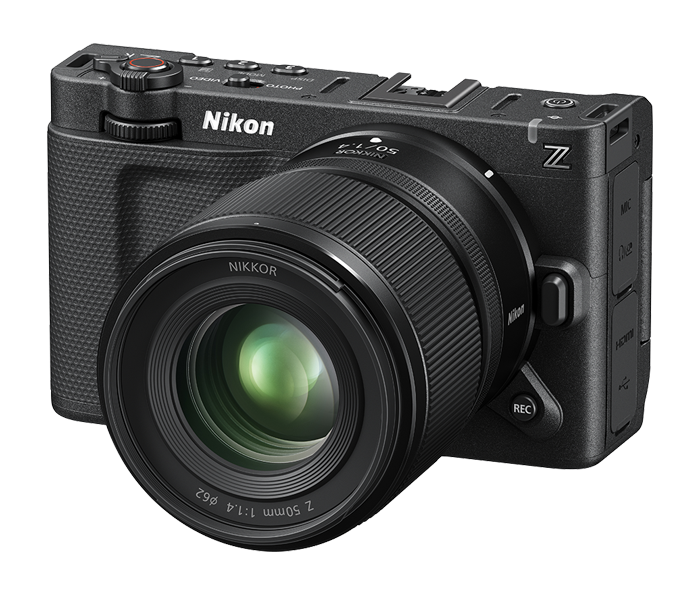
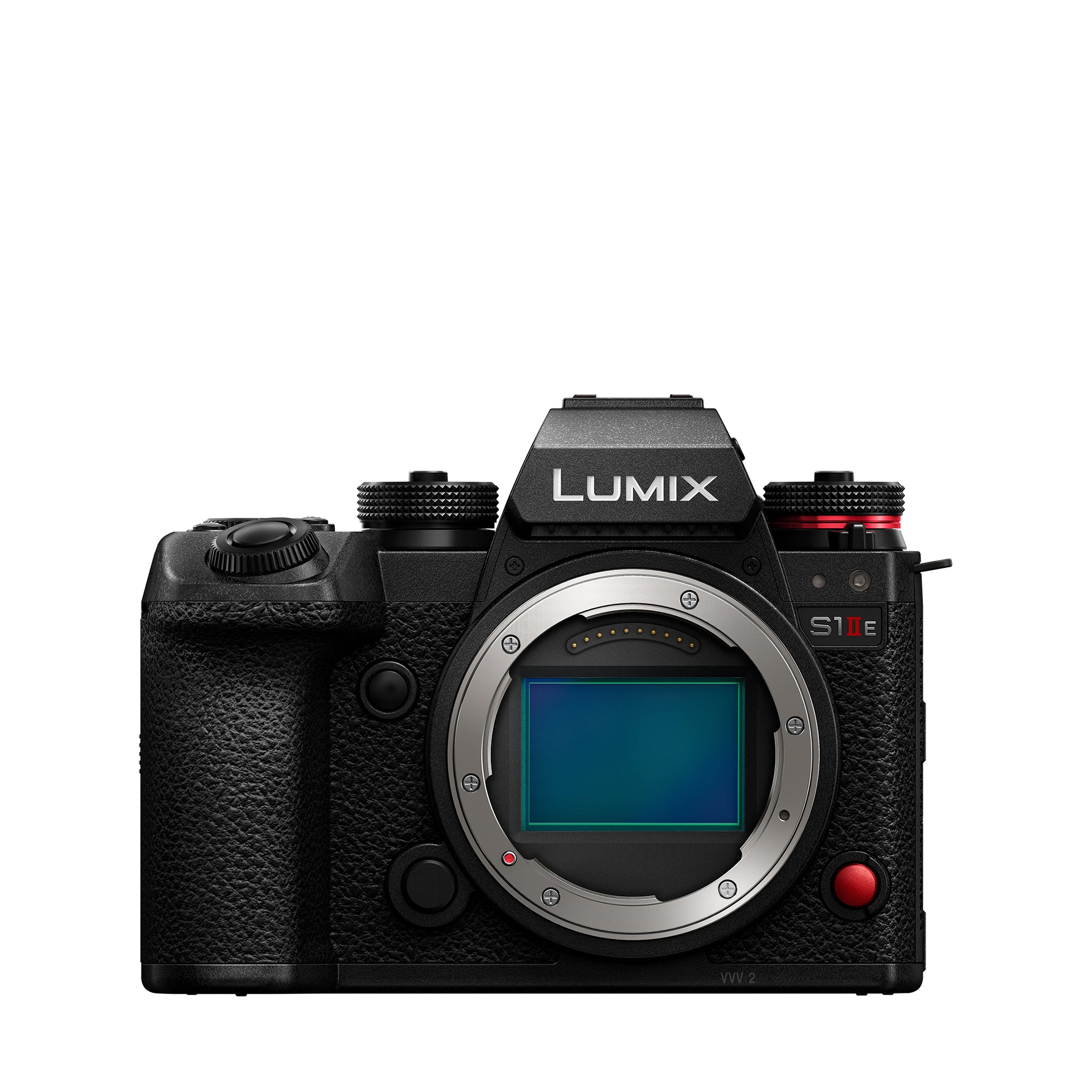
The Nikon ZR and Panasonic S1 II E are two full-frame mirrorless cameras that cater to both professional photographers and serious enthusiasts. Both cameras are known for their robust feature sets, making them popular choices among those who prioritize image quality and video versatility. Buyers often find themselves comparing these two models as they navigate the ever-evolving landscape of camera technology, seeking the best fit for their specific needs. The key differentiators that can affect decision-making include autofocus performance, video capabilities, and overall build quality.
Specifications Comparison
Detailed Comparison
Image Quality
When it comes to image quality, both cameras offer impressive results thanks to their full-frame sensors. The Nikon ZR boasts 25 megapixels compared to the Panasonic S1 II E's slightly lower count of 24.1 megapixels, allowing for high-resolution images with excellent detail. The ISO range of the Nikon ZR extends from 100 to 64,000, giving it an edge in low-light situations, while the S1 II E provides good performance but may not reach the same levels of sensitivity, which can be crucial for night photography or in poorly lit environments.
Dynamic range complexity and color reproduction are strengths for both systems, but the Nikon ZR's slightly higher megapixel count may provide a bit more flexibility in post-processing. The Nikon also excels in skin tones and natural color rendering, thanks in part to its advanced sensors and processing algorithms. However, the S1 II E is not far behind and still offers excellent image quality suitable for a variety of shooting scenarios.
Despite the differences, both cameras provide vibrant and sharp image quality. Overall, the Nikon ZR manages to edge out the Panasonic S1 II E with its higher megapixel count and superior low-light performance, making it a preferred choice for those who prioritize image quality.
Autofocus System
The autofocus systems of these cameras are critical in determining their usability in different shooting conditions. The Nikon ZR features an impressive 273 autofocus points, which contribute to fast and accurate focusing capabilities. This extensive coverage allows the camera to track subjects effectively, making it a suitable option for sports and wildlife photography.
In contrast, the Panasonic S1 II E also delivers competent performance but lacks the same number of autofocus points, which could hinder its ability to lock on to fast-moving subjects in complex environments. However, its autofocus system is known for being reliable in a wider variety of lighting situations, although it may not be as swift as the Nikon's.
For most users, the Nikon ZR's autofocus system may offer a distinct advantage in speed and accuracy, especially in dynamic shooting conditions. Therefore, in terms of autofocus performance, the Nikon ZR takes the lead.
Video Capabilities
The Panasonic S1 II E excels in video capabilities, offering advanced recording options that cater to professional videographers. It can shoot at resolutions up to 5.9K at 60 frames per second (fps), making it suitable for high-quality content creation, alongside 4K at 120 fps and 1080p at 240 fps, which provides versatility for slow-motion shots. This makes the S1 II E a strong contender for anyone focused primarily on videography.
The Nikon ZR, while capable of excellent video quality, does not match the variety provided by the S1 II E. The absence of detailed video specifications means it may not serve the needs of serious videographers who demand sophisticated features and higher frame rates for their projects.
Given the demands of modern video production and the growing importance of video capabilities, the Panasonic S1 II E clearly outperforms the Nikon ZR in this aspect, offering a wider range of recording options and functionality for video creators.
Build & Ergonomics
Both camera bodies are designed with professional use in mind, boasting durable constructions and weather-sealing, making them fit for demanding environments. The Nikon ZR weighs in at 630 grams, which is relatively lightweight for a full-frame camera, and features dimensions that promote comfortable handling over extended periods. Its controls and ergonomics are designed for ease of use, appealing particularly to those who engage in long shooting sessions.
On the other hand, the Panasonic S1 II E often feels bulkier, although it also provides a deeply textured grip that enhances stability when shooting handheld. The camera's design may be heavier and less portable but includes a solid array of buttons and dials that some users may appreciate for access to essential controls. Both cameras have been engineered with their target audience in focus, balancing durability and usability.
In terms of ergonomics and feel, the Nikon ZR edges slightly ahead due to its lighter weight and compact form factor, making it more portable for users on the go, while still offering robust features and weather sealing.
Battery & Storage
Battery performance is crucial for any camera user, and both models offer good battery life. The Nikon ZR is noted to operate effectively, providing sufficient shots per charge, essential for extended shoots. Users typically report meeting their needs without frequent battery changes under typical shooting conditions.
The Panasonic S1 II E, however, is reputed to have longer-lasting battery life due to the larger battery it houses. Additionally, considering storage, both cameras support dual-card slots which are beneficial for extended shooting sessions, with the S1 II E providing ample space for video-heavy workflows that require high-speed storage solutions.
Thus, in terms of battery life and storage options, the Panasonic S1 II E takes the lead, especially for users who favor longer shooting intervals or extensive video work.
Value for Money
The Nikon ZR is priced at $2200, presenting a competitive offering among full-frame mirrorless cameras. Given its image quality, autofocus systems, and professional-grade features, many users view it as a solid investment for serious photography. Its price reflects high performance, but can be seen as steep for those who may not need all of its capabilities.
Conversely, the Panasonic S1 II E also falls in a comparable price range but delivers a robust feature set more tailored for videographers. Users who primarily shoot video may find it more valuable for their creative needs due to its advanced video capabilities and battery life. Therefore, while the price point is similar, the real-world value will align closely with specific photographic or videography requirements.
Overall, buyers seeking primarily photography will see better value with the Nikon ZR, whereas those focusing on video might find the Panasonic S1 II E presents a more appealing offer.
Our Verdict
Ultimately, both the Nikon ZR and Panasonic S1 II E cater to different user needs, resulting in a balanced comparison. The Nikon ZR excels in image quality, autofocus performance, and overall ergonomics, making it ideal for photographers seeking high-resolution images in various conditions. In contrast, the Panasonic S1 II E shines in video capabilities and battery life, perfect for videographers who require robust tools for professional video work. Purchasing decisions will hinge on whether a user prioritizes photography or videography, making both cameras excellent choices depending on the specific demands.
Nikon ZR
Panasonic S1 II E
Also Compare
Frequently Asked Questions
Which camera is better for low-light photography?
The Nikon ZR is better for low-light photography due to its higher ISO range and better performance in capturing detail in darker environments.
What camera is more suitable for videography?
The Panasonic S1 II E is more suitable for videography, offering higher resolutions and frame rates that cater to professional video production.
Are both cameras weather-sealed?
Yes, both the Nikon ZR and Panasonic S1 II E are weather-sealed, providing durability in challenging environmental conditions.
Which has better autofocus capabilities?
The Nikon ZR features more autofocus points, providing faster and more accurate locking on to subjects, especially in dynamic conditions.
How do battery life and storage compare?
The Panasonic S1 II E typically has longer battery life, while both cameras offer dual-card slots for ample storage during extended shooting sessions.