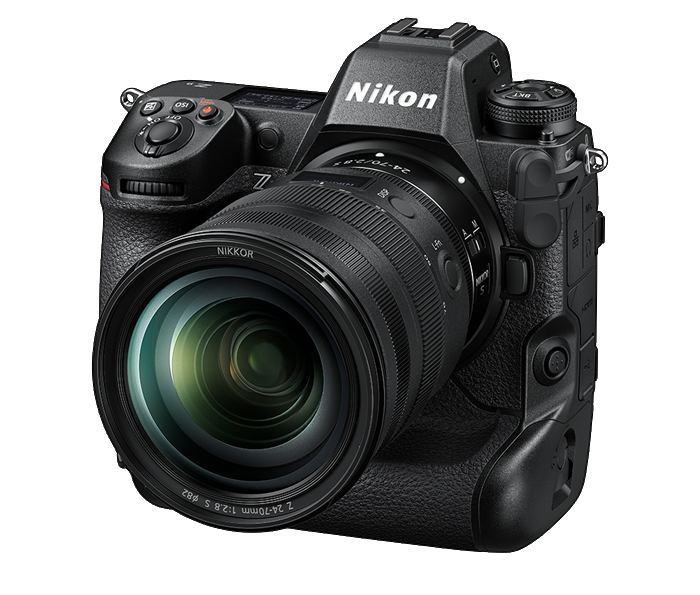
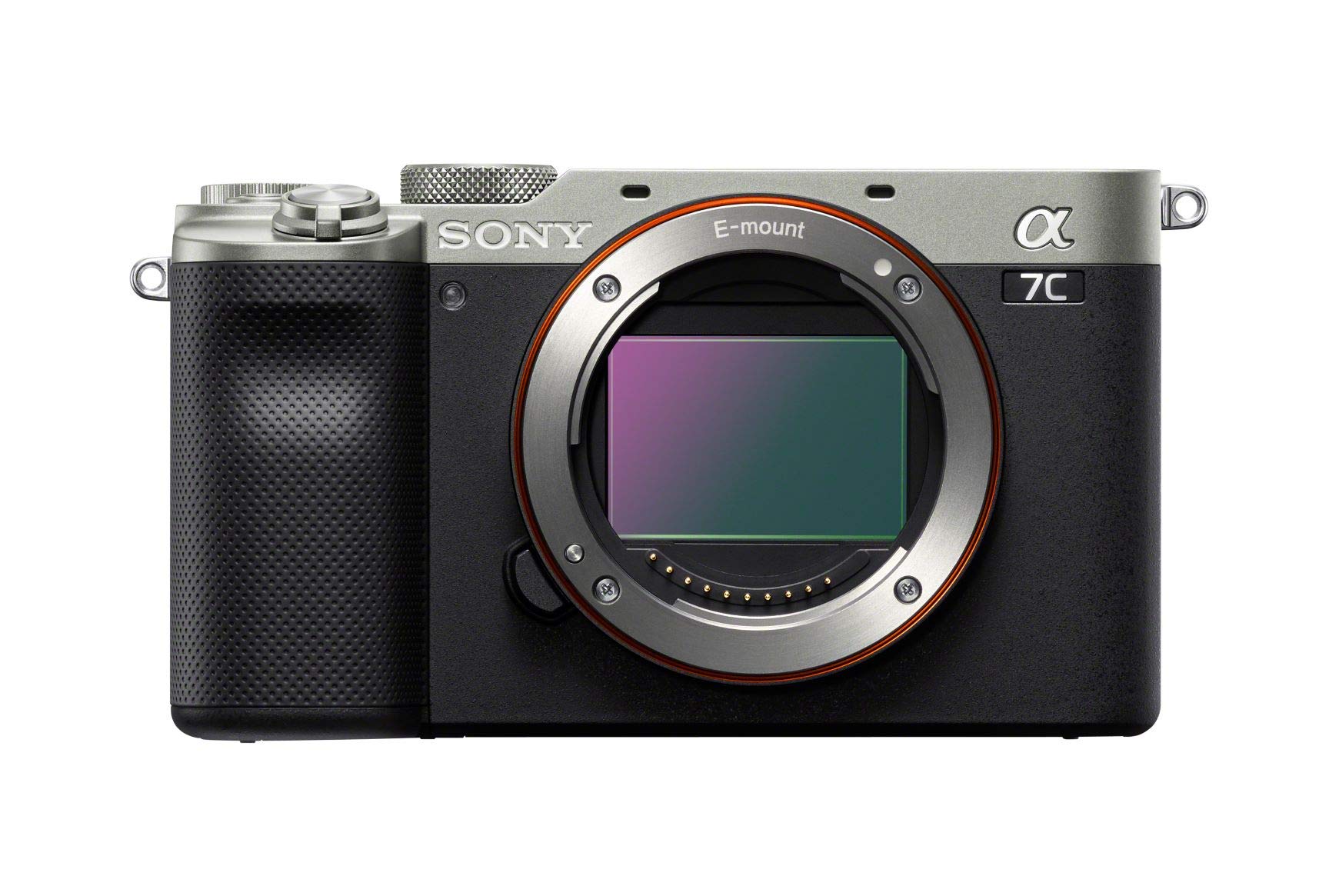
The Nikon Z9 and the Sony A7C are two prominent full-frame mirrorless cameras that cater to a diverse audience, from seasoned professionals to enthusiastic hobbyists. Commonly compared due to their respective brands' reputation for quality and innovation, these cameras are often the top choices for those seeking high performance in a compact chassis. Buyers are typically concerned about factors such as image quality, autofocus capabilities, video performance, and overall value, which are pivotal in deciding the ideal camera for their needs.
Specifications Comparison
Detailed Comparison
Image Quality
When it comes to image quality, the Nikon Z9 is a powerhouse, boasting a 46-megapixel sensor that captures stunning detail across a wide dynamic range. This higher resolution is advantageous for professionals needing large prints or extensive cropping capabilities without compromising on quality. In contrast, the Sony A7C features a 24-megapixel sensor. While this is adequate for most photography, it may lack the fine detail and resolution that the Z9 offers in high-demand scenarios such as landscapes or studio photography. Both cameras utilize full-frame sensors, contributing to excellent low-light performance, but the Z9's larger resolution provides a clear edge in this aspect. Therefore, for those prioritizing image fidelity and detail, the winner is clear.
Autofocus System
The autofocus system is another critical differentiator. The Nikon Z9 comes equipped with a sophisticated 493-point autofocus system, allowing for precise focus across a wide frame and effective tracking of moving subjects. The advanced algorithms enable reliable facial and eye detection, making it suitable for both wildlife and portrait photographers. On the other hand, the Sony A7C features a more robust autofocus configuration with 693 points, providing a slightly wider coverage area for focus points. This system is renowned for its speedy acquisition, especially in varied lighting conditions. While both systems excel, the practical application may tip in favor of the A7C for speed and coverage, while the Z9 offers superior reliability in tracking complex movements. Nonetheless, both systems are among the best in the market, ensuring users will have success regardless of their choice.
Video Capabilities
For videographers, the Nikon Z9 shines with its impressive video capabilities, supporting 4K recording at up to 120 frames per second, along with the ability to shoot 8K video, catering to professional filmmakers and content creators. Its 10-bit N-Log format allows for grading flexibility, making it a top choice for serious video production. In contrast, the Sony A7C offers 4K recording at a maximum of 30 frames per second. Although the A7C delivers decent video quality, it cannot match the Z9's higher frame rates, which excites fast-paced shooting scenarios. For those focused heavily on video work, the Z9's capabilities provide stronger value and performance, making it the clear winner in this category.
Build & Ergonomics
The build quality and ergonomics of the two cameras show contrasting philosophies. The Nikon Z9, heavier at 1340 grams, is built to withstand rigorous professional use, featuring extensive weather-sealing that can endure harsh environmental conditions. Its larger body provides a more substantial grip, which can be beneficial during prolonged shooting sessions. On the other hand, the Sony A7C, weighing just 509 grams, is compact and lightweight, making it highly portable and excellent for travel enthusiasts. Its smaller design sacrifices some grip comfort but enhances mobility. Both cameras include electronic viewfinders and articulated screens, showing strong design considerations, but the preference here will largely hinge on the intended use case: durability versus portability.
Battery & Storage
Both the Nikon Z9 and the Sony A7C provide comparable battery performance, lasting approximately 740 shots per charge, which is suitable for typical shooting days. The Z9, however, supports dual memory card slots, allowing photographers to manage high-resolution images and extended video without worrying about storage limitations. This dual-slot feature is particularly advantageous for professionals requiring redundancy and ample storage options during critical shoots. Conversely, the A7C's single memory card slot can be seen as a limitation for serious shooters. In settings requiring burst shooting of high-res images or extensive video, the Z9 offers a more resilient storage solution, leading to its favorable standing in this aspect.
Value for Money
The Sony A7C is priced at approximately $1799, making it more accessible for hobbyists and those who need a versatile camera without breaking the bank. It offers excellent performance for its price, especially for those who prioritize portability without sacrificing image quality. In stark contrast, the Nikon Z9 sits at a premium price point of $5500. However, this higher cost is justified for professionals needing cutting-edge technology, robustness, and unmatched specifications. While the Z9 excels in capabilities, its cost may be prohibitive for many. Therefore, for budget-conscious buyers, the A7C presents a superior value, appealing strongly to entry-level and intermediate users.
Our Verdict
In this comparison, the Nikon Z9 emerges as the overall winner, particularly excelling in image quality, video capabilities, and expanded storage options. It is an ideal choice for professionals demanding high performance, robust build quality, and advanced features. Meanwhile, the Sony A7C is not without its strengths - it is an excellent choice for travel photographers and enthusiasts searching for a lightweight, affordable option. This camera offers solid autofocus capabilities and is value-packed for its price. Ultimately, the decision should rest on the specific needs and the intended use case of the buyer, as each camera serves well within its context.
Nikon Z9
Sony A7C
Also Compare
Frequently Asked Questions
Which camera is better for professional photography?
The Nikon Z9 is better suited for professional photographers due to its superior image quality, advanced autofocus system, and video capabilities.
Is the Sony A7C good for vlogging?
Yes, the Sony A7C is excellent for vlogging due to its lightweight design and good video quality, although it lacks higher frame rate options compared to the Z9.
How do these cameras perform in low light?
Both cameras perform well in low light conditions, but the Z9's higher resolution allows for more detail in low-light images.
What is the main advantage of the Nikon Z9?
The main advantage of the Nikon Z9 is its higher resolution sensor and superior video capabilities, making it a top choice for professional use.
Can the Sony A7C handle outdoor conditions?
Yes, the Sony A7C has weather sealing, making it capable of handling mild outdoor conditions, but the Z9 offers more durability for extreme weather.