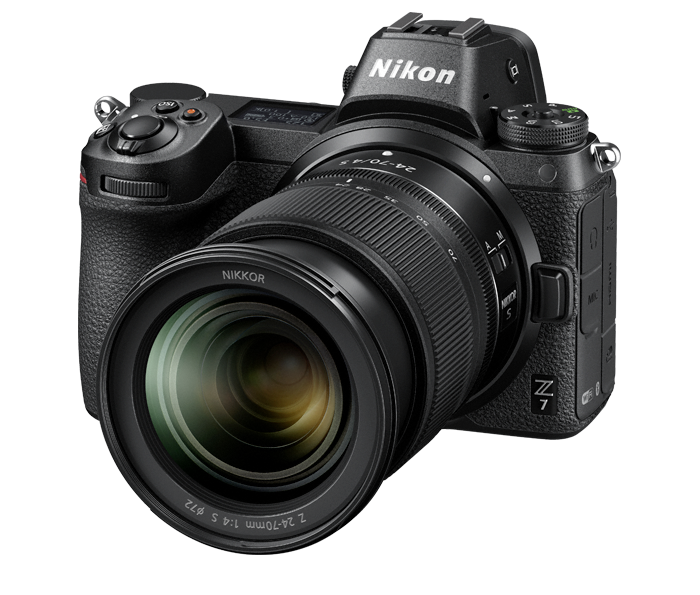
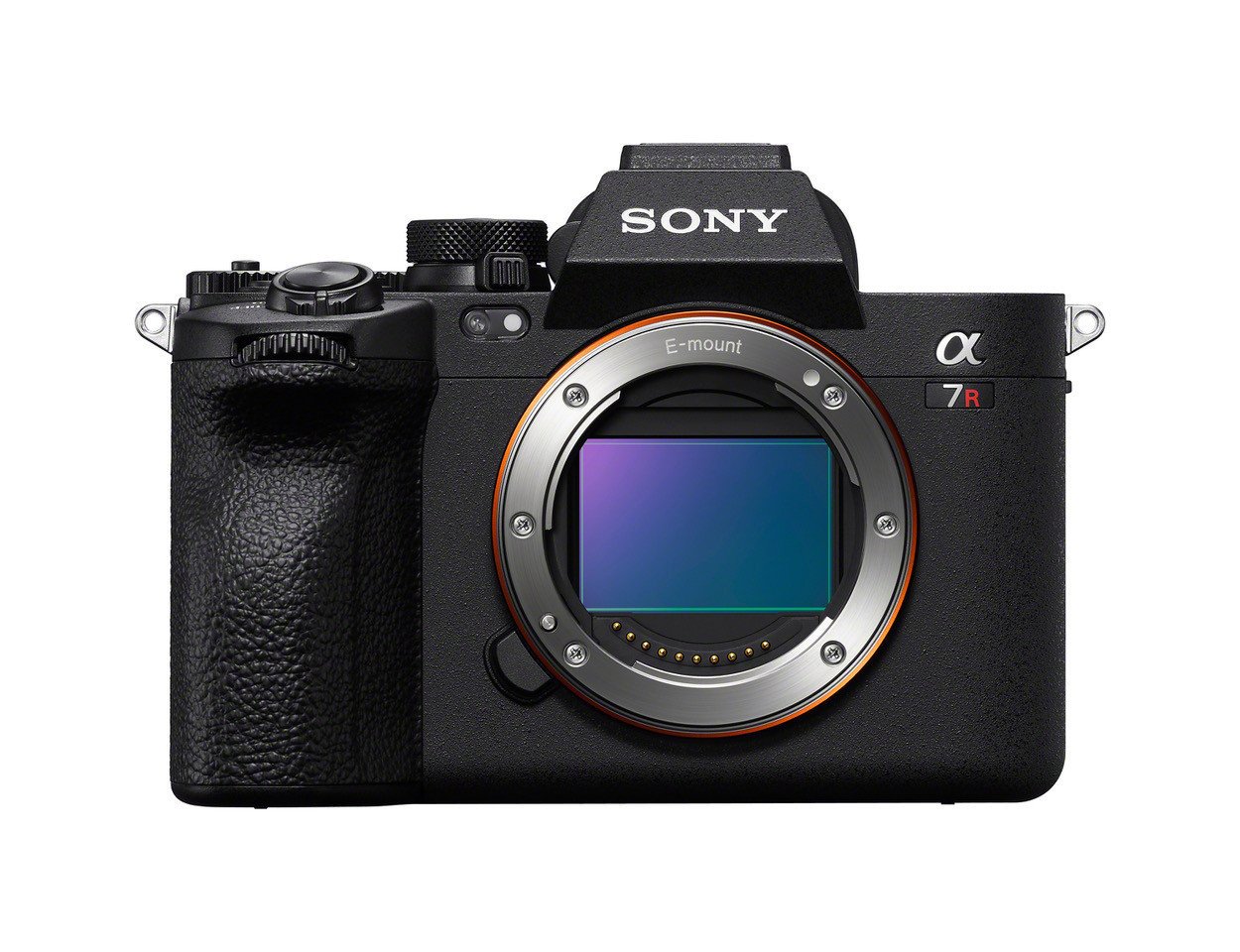
The Nikon Z7 and Sony A7R V are two premium full-frame mirrorless cameras that attract professional photographers and serious enthusiasts alike. Both models are often compared due to their high-resolution sensors, advanced autofocus systems, and robust feature sets, making them suitable for a range of photography styles such as landscape, portrait, and commercial work. Buyers on the fence about which camera to choose will generally be looking for the performance, image quality, and specific features that align with their shooting needs and preferences.
Key differentiators include the Nikon Z7's strong legacy and ergonomic design, which many photographers appreciate for its handling and intuitive controls, while the Sony A7R V boasts a higher megapixel count and superior video capabilities. These differences can significantly affect the decision-making process for potential buyers. This review will explore the various aspects of each camera to help make a well-informed decision.
Specifications Comparison
Detailed Comparison
Image Quality
Both the Nikon Z7 and the Sony A7R V deliver exceptional image quality, but there are notable differences in their specifications that can influence outcomes. The Nikon Z7 features a 46-megapixel sensor, which provides stunning detail and excellent low-light performance, particularly with its expanded ISO range of 32-102400. In practical terms, this means that the Z7 delivers superb images even in challenging lighting conditions, making it an excellent choice for landscape and portrait photography.
On the other hand, the Sony A7R V ups the ante with a whopping 60 megapixels, offering even greater resolution and detail for large prints or extensive cropping options. This comes with a slightly lower base ISO range starting at 100 but still expands to a comparable 50-102400. The higher resolution can be particularly advantageous for professional photographers who require detailed images for commercial work or gallery prints.
Ultimately, while both sensors perform admirably, the A7R V's extra megapixels give it a distinct edge in scenarios demanding maximum detail. However, both models exhibit excellent dynamic range and color reproduction, so users will be satisfied regardless of their choice.
Autofocus System
Autofocus performance is critical for capturing sharp images, particularly in fast-moving situations. The Nikon Z7 boasts an impressive 493 autofocus points, providing adequate coverage and performance for most photography needs. It features eye-detection autofocus, which works well for portrait photographers, ensuring that subjects' eyes are in sharp focus even in challenging lighting.
Conversely, the Sony A7R V excels with its 693 autofocus points, which offers superior focus tracking and a wider coverage area. This additional density of focus points is particularly beneficial for high-speed action photography, as it can lock onto subjects more effectively across the frame. Furthermore, the A7R V includes advanced AI-driven subject detection, further enhancing its capability to track both humans and animals reliably.
Given these facts, while both cameras offer robust autofocus systems, the A7R V takes a commanding lead thanks to its superior point count and advanced tracking abilities, making it the preferred option for sports and wildlife photographers.
Video Capabilities
When it comes to video performance, the Nikon Z7 is limited to 4K recording at 30 frames per second, which satisfies many casual videographers but may not meet the demands of more serious content creators. The 4K 30p recording offers good quality, but the lack of higher frame rates limits its versatility for dynamic video projects.
In stark contrast, the Sony A7R V supports 4K recording at up to 60 frames per second, providing smoother motion and increased creative freedom for videographers. It also boasts more advanced video features like 10-bit 4:2:2 internal recording and various log profiles, which allow for greater color grading flexibility in post-production. Additionally, its ability to handle overheating issues better during prolonged filming sessions further cements its place as a superior tool for filmmakers.
As such, for users prioritizing video capabilities along with exceptional image quality, the A7R V stands out significantly, making it the clear winner in this category.
Build & Ergonomics
Build quality and ergonomics are crucial for photographers who spend long hours with their cameras. The Nikon Z7 features a robust and weather-sealed construction, which offers a reassuring grip for those who frequently shoot in adverse conditions. Its layout and controls are designed with user-friendliness in mind, making it comfortable to operate, even for extended periods.
Similarly, the Sony A7R V is also built with a weather-sealed body, but it is slightly bulkier and heavier than the Z7, weighing 723 grams compared to the Z7's 675 grams. The A7R V provides a well-thought-out control layout, but some users find that the grip could be improved compared to Nikon's design, which is often praised for its comfort.
Overall, while both cameras are built to withstand the elements and are ergonomically designed, the Z7 may have an edge in terms of comfort and handling for extended use. This consideration might sway users who prioritize feel and usability over sheer build heft.
Battery & Storage
Battery life is an essential consideration for photographers working in the field. The Nikon Z7 offers a battery life of approximately 330 shots, which can be limiting for long shooting sessions without access to spare batteries. In contrast, the Sony A7R V benefits from a more efficient power management system and provides an impressive battery life of around 530 shots, making it a better option for users who need to shoot for extended periods.
Additionally, both cameras use different types of memory cards: the Z7 utilizes dual XQD/CFexpress, while the A7R V employs dual CFexpress Type A, which can be advantageous in terms of speed and performance, particularly when capturing high-resolution images or high-bitrate video footage. The storage options in the A7R V can support faster write speeds, allowing for more continuous shooting without buffering.
In conclusion, while both cameras perform well in terms of storage capabilities, the A7R V clearly pulls ahead with not only a longer battery lifespan but also superior storage options that cater to high-performance demands.
Value for Money
The Nikon Z7 is priced at $3399, which makes it an attractive option for those seeking high-resolution performance without breaking the bank. Given its strong performance in image quality and ergonomics, many users find it delivers solid value, particularly for photographers who prioritize stills over video.
In contrast, the Sony A7R V, priced at $3900, justifies its higher price point with superior specifications like its increased resolution and enhanced video capabilities. However, this also means it might not be the best value for those who do not require features such as 4K 60p video or a higher megapixel count.
Ultimately, buyers will need to weigh their specific needs against their budget. While the Z7 offers a compelling mix of features for most photographers, the enhanced capabilities of the A7R V come at a premium and are best suited for professionals who will benefit from its advanced performance.
Our Verdict
In this detailed comparison, the Sony A7R V emerges as the overall winner due to its superior autofocus system, video capabilities, and battery life. It caters exceptionally well to advanced photographers and videographers who need the latest technology and high performance. However, the Nikon Z7 remains a strong contender, particularly for those who prioritize build quality, ergonomics, and value for money. It serves perfectly as a high-end still photography tool, making it ideal for enthusiasts looking for professional results without the necessity for the latest video features.
Nikon Z7
Sony A7R V
Also Compare
Frequently Asked Questions
Which camera is better for landscape photography?
Both cameras excel in landscape photography, but the Sony A7R V's higher megapixel count offers greater detail, making it better for large prints or cropping.
Is the autofocus on the A7R V worth the extra cost?
If you often photograph fast-moving subjects, the A7R V's superior autofocus system is indeed worth the investment.
How do the video features compare?
The Sony A7R V provides significantly better video capabilities, including 4K 60p recording and advanced features, making it a far superior choice for videography.
Are the battery lives comparable?
No, the Sony A7R V has a much better battery life, offering around 530 shots compared to the Nikon Z7's 330 shots.
Which camera offers better value for beginner photographers?
The Nikon Z7 offers better value for beginners seeking high-quality images without needing extensive video features, making it an excellent choice to start with.