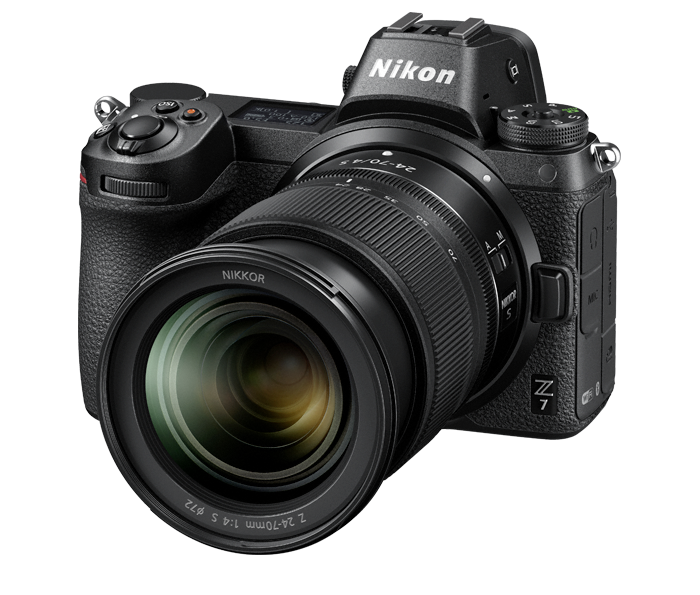
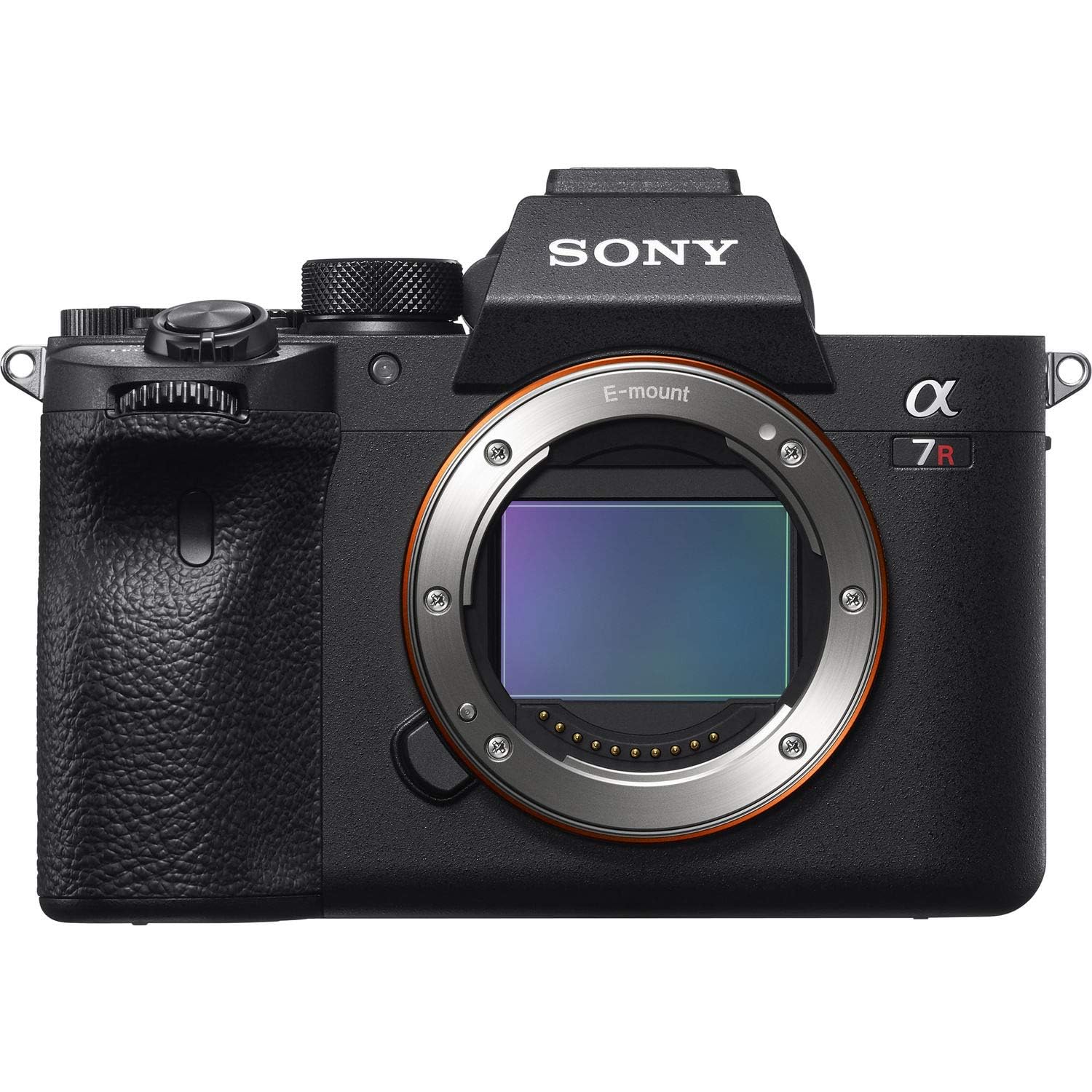
The Nikon Z7 and Sony A7R IV are two of the most sought-after full-frame mirrorless cameras available, catering to photographers who prioritize high resolution and image quality. Both models offer impressive specifications and capabilities, making them popular choices among professional photographers, serious enthusiasts, and videographers. Buyers often find themselves choosing between these two cameras due to their similar target markets and features, which leads to a thorough comparison of image quality, autofocus, video performance, build quality, and overall value for money. The key differentiators lie in their sensor resolution, autofocus systems, and battery life, among other factors.
Specifications Comparison
Detailed Comparison
Image Quality
When it comes to image quality, both the Nikon Z7 and Sony A7R IV provide superb performance, yet they have distinct differences. The Nikon Z7 boasts a 46-megapixel sensor that delivers excellent dynamic range and color accuracy. It tends to perform better in the low ISO range, offering cleaner images with finer details. In contrast, the Sony A7R IV features a 61-megapixel sensor, which enables photographers to capture even more intricate details, making it ideal for large prints and cropping without losing quality. However, the difference in megapixels might not be noticeable in all scenarios, particularly for those shooting at standard resolutions.
In terms of high ISO performance, the Nikon Z7 has a native range of 64-25600 (expandable to 32-102400), while the Sony A7R IV's ISO range is slightly more limited at 100-32000 (expandable to 50-102800). This gives the Z7 an advantage in low-light situations, although the A7R IV does hold a slight edge in overall resolution. Buyers should consider their specific photographic needs when weighing these advantages.
Autofocus System
The autofocus systems in both the Nikon Z7 and Sony A7R IV are highly sophisticated but vary slightly in terms of point coverage and performance. The Nikon Z7 features an autofocus system with 493 focus points; it performs well in most situations and offers reliable tracking for still photography and video alike. However, the 567 autofocus points in the Sony A7R IV provide a wider coverage area, allowing for more precise focus on fast-moving subjects, making this camera more favorable for action and wildlife photography.
Furthermore, the A7R IV benefits from Sony's advanced Real-Time Eye Autofocus technology, which is particularly useful for portrait and wildlife photographers who need to ensure precise focus on the subject's eyes. In comparison, the Z7 lacks this advanced tracking tech but still maintains an effective system that satisfies many users. Thus, for action and fast-paced photography, the A7R IV undoubtedly has the edge.
Video Capabilities
Both cameras excel in videography, offering 4K video recording at 30 frames per second, making them suitable for professional video work. However, subtle differences in ergonomic design and video features set them apart. The A7R IV allows for enhanced video functionalities, including full pixel readout without pixel binning, which results in higher-quality 4K footage. The higher resolution sensor combined with superior processing allows for minimal cropping when capturing video, which is a notable advantage.
On the other hand, the Nikon Z7 offers a flat N-Log profile for easier color grading and better dynamic range in post-production, crucial for videographers needing extensive editing flexibility. Neither camera provides 4K at higher frame rates, which may be a limitation for those looking for slow-motion capabilities. Overall, while both cameras have their merits, the A7R IV's video capabilities offer a bit more flexibility and quality consideration for videographers.
Build & Ergonomics
Both the Nikon Z7 and Sony A7R IV are built to withstand the rigors of professional use, featuring weather-sealing to protect against dust and moisture. The Nikon Z7 weighs 675 grams and has slightly larger dimensions than the A7R IV, which weighs 665 grams and is more compact, measuring 129 x 96 x 78 mm compared to 134 x 101 x 68 mm. For some users, the A7R IV's smaller form factor may be preferred for portability.
Ergonomics also differ; the Z7 features a larger grip that some users find more comfortable for extended shooting sessions. On the contrary, the A7R IV has an updated menu system and additional customizable buttons, allowing users to quickly adjust settings on-the-fly. In terms of connectivity, both cameras include modern ports, but the A7R IV also includes dual card slots for better storage capacity, which is a crucial consideration for professional use.
Battery & Storage
The battery life of each camera is another crucial aspect. The Sony A7R IV boasts a longer battery life, capable of around 670 shots compared to the Nikon Z7's 330 shots per charge. This difference can significantly impact the usability in a day of shooting, particularly for photographers who shoot events or longer sessions without the opportunity to recharge.
Additionally, both models support dual card slots, but the A7R IV provides additional storage flexibility with its dual slots capable of managing UHS-II SD cards. In contrast, the Nikon Z7 has a single XQD slot, which might limit speed and capacity in certain use cases. Overall, the A7R IV offers a better package for long-duration outings or professional needs.
Value for Money
In terms of pricing, the Nikon Z7 is slightly more affordable at $3,399 compared to the Sony A7R IV, which retails for around $3,500. While the $101 difference may seem minimal, it can be a deciding factor for many buyers, especially when considering the overall features, accessories, and lenses specific to each system.
The image quality and resolution of the A7R IV provides considerable value for high-end professional applications, while the Z7 offers fantastic performance at a lower price point. Prospective buyers have to analyze their priorities, whether they value absolute resolution or overall ergonomics and cost-effectiveness. The choice may also depend on how each camera fits into an existing equipment ecosystem with affordable lens options.
Our Verdict
In summary, the Sony A7R IV edges out the Nikon Z7 overall, largely thanks to its superior autofocus system, extended battery life, and robust video capabilities. While the Nikon Z7 is a formidable competitor with its impressive image quality and ergonomic design, it falls slightly short in key areas relevant to shooters needing rapid focus, longer shooting times, and superior detail in their images. However, the Z7's lower price point may appeal to those who want high-quality images without the advanced features and resolution of the A7R IV. Both cameras represent excellent choices, but professionals seeking maximum performance and flexibility will likely find the A7R IV to be the better option.
Nikon Z7
Sony A7R IV
Also Compare
Frequently Asked Questions
Which camera has better low-light performance?
The Nikon Z7 offers better low-light performance at lower ISO settings due to a robust dynamic range and lower noise levels when expanded. However, the Sony A7R IV also performs well when expanded to high ISO settings, making both cameras competent in low-light conditions, but the Z7 has the upper hand overall.
How do the autofocus systems compare?
The Sony A7R IV excels with 567 autofocus points and advanced tracking features, providing better performance for fast-moving subjects compared to the Nikon Z7's 493 points. This makes the A7R IV a preferred choice for action photography.
Is the A7R IV worth the higher price?
For photographers who prioritize maximum resolution, superior autofocus, and extended battery life, the A7R IV justifies its higher price. However, if you are more budget-conscious or prefer a well-rounded camera without the highest megapixels, the Nikon Z7 remains an excellent alternative.
Can you use lenses from older Nikon or Sony cameras?
Both manufacturers provide adapters for older lenses, but compatibility may vary. Nikon's Z-mount lenses can be adapted to fit older F-mount lenses, while Sony's E-mount allows some flexibility with A-mount lenses through an adapter. It's advisable to check compatibility before purchase.
Which camera is better for video production?
The Sony A7R IV has a slight edge over the Nikon Z7 for video production due to its advanced features, including full pixel readout for higher-quality 4K footage and extended battery life, making it a preferred choice for serious videographers.