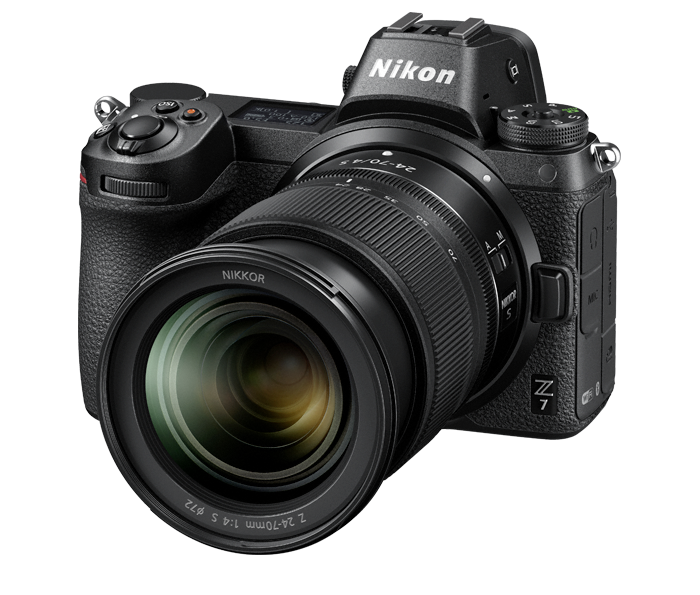
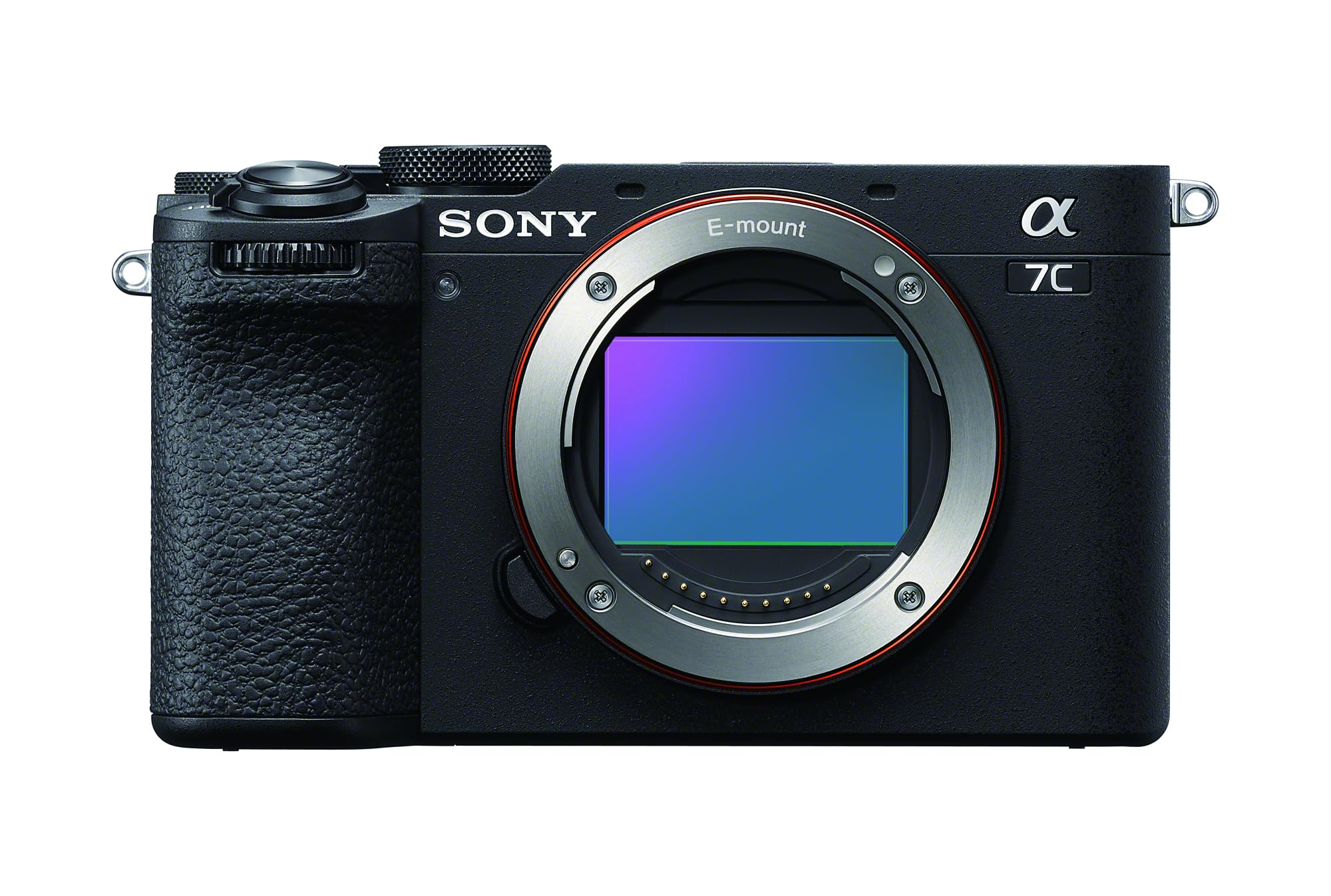
The Nikon Z7 and Sony A7C II are two standout full-frame mirrorless cameras that cater to a variety of photographers, from enthusiasts to professional users. Both cameras offer a powerful combination of image quality, advanced autofocus systems, and video performance, making them popular choices among those looking to upgrade their equipment. When comparing these two models, potential buyers might focus on the key differentiators in terms of resolution, autofocus capabilities, and overall value for money, which can influence their decision based on their specific needs and shooting styles.
Specifications Comparison
Detailed Comparison
Image Quality
The Nikon Z7 features a 46-megapixel sensor, which provides exceptional detail and allows for significant cropping without losing image quality. This high resolution is particularly advantageous for landscape, studio, and portrait photographers who prioritize resolution in their work. On the other hand, the Sony A7C II offers a 33-megapixel sensor, still providing high-quality images but not reaching the same level of detail as the Z7. However, the A7C II's sensor performs well in low-light conditions due to its expanded ISO range, allowing for clean images up to ISO 204800. The Z7 has an even wider native ISO range, but its performance in extreme low-light conditions can sometimes trail the A7C II due to its lower resolution sensor. Overall, the Z7 excels in terms of raw image fidelity, while the A7C II has a slight edge in versatility for various lighting situations.
Autofocus System
The Sony A7C II boasts an impressive autofocus system with 759 points, which is significantly more than the 493 points found on the Nikon Z7. This comprehensive coverage allows for faster and more reliable focusing, particularly on fast-moving subjects or in dynamic shooting situations. The A7C II's autofocus technology benefits from Sony's continuous innovation that includes advanced tracking capabilities, making it a fantastic choice for sports and wildlife photographers. In comparison, the Z7's autofocus system, while solid and capable, may lag behind the A7C II in some real-world tracking scenarios. However, the Z7 still offers excellent face and eye detection which many portrait and event photographers will find adequate for their needs.
Video Capabilities
When it comes to video performance, the Sony A7C II takes the lead with its ability to shoot 4K at 60p, offering smoother motion capture which is crucial for videographers. This feature is complemented by advanced video codecs and color profiles that enhance the overall video output quality. In contrast, the Nikon Z7 is limited to 4K at 30p, which may be sufficient for many users, but lacks the versatility of the A7C II for high-frame-rate requirements. Additionally, the Z7's video features are more basic compared to the extensive video capabilities of the A7C II, making it less suitable for users focused on video production. Consequently, if video performance is a priority, the choice is clear.
Build & Ergonomics
The Nikon Z7 has a more robust and larger body compared to the A7C II, weighing 675 grams against the A7C II's 514 grams. This makes the Z7 feel more substantial and may be preferable for photographers who enjoy a more solid grip and feel. Additionally, the Z7 features slightly better weather sealing, enhancing its resilience in challenging shooting conditions. The A7C II, however, offers a compact design that is much easier to carry around, making it an excellent choice for travel and street photography. The controls and layout on both cameras are user-friendly, but the Z7 may have the edge in terms of build quality and handling for extended use.
Battery & Storage
In terms of battery life, the Sony A7C II significantly outperforms the Nikon Z7, offering approximately 540 shots on a single charge versus the Z7's 330 shots. This advantage can be crucial for photographers who require longer shooting sessions without frequent battery changes. Furthermore, both cameras support similar types of memory cards, using SD UHS-II slots, ensuring that high-speed continuous shooting and video recording can be handled efficiently. Overall, the A7C II stands out for its superior battery life, making it a more convenient option for photographers needing longevity in the field.
Value for Money
At a price point of $2200, the Sony A7C II offers solid features and capabilities, particularly for those interested in video and autofocus performance. Its combination of a compact form factor, exceptional battery life, and advanced tracking makes it an appealing option for a broader range of users without stretching their budget excessively. In contrast, the Nikon Z7, priced at $3399, targets enthusiasts and professionals in need of higher image resolution and potentially better build quality. While the Z7's price reflects its premium features, the A7C II arguably presents a better value proposition for those who find themselves prioritizing affordability while still achieving high-quality results.
Our Verdict
Based on the comparison across diverse areas, the Sony A7C II emerges as the overall winner, especially for those looking for a versatile all-rounder that excels in video capabilities, autofocus performance, and all-day battery life. Its compact design appeals to travel photographers, while its feature set satisfies videographers. Meanwhile, the Nikon Z7 still holds significant advantages in image quality and build quality, making it a compelling choice for photographers who prioritize resolution and durability over video performance. Ultimately, the decision comes down to specific needs: users investing heavily in photography may find the Z7's resolution worthwhile, while those seeking a more balanced approach for both photo and video should lean towards the A7C II.
Nikon Z7
Sony A7C II
Also Compare
Frequently Asked Questions
Which camera is better for photography?
The Nikon Z7 offers a higher resolution sensor, making it ideal for photographers needing detailed images, especially in landscape and studio settings. The Z7 excels in image quality, but the A7C II's autofocus system provides advantages in active photography scenarios.
Is the Sony A7C II suitable for videography?
Yes, the A7C II supports 4K video at 60p, making it an excellent choice for videographers. It features advanced video settings and enhanced autofocus tracking that benefit dynamic scenes.
How do the battery lives compare?
The Sony A7C II significantly outperforms the Nikon Z7 with a battery life of around 540 shots compared to the Z7's 330 shots, making it a better choice for prolonged shooting sessions.
Which camera has better build quality?
The Nikon Z7 typically offers a more robust build and slightly superior weather sealing, making it well-suited for challenging shooting conditions. However, both cameras are weather-sealed.
What are the main differences in autofocus capabilities?
The Sony A7C II has 759 autofocus points, providing superior tracking and coverage than the Nikon Z7's 493 points. This makes the A7C II better for fast-moving subjects and real-time action shooting.