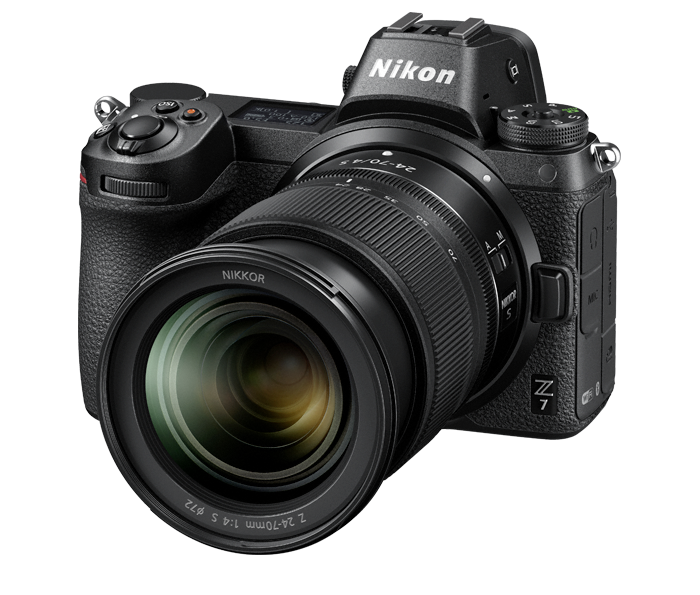
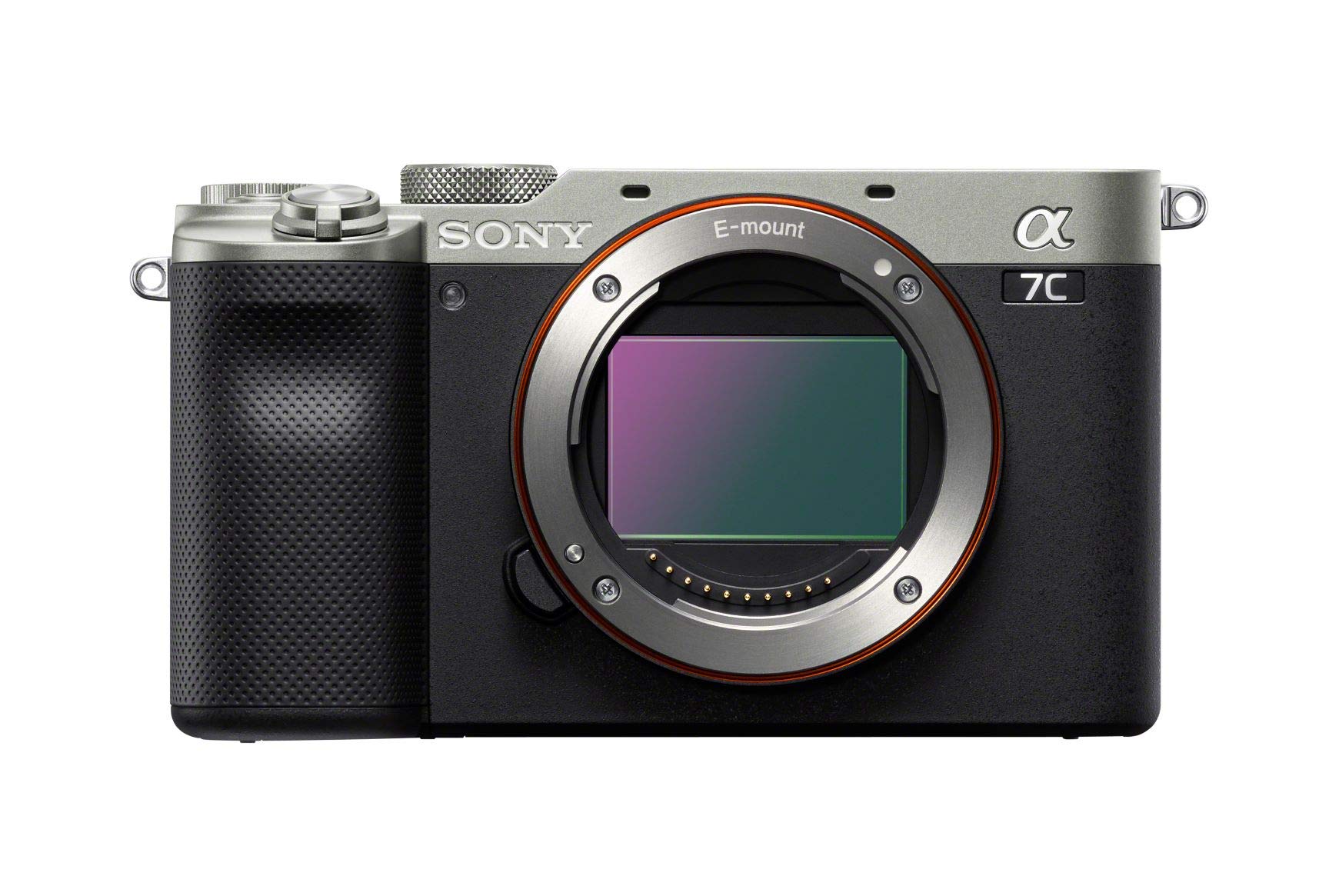
The Nikon Z7 and Sony A7C are both prominent contenders in the full-frame mirrorless camera market, often attracting attention from both enthusiasts and professionals alike. They are particularly appealing to photographers who require high-quality images while enjoying the compactness that mirrorless systems offer. Those choosing between these two cameras often do so based on specific needs such as resolution, frame rate, autofocus capabilities, and ergonomics. The Z7 is known for its high-resolution sensor, while the A7C is favored for its portable design and effective autofocus system, making each an excellent option depending on the user's priorities.
Specifications Comparison
Detailed Comparison
Image Quality
The Nikon Z7 boasts an impressive 46-megapixel full-frame sensor, delivering outstanding image quality with incredible detail and dynamic range. This high resolution allows for extensive cropping options and superb performance in large print formats. The Z7 has a native ISO range of 64-25,600 which can be expanded to 32-102,400, providing flexibility in challenging lighting conditions.
In contrast, the Sony A7C offers a 24-megapixel full-frame sensor, which, while lower in resolution, still produces high-quality images suitable for most use cases. It has an ISO range of 100-51,200, expandable to 50-204,800, allowing for remarkable low-light performance. However, the lower megapixel count may limit cropping possibilities compared to the Z7.
Ultimately, while both cameras produce excellent images, the Z7's higher resolution presents a clear advantage for professionals requiring maximum detail and image quality. The A7C's output remains competitive, particularly for general photography purposes, but falls short on the resolution front.
Autofocus System
The autofocus capabilities of the Nikon Z7 are quite sophisticated, featuring 493 focus points that provide accurate tracking and fast acquisition in various scenarios. The camera's hybrid autofocus system performs well under different lighting conditions and offers good subject detection.
Conversely, the Sony A7C sports a superior autofocus system with 693 phase-detection points, which contributes to its reputation for exceptionally fast and reliable focusing performance. The A7C also boasts real-time tracking and eye autofocus for both humans and animals, enhancing its usability in dynamic shooting environments.
Given these capabilities, the A7C's autofocus system is generally regarded as superior for action, portrait, and wildlife photography. Although the Z7 is competent in this domain, the A7C's handling of fast-moving subjects earns it the win in this category.
Video Capabilities
Both the Nikon Z7 and Sony A7C are capable of recording in 4K at up to 30 frames per second, catering to videographers looking for quality footage. The Z7 emphasizes superior image quality, but both cameras lack 4K options at higher frame rates, limiting slow-motion opportunities.
However, the A7C presents some advantages, particularly regarding its user-friendly video features like excellent autofocus during video recording and support for advanced profiles, such as S-Log3 and HLG, providing filmmakers more latitude in post-production.
Despite the Z7's high image resolution for stills, the A7C's video capabilities, especially for those looking to record dynamic scenes or require extensive color grading, make it a better choice for video-oriented users.
Build & Ergonomics
In terms of build quality, both the Nikon Z7 and Sony A7C are weather-sealed, ensuring that they can withstand various environmental conditions. The Z7's larger body provides a substantial grip which many users find comfortable, especially during long shooting sessions. Its dimensions (134 x 101 x 68 mm) and heavier weight (675 g) may be preferable for users who favor a more robust feel.
On the other hand, the Sony A7C is designed with portability in mind, measuring 124 x 71 x 60 mm and weighing just 509 g. Its compact design makes it an excellent option for travel photographers or casual users. However, this smaller form factor may lead to a less ergonomic grip, especially when using larger lenses.
In this aspect, the preference between the two cameras will often depend on the user's shooting style and comfort preferences. While the Z7 may be beneficial for studio work or long shoots, the A7C excels in portability.
Battery & Storage
The Nikon Z7 features a battery life rated for about 330 shots, which many photographers will find limiting for extended sessions without a recharge. It can use XQD or CFexpress cards, providing fast data transfer speeds necessary for high-resolution image capture, especially useful when shooting in RAW format.
In contrast, the A7C significantly improves in battery longevity, rated at approximately 740 shots per charge. It also uses SD cards, which are widely available and may be more cost-effective compared to the XQD/CFexpress format. This makes the A7C a more practical option for long days of shooting without worrying about changing batteries frequently.
Given these features, the A7C takes the lead due to superior battery life and flexibility in storage options, making it more convenient for users who prioritize extended shooting time.
Value for Money
When it comes to pricing, the Nikon Z7 retails at $3,399, which reflects its high-resolution sensor and advanced features. However, this price point may be steep for casual users or hobbyists who do not require such high-end specifications.
In contrast, the Sony A7C is priced at $1,799, presenting a more accessible option for photographers entering the full-frame market. Despite its lower resolution and smaller sensor size, the features offered, such as advanced autofocus and impressive video functionalities, make it an attractive option for its price.
The A7C's more budget-friendly price allows more photographers to enter the full-frame arena without sacrificing performance in most areas. Consequently, for budget-conscious buyers or those who do not need the highest resolution, the A7C offers superior value.
Our Verdict
Overall, while the Nikon Z7 may hold the advantage in image quality due to its high-resolution sensor, the Sony A7C takes a decisive lead in the autofocus system, portability, battery life, and value for money. For professionals needing the utmost detail in their images, the Z7 remains a solid choice, particularly for studio and landscape photography. Conversely, the A7C is ideal for those seeking a compact camera that marries performance with versatility, making it an excellent option for travel, street photography, and casual use. Ultimately, the A7C presents a more balanced offering across a wider range of applications, making it the overall better choice.
Nikon Z7
Sony A7C
Also Compare
Frequently Asked Questions
Which camera is better for low light photography?
Both cameras perform well in low light, but the Z7's higher resolution can offer more detail in correctly exposed images. However, the A7C's expanded ISO range and faster autofocus make it more practical for low light conditions.
Is the Nikon Z7 worth the extra cost?
The additional cost of the Z7 is justified by its superior image quality and resolution. If you are a professional or need large prints, it may be worth it, but for most users, the A7C offers excellent performance at a lower price point.
Can the A7C be used for professional work?
Absolutely! The A7C, with its impressive autofocus capabilities and solid video performance, is suitable for many professional applications, especially in situations where portability is essential.
How do the lenses compare for both systems?
Both systems offer a range of excellent lenses, but Nikon's Z mount is newer and expanding rapidly. Sony, having a larger existing E-mount ecosystem, provides more lens options, especially third-party choices.
What's the primary difference in shooting speed?
The A7C has a slight edge, offering a maximum continuous shooting speed of 10 fps compared to the Z7's 9 fps. This difference is marginal, but it can matter in fast-action scenarios.