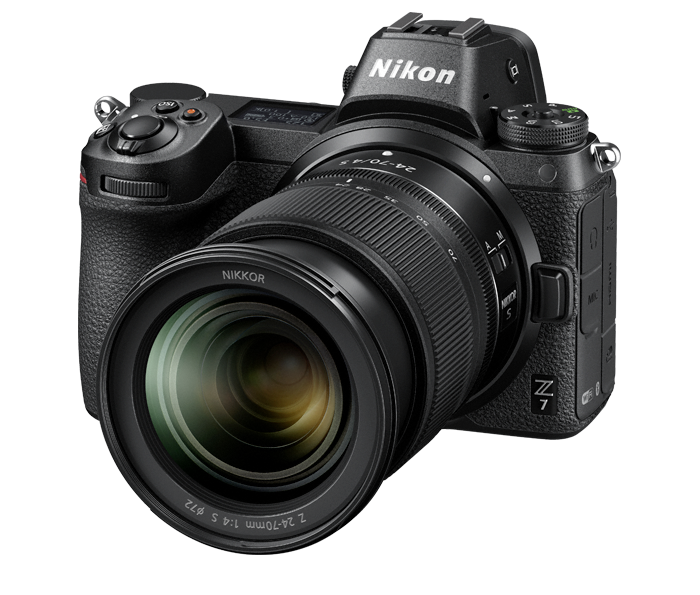
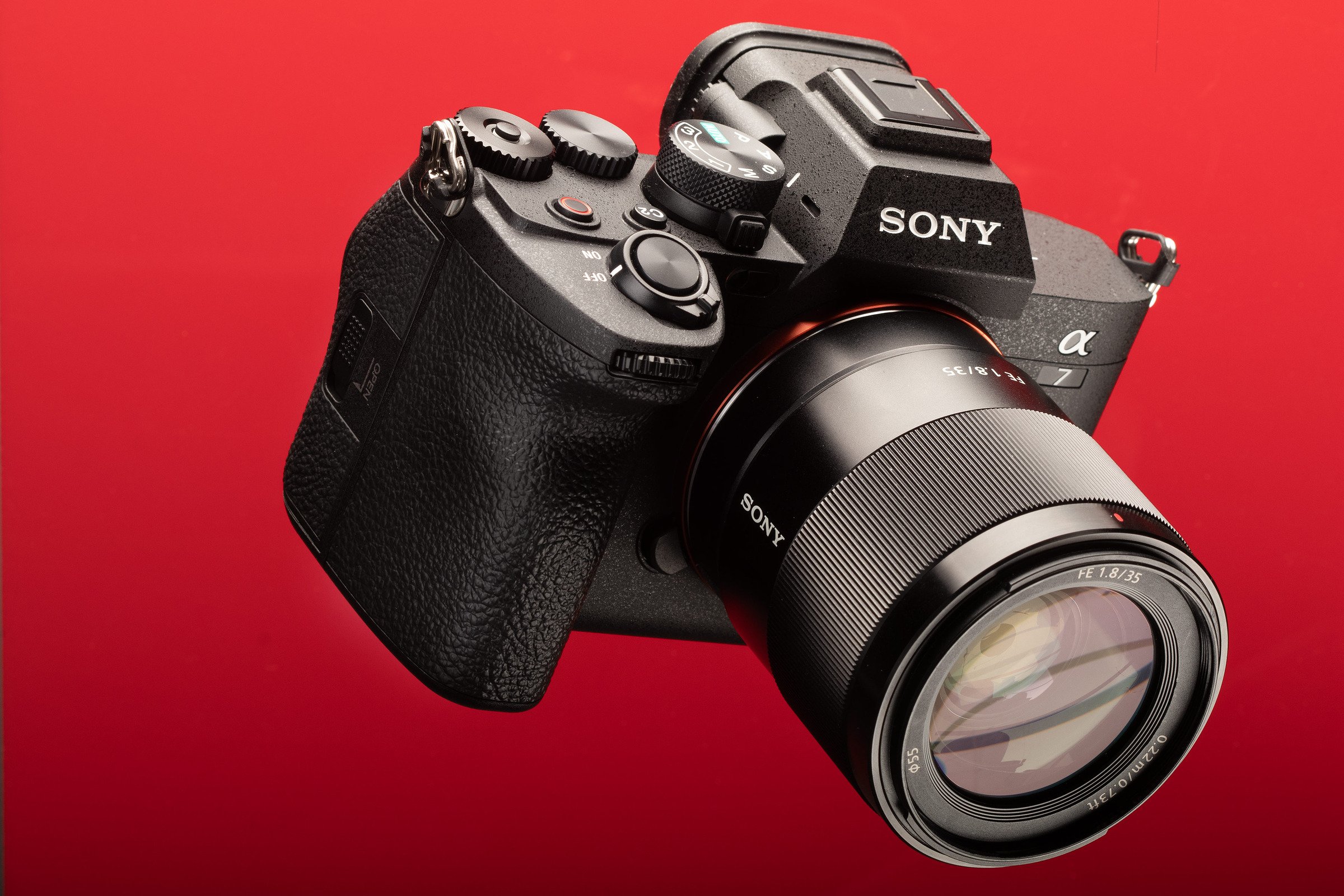
The Nikon Z7 and Sony A7 IV are two highly regarded full-frame mirrorless cameras that cater to both professional photographers and serious enthusiasts. Commonly compared for their robust features, these models represent the cutting-edge technology of their respective brands-Nikon and Sony. Buyers often find themselves choosing between the Z7's higher resolution and the A7 IV's enhanced video capabilities, making them compelling options for different shooting scenarios.
Key differentiators include the Z7's immense 46-megapixel sensor, ideal for high-resolution photography, versus the A7 IV's balanced 33-megapixel output, complemented by a faster 4K 60p video capability. The autofocus systems also stand out: with 493 points in the Z7 compared to 759 points in the A7 IV. Additionally, factors like build quality, battery life, and overall value play crucial roles in guiding potential buyers toward their ideal choice.
Specifications Comparison
Detailed Comparison
Image Quality
The Nikon Z7 boasts an impressive 46-megapixel full-frame sensor, delivering stunning resolution and detail that is beneficial for large prints or cropping capabilities. This high megapixel count translates to finer textures and excellent clarity, especially in controlled lighting conditions. On the other hand, the Sony A7 IV features a 33-megapixel sensor, which is lower in resolution but still offers commendable dynamic range and color accuracy. While it may not reach the same resolution peaks as the Z7, it still delivers outstanding image quality that satisfies most professional needs.
In low-light conditions, both cameras perform well, but the Z7's base ISO starts at 64, allowing for more control over highlight preservation in brightly lit scenarios. Conversely, the A7 IV's ISO performance is robust, particularly from ISO 100-51200, offering expanded options up to ISO 204800, which can be useful in challenging lighting situations.
Overall, while the Nikon Z7 leads in resolution, the Sony A7 IV holds its own with excellent performance across a varied ISO range. The ultimate decision might depend on whether resolution or versatility in ISO performance is prioritized for the intended photography.
Autofocus System
The focus systems in both cameras are advanced; however, the Sony A7 IV's autofocus system outshines the Z7 due to its 759 phase-detection points, which make it superb for tracking fast-moving subjects. This is particularly advantageous for sports or wildlife photography. The Z7, with its 493 autofocus points, provides solid performance but doesn't quite match the precision and speed offered by the A7 IV. Users have reported that the A7 IV excels in continuous autofocus, making it a stronger option for action shots.
Additionally, both cameras provide eye-detection autofocus that works well for portraits, but the A7 IV's system is considered more responsive in various lighting conditions. The ease of switching focus points instantaneously through its touchscreen functionality gives the A7 IV a user-friendly edge. Nikon's autofocus, while highly revered, tends to lag behind the A7 IV in real-world tracking scenarios.
In conclusion, if fast and accurate autofocus is a priority, the Sony A7 IV is the clear winner here, offering more capability in dynamic environments.
Video Capabilities
In terms of video specifications, the Sony A7 IV takes a notable lead with its ability to shoot 4K at 60p, making it a powerful tool for videographers looking for high frame rates and exceptional video quality. It includes advanced features such as 10-bit 4:2:2 recording, which greatly enhances color grading in post-production. The A7 IV has also garnered praise for its video autofocus performance, providing a seamless experience when switching between subjects.
Conversely, the Nikon Z7 can record 4K video only at 30p, which may limit its appeal for video-focused users who wish to capture higher frame rates. While the Z7 offers impressive image quality, particularly in 4K output, it lacks some of the broader video capabilities and frame rate options available on the A7 IV.
Thus, for users primarily interested in video production, the A7 IV is the superior choice, providing more versatility and higher specifications suited for advanced filming techniques.
Build & Ergonomics
Both the Nikon Z7 and Sony A7 IV exhibit solid build quality, featuring weather-sealing that ensures durability in challenging conditions. The Z7's design is slightly bulkier, measuring 134 x 101 x 68 mm and weighing 675g, providing a robust feel when held. The ergonomics are often praised for a comfortable grip, which can be beneficial during longer shooting sessions.
In contrast, the A7 IV, at 131 x 96 x 80 mm and 659g, is slightly smaller and lighter, making it more portable for travel. Its tilt LCD screen is designed to be versatile for vlogging and creative angles, adding an extra layer of convenience. Users have noted that the A7 IV's layout for accessing video settings is quite intuitive, suited for fast adjustments during shoots.
Both models cater to the needs of photographers but may appeal to different preferences regarding size and handling. The Z7's sturdy construction makes it more suited for more rigorous environments, while the A7 IV's lighter build provides a practical advantage for portability.
Battery & Storage
Battery life is an essential consideration for photographers, and the Sony A7 IV has a notable advantage with its capability of capturing approximately 580 shots on a single charge, outpacing the Nikon Z7's 330 shots. This longer battery life can be particularly crucial for events or outdoor shoots where charging opportunities are limited.
In terms of storage, both cameras utilize similar formats, but the A7 IV supports fast CFexpress Type A cards, allowing for rapid write speeds especially critical for high-resolution video or burst shooting. The Z7 relies on SD card storage, which may not offer the same level of performance though it is still compatible with UHS-II SD cards.
Overall, the more efficient performance of the A7 IV's battery life and storage capabilities can be a deciding factor for users who plan long sessions away from power sources.
Value for Money
When evaluating value, the Nikon Z7 is priced at around $3399, which may be steep given its older technology from 2018, despite its excellent image quality. This price point is more justifiable for those needing high-resolution still photography but may seem excessive for users who prioritize video or have less demanding photographic needs.
In contrast, the Sony A7 IV priced at approximately $2499 offers a more modern set of features, catering well to both photographers and videographers alike. It provides a better balance of quality and functionality at a lower price, particularly given its strengths in video and autofocus that are appealing to a broader audience.
In the realm of overall value, the A7 IV allows for more diverse use-cases at an attractive price, making it a smarter investment for most buyers looking for versatility and contemporary features.
Our Verdict
Overall, the Sony A7 IV emerges as the winner in this comparison, offering a well-rounded performance that appeals to a wider audience, particularly those interested in both photography and videography. Its advanced autofocus, superior video capabilities, and longer battery life solidify its position as a more versatile and practical option. However, the Nikon Z7 is still an exceptional camera for users prioritizing high-resolution still photography and may be the ideal choice for landscape, portrait, or studio photographers requiring the utmost detail in their images. Each camera has its strengths, and the ultimate choice should align with individual photography needs and shooting styles.
Nikon Z7
Sony A7 IV
Also Compare
Frequently Asked Questions
Which camera is better for photography?
For photographers who prioritize image resolution, the Nikon Z7 offers a higher megapixel count, making it better suited for detailed stills. However, the A7 IV's excellent autofocus and overall features make it a strong contender for various photography styles.
How do the battery lives compare?
The A7 IV outlasts the Z7 considerably, with around 580 shots compared to the Z7's 330, making it more efficient for extended shoots.
Are both cameras weather-sealed?
Yes, both the Nikon Z7 and Sony A7 IV feature weather-sealed bodies, ensuring durability in varied shooting conditions.
Which camera has better autofocus?
The Sony A7 IV boasts a more advanced autofocus system with 759 points, making it superior for tracking fast-moving subjects compared to the Z7's 493 points.
Which camera offers better value?
The Sony A7 IV provides a better value-for-money ratio, offering modern features and performance at a lower price than the Nikon Z7.