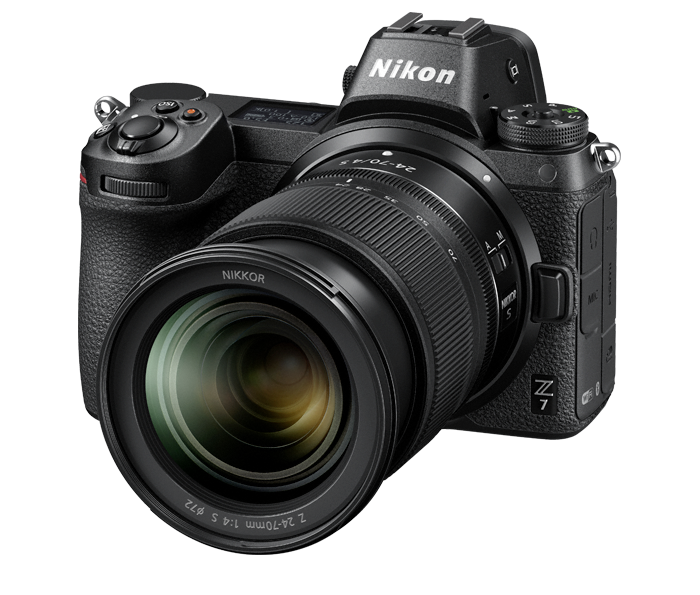
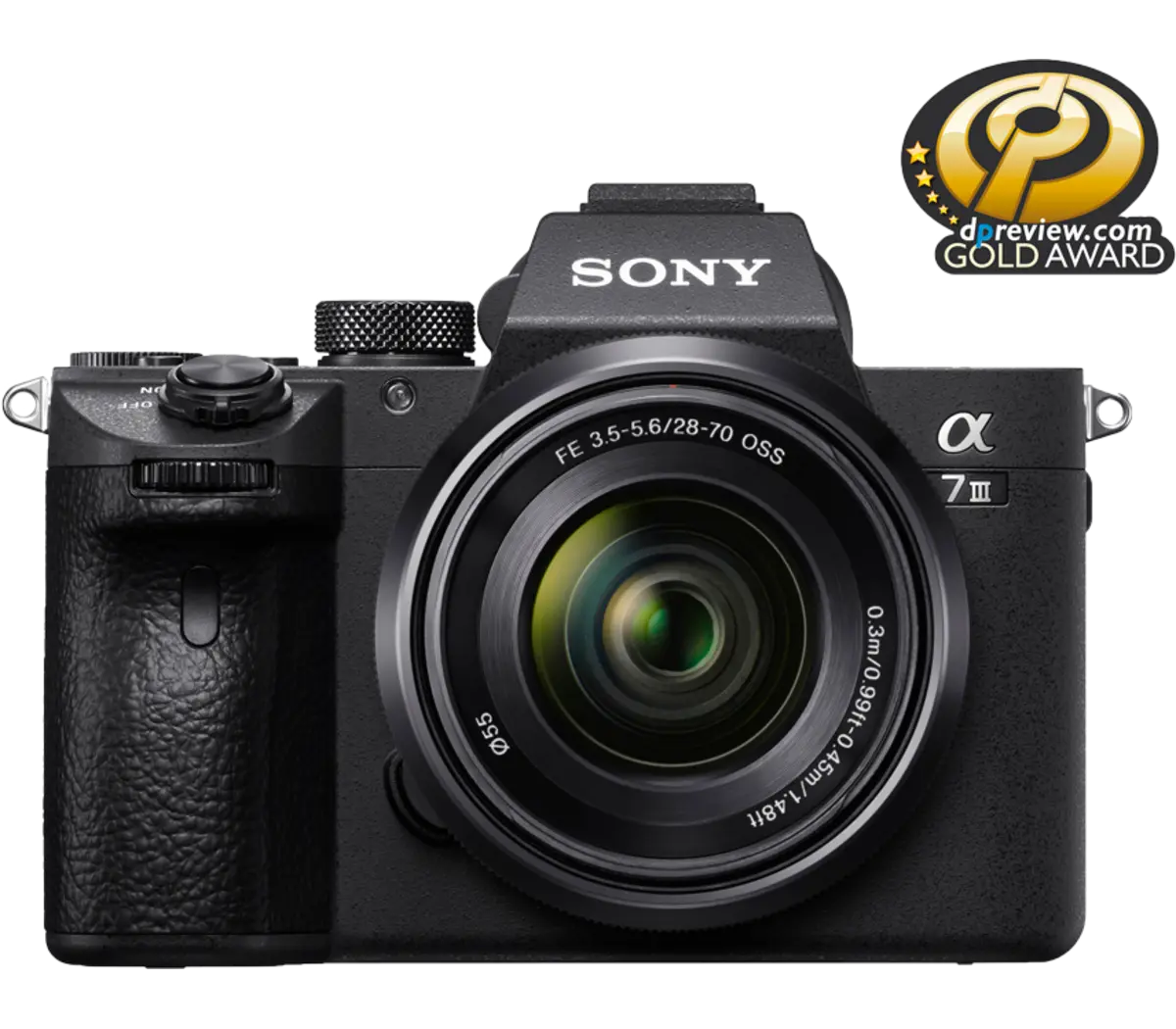
The Nikon Z7 and Sony A7 III are two highly regarded full-frame mirrorless cameras that attract photographers from various backgrounds, ranging from enthusiasts to professionals. As both were released in 2018, they have matured into solid choices in the mirrorless segment, standing out with their respective strengths in image quality, autofocus, and build quality. Choosing between these models often boils down to specific photographic needs, such as desired resolution, autofocus capabilities, and usability in various conditions. In this comparison, we will explore how each camera performs across multiple critical aspects to guide potential buyers in making an informed decision.
Specifications Comparison
Detailed Comparison
Image Quality
The Nikon Z7 boasts a significant advantage in megapixel count, offering a resolution of 46 megapixels compared to the Sony A7 III's 24 megapixels. This higher resolution translates into enhanced detail, allowing for larger prints and more cropping flexibility in post-processing. Additionally, the Z7's broader ISO range, extending from 32-102400, gives photographers more versatility in low-light conditions. However, the Sony A7 III holds its ground with its impressive dynamic range and color accuracy, which many users find suitable for a variety of shooting environments.
Image quality involves not just resolution but also performance at high ISO settings. The Z7 performs well, but with its expanded ISO range, users can find the A7 III offers cleaner images up to about ISO 12800, providing a slight edge in low-light scenarios. Consequently, while the Nikon Z7 excels in detail capture due to its higher resolution, the Sony A7 III presents a more balanced performance regarding high ISO handling and overall versatility.
In conclusion, the Z7's high resolution is undoubtedly appealing for certain applications like landscape and studio work, yet the A7 III's commendable low-light performance and dynamic range should not be overlooked.
Autofocus System
When it comes to autofocus systems, the Sony A7 III leads with an impressive 693 autofocus points compared to the Nikon Z7's 493 points. This abundance of phase-detection points allows the A7 III to achieve faster and more reliable focus locking, especially for moving subjects, making it a strong contender for sports and wildlife photography. Additionally, both models feature eye autofocus, but Sony's implementation has been widely acknowledged as more effective across different scenarios.
While the Z7's autofocus is still competent and performs well in daylight and contrast-rich environments, it may struggle a bit in low-light conditions compared to the A7 III. The A7 III's superior tracking abilities significantly enhance its usability for action photography, while the Z7 can pull ahead slightly in static subject scenarios where high resolution is taken into account as well.
Given these considerations, the A7 III clearly demonstrates advantages in autofocus versatility and performance, especially when fast or erratic subjects are involved.
Video Capabilities
Both the Nikon Z7 and Sony A7 III offer robust 4K video capabilities, but there are notable distinctions that may sway videographers. The Z7 can record in 4K at 30p with excellent detail due to its high resolution, yet it has a slight crop factor that may limit ultra-wide shots. The A7 III, on the other hand, also records 4K at 30p but features full pixel readout without pixel binning, providing a superior image quality that many videographers appreciate.
Additionally, the A7 III supports a broader range of video formats and bit rates, which is a significant plus for professionals looking to capture high-quality footage. Both cameras feature in-body image stabilization, enhancing handheld shooting; however, user feedback often favors Sony's stabilization system for video as offering slightly better performance in dynamic environments.
In summary, while both cameras provide excellent video performance, the A7 III's video features and flexibility in post-production resources give it the upper hand in this comparison.
Build & Ergonomics
Both cameras are weather-sealed, making them suitable for rough shooting conditions. However, the differences in dimensions and weight may influence a user's decision. The Nikon Z7 measures 134 x 101 x 68 mm and weighs 675g, slightly bulkier than the Sony A7 III at 127 x 96 x 74 mm and 650g. For those concerned about portability, the A7 III offers a compact advantage.
When it comes to ergonomics, both cameras have well-placed controls. However, many users report that the Z7's grip, overall handling, and control layout feel ergonomically optimized for shooting, especially during long sessions. Additionally, the Z7's larger screen at 3.2 inches and higher resolution at 2.1 million dots enhances usability during composing shots.
However, the smaller size of the A7 III makes it a very capable option for travel photographers seeking lightweight equipment. The difference ultimately boils down to personal preference in handling and usability.
Battery & Storage
Battery life is a crucial aspect for photographers and videographers. The Sony A7 III shines in this department, boasting approximately 710 shots per charge, significantly outpacing the Nikon Z7's battery life of around 330 shots. This aspect alone can make a considerable difference for users, especially those engaged in full-day shoots or remote locations.
Additionally, both cameras support dual card slots, which is a major advantage for professional users looking to back up their footage or separate stills from video files. While the Z7 utilizes the more efficient XQD format, the A7 III offers SD UHS-II compatibility, making it more accessible for many users.
Overall, in the battery and storage category, the A7 III takes the lead with its extended battery life, making it the better choice for long shooting days or video recording.
Value for Money
Pricing is always a critical factor, and here the Sony A7 III significantly earns points, with a retail price of $2000 compared to the Nikon Z7's price tag of $3399. For many photographers, the A7 III's price-to-performance ratio represents excellent value, offering high-quality features suitable for a wide variety of shooting scenarios without breaking the bank.
Despite the Z7's higher price, its excellent image quality, superior resolution, and robust build might justify the costs for professionals who require these specific features. This targeted user base would benefit immensely from the Z7's capabilities.
However, for enthusiasts and hobbyists, the A7 III provides an impressive feature set that meets and often exceeds their needs at a more accessible price point, presenting an excellent value proposition for everyday use.
Our Verdict
In this overall evaluation, the Sony A7 III emerges as the winner based on its comprehensive balance of features, price-to-performance ratio, and advantageous autofocus and video capabilities. While the Nikon Z7 excels with its unparalleled image resolution, it is primarily suited for photographers who place a premium on detail and specific shooting conditions. Ultimately, the choice will depend on a user's photographic needs: for those who prioritize high-resolution images, the Z7 is a worthy investment, while the A7 III serves as a versatile and economical option ideal for diverse shooting environments.
Nikon Z7
Sony A7 III
Also Compare
Frequently Asked Questions
Which camera is better for low-light photography?
The Sony A7 III generally performs better in low-light situations due to its superior handling of high ISO settings, offering cleaner images and faster autofocus in dim conditions.
What camera is recommended for video work?
The Sony A7 III is highly recommended for video work due to its full pixel readout in 4K video, broader recording options, and better overall performance in various video formats.
Is the Nikon Z7 worth the extra cost?
The Nikon Z7 may be worth the extra cost for professionals needing high resolution and detail in their images, especially for landscape and studio photography.
Which camera has better autofocus performance?
The Sony A7 III offers significantly better autofocus performance with more autofocus points and faster focusing capabilities, particularly useful for action photography.
How does battery life compare between the two cameras?
The Sony A7 III has a much longer battery life, providing around 710 shots per charge, compared to the Nikon Z7's 330 shots, making the A7 III more suitable for long shooting sessions.