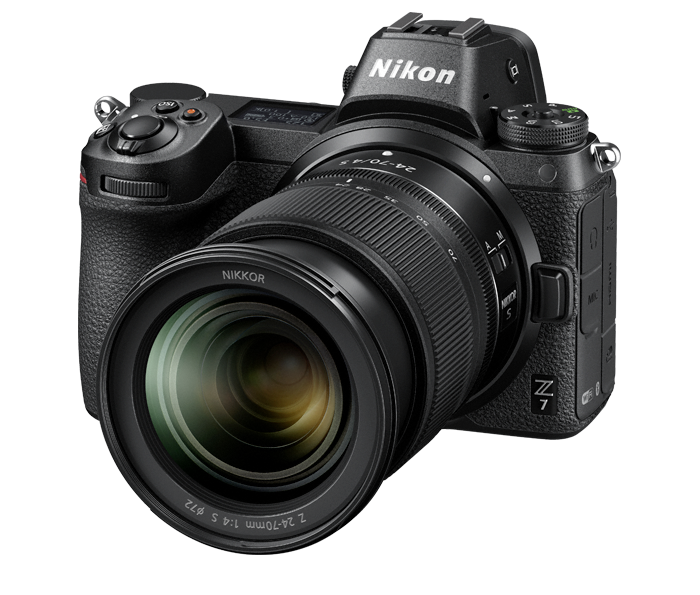
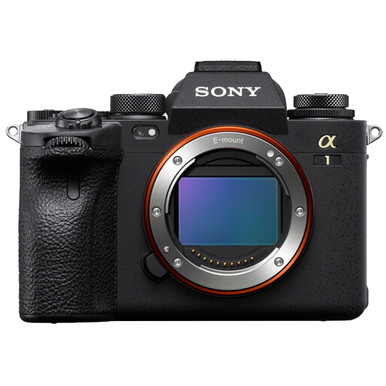
The Nikon Z7 and Sony A1 are two of the most advanced full-frame mirrorless cameras available, often compared by professional and high-end amateur photographers alike. Both cameras have made significant strides in image quality, autofocus capabilities, and advanced video functions, making them appealing choices for various photographic needs. Choosing between them often comes down to personal preferences, specific use cases, and budget considerations, as they cater to slightly different audiences despite their overlapping feature sets. The key differentiators lie in sensor performance, video recording features, battery life, and overall system compatibility, which can sway a buyer one way or another.
Specifications Comparison
Detailed Comparison
Image Quality
The Nikon Z7 features a 46-megapixel sensor that allows for incredibly detailed images, particularly beneficial for landscape and portrait photographers who require high resolution. The native ISO range of 64-25600 (expandable to 32-102400) provides flexibility in various lighting conditions while maintaining good image quality, especially in low-light scenarios. In contrast, the Sony A1 boasts a higher 50-megapixel resolution, offering the potential for even finer details in images. Its ISO range is slightly different, with a base of 100 and a maximum of 50-102400, which generally performs better in high ISO settings. Both cameras exhibit excellent dynamic range, but the A1 edges out slightly due to its newer architecture. Given these factors, the image quality, while exceptional on both, showcases greater capabilities in the A1 under challenging conditions.
Autofocus System
The autofocus system is a crucial aspect of both cameras, especially for action and wildlife photographers. The Nikon Z7 features a robust system with 493 autofocus points, providing comprehensive coverage across the frame. However, the Sony A1 takes the lead with 759 autofocus points, allowing for faster and more accurate tracking of moving subjects, particularly when shooting at high frames per second. The A1's Real-Time Eye autofocus system is particularly noteworthy, enabling it to excel in portrait photography by accurately locking onto the subject's eyes. Thus, while both cameras perform admirably, the Sony A1's superior autofocus capabilities make it the clear winner.
Video Capabilities
When it comes to video, the differences between the Nikon Z7 and Sony A1 are significant. The Z7 offers 4K video recording up to 30 frames per second, which, although adequate for many filmmakers and content creators, may pose limitations for those looking to capture high-frame-rate footage. On the other hand, the Sony A1 significantly enhances its video usability by allowing 4K recording up to 120 frames per second, enabling smooth slow-motion effects that are increasingly sought after in video production. As such, the A1 not only provides higher resolution but also far superior video functionalities, making it the preferred choice for videographers.
Build & Ergonomics
Both cameras are designed with professional users in mind and feature weather-sealed bodies, ensuring durability in challenging shooting environments. The Nikon Z7 is slightly bulkier with dimensions of 134 x 101 x 68 mm, weighing 675 grams, which some may find offers a better grip during extended shooting sessions. The Sony A1, while slightly lighter at 737 grams and more compact at 129 x 97 x 81 mm, may feel less substantial in hand. Additionally, the Nikon's LCD screen is larger at 3.2 inches with a higher resolution of 2,100,000 dots compared to the A1's 3-inch, 1,440,000 dots, providing clearer and more detailed image playback. However, the overall ergonomic feel may vary dramatically based on personal preference. Therefore, the comparison here leans towards a tie, as both have their strengths in build quality and handling.
Battery & Storage
Battery life is another essential factor, particularly for event and travel photographers. The Nikon Z7 offers around 330 shots per charge, while the Sony A1's battery life can last up to 530 shots, making it more suitable for long shoots without frequent battery changes. In terms of storage, both cameras support dual card slots for flexible storage options; however, the Z7 supports CFexpress Type B and XQD cards while the A1 also supports CFexpress Type A, with faster write speeds that can be particularly helpful during continuous shooting. This aspect gives the A1 a slight advantage for users who prioritize extended shooting sessions and quick data transfer.
Value for Money
When evaluating value, the price point plays a crucial role. The Nikon Z7 is priced at approximately $3,399, offering a high-performance camera at a more accessible price, especially for users who prioritize still photography. However, the Sony A1, priced around $6,500, represents a significant investment but includes advanced specifications that cater to high-end professionals looking for the best in class. For many users, the Z7 may represent a better price-to-performance ratio, particularly if they do not need the advanced features of the A1. Ultimately, the A1 may be considered valuable for those who truly require its enhanced capabilities, but the Z7 stands out as a more budget-friendly option for serious photographers.
Our Verdict
In conclusion, while both the Nikon Z7 and Sony A1 are outstanding cameras suitable for professional use, the Sony A1 emerges as the overall winner due to its superior image resolution, advanced autofocus system, and enhanced video capabilities. These features make it particularly appealing to high-end users and professionals who specialize in fast-paced action or video work. However, for photographers primarily focused on still imagery who seek high resolution at a lower price point, the Nikon Z7 remains a compelling alternative with its excellent image quality and robust build, making it a wise choice for those who prioritize both performance and value.
Nikon Z7
Sony A1
Also Compare
Frequently Asked Questions
Which camera is better for landscape photography?
While both cameras excel in image quality, the Nikon Z7's 46-megapixel sensor is particularly beneficial for landscape photography, providing extensive detail and dynamic range.
Is the Sony A1 worth the extra cost?
If you require the latest technology, higher frame rates in video, and superior autofocus capabilities, the Sony A1 is worth the investment for professional applications.
How does low-light performance compare?
Both cameras handle low-light situations well; however, the A1 may perform a bit better at high ISO settings due to its architectural advancements.
What are the key differences in battery life?
The Nikon Z7 offers approximately 330 shots per charge, whereas the Sony A1 provides around 530 shots, making the A1 better for extended shooting.
Can I use my Nikon lenses on the Z7?
The Z7 uses the Nikon Z mount; therefore, you will need Z-mount lenses or appropriate adapters for F-mount lenses.