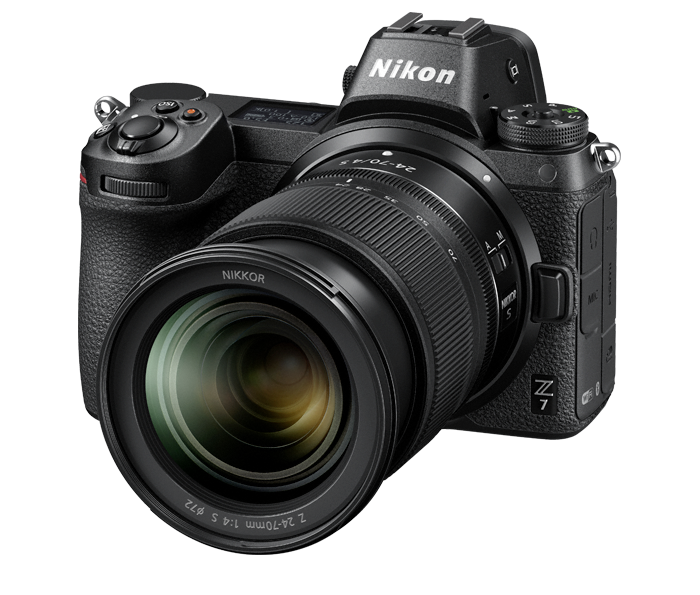
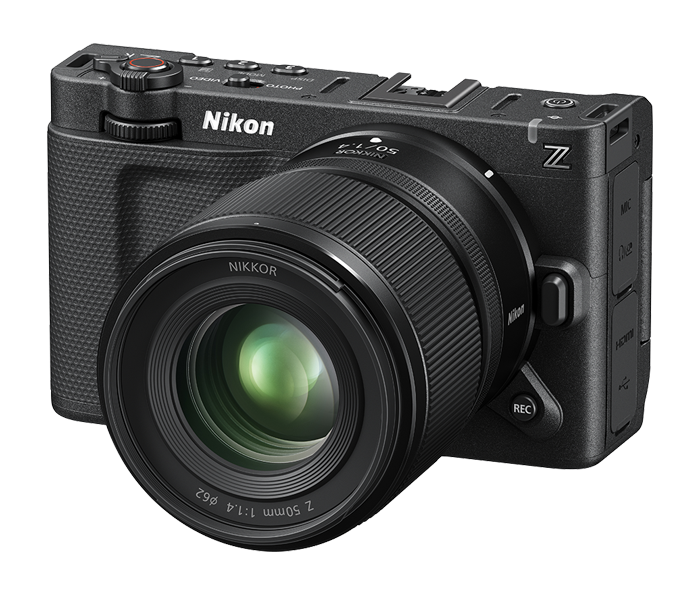
The Nikon Z7 and Nikon ZR are two powerful full-frame mirrorless cameras from Nikon, appealing to photographers and videographers with different needs and preferences. While the Z7 is celebrated for its high resolution and robust build, the ZR introduces more advanced technology with faster performance and improved video capabilities at a lower price point. Buyers often find themselves deciding between these two models, especially those looking for a blend of superior image detail and modern adaptability in a single package. The key differentiators include resolution, autofocus systems, video specifications, and overall ergonomics, which profoundly influence the choice based on genre of photography and style of shooting.
Specifications Comparison
Detailed Comparison
Image Quality
The Nikon Z7 boasts an impressive 46-megapixel sensor, delivering unparalleled detail, making it ideal for landscape and studio photographers who require large prints or extensive cropping capability. With its ISO range extending from 64 to 25600 (and expandable to 102400), the Z7 excels in low-light environments, producing cleaner images with less noise compared to many competitors. Meanwhile, the ZR, with a lower resolution of 25 megapixels, still produces high-quality images with a native ISO range of 100 to 64000, focusing on versatility rather than sheer detail. Although it may not match the Z7 in resolution, it's designed for stunning results in various lighting conditions.
Both models feature full-frame sensors, ensuring similar overall image characteristics, but the Z7's higher megapixel count tends to give it an edge in applications where resolution is paramount. Photographers looking for maximum detail and dynamic range might find the Z7 more suitable, while those prioritizing a balance between resolution and performance may find the ZR adequate for their needs.
Autofocus System
The autofocus system is a critical aspect of any mirrorless camera, and here the Z7 features 493 autofocus points, which provides superior coverage and accuracy for tracking subjects in motion. This system shines particularly in situations like wildlife and sports photography, where fast and precise focusing is crucial. In contrast, the ZR offers 273 autofocus points, which, while competent for general photography, may struggle in more demanding shooting scenarios.
However, the ZR's autofocus is designed to be faster, with a maximum continuous shooting speed of 20 frames per second compared to the Z7's 9 fps. This rapid burst shooting capability can make the ZR more appealing for action photography. Despite having fewer points, the autofocusing speed and performance under dynamic conditions could lead some photographers to prefer the ZR, particularly if they shoot fast-moving subjects more often.
Video Capabilities
For videographers, the Nikon ZR has a clear advantage with its support for higher framerates, offering 4K at 60p, which provides smoother motion capture, particularly for fast-moving scenes. The Z7, on the other hand, is limited to 4K at 30p. This difference can be significant for creators producing content that involves dynamic action or wants to achieve a more cinematic look with higher framerates.
Additionally, the ZR features more advanced video features, including enhanced frame-rate options in 4K resolutions, allowing users more flexibility in video production. Although both cameras come with excellent stabilization systems (5 stops for Z7 and 7.5 stops for ZR), the ZR's video capabilities are tailored to suit modern videography's demands, confirming its place as a capable video camera.
Build & Ergonomics
When it comes to build quality, both the Z7 and ZR are weather-sealed, ensuring durability in challenging conditions. However, the Z7's larger body, weighing 675g, provides a more robust grip for extended shooting sessions, appealing to enthusiasts and professionals alike. The increased weight may feel cumbersome to some, yet it gives the impression of a solid, reliable tool.
Conversely, the ZR is lighter at 630g and more compact with a slimmer profile (133 x 81 x 49 mm compared to Z7's 134 x 101 x 68 mm). This makes the ZR easier to carry for long periods, which is enticing for travel or street photographers. The larger 4-inch screen with higher resolution (3,070,000 dots vs. 2,100,000 dots) allows for better image reviewing and easier shooting in bright conditions. Overall, while both cameras offer excellent ergonomics, personal preference regarding size and weight will influence the choice significantly.
Battery & Storage
In terms of battery performance, the Nikon Z7 has a life of approximately 330 shots per charge, which is respectable for a full-frame mirrorless camera. However, the ZR, being a newer model, might benefit from advancements in battery efficiency, although specific battery life details are not provided. Both models house dual card slots, allowing for flexible storage options, especially useful when shooting high-resolution images or lengthy video clips.
While both cameras offer similar capacities with dual card slots, the actual longevity and performance of the batteries can vary under different shooting conditions. Prospective users should evaluate how each camera's battery life impacts their intended workflow, especially for extensive shooting sessions, to ensure they choose the model that aligns with their practical needs.
Value for Money
The Nikon Z7 is priced at $3399, reflecting its high-resolution sensor and quality build. This investment is justified for those demanding the utmost in image quality, particularly in professional settings or for specialized pursuits. However, the ZR, at $2200, provides an impressive mix of modern features, including rapid autofocus, enhanced video options, and portability, making it a compelling option for both enthusiasts and professionals who may prioritize versatility over resolution and are seeking best-value alternatives.
While the Z7 claims the high ground in image quality, the ZR's lower price point allows more flexibility for purchasing additional lenses or accessories. Therefore, buyers focused on budget considerations may view the ZR as the better investment, particularly if they prioritize a balance of features over ultimate image resolution.
Our Verdict
In the overall comparison between the Nikon Z7 and ZR, the ZR emerges as the winner due to its superior autofocus system, better video capabilities, and exceptional value for money. While the Z7 takes the edge in image quality, it is primarily designed for scenarios where maximum resolution is essential. For prospective buyers who appreciate versatility and ease of use in video and fast action, the ZR's modern feature set provides a more balanced offering at a more accessible price point. Ultimately, the decision will hinge on specific needs, but for most users, the Nikon ZR presents a compelling case as a versatile, high-performance choice.
Nikon Z7
Nikon ZR
Also Compare
Frequently Asked Questions
Which camera is better for landscape photography?
The Nikon Z7 is generally better for landscape photography due to its higher resolution, allowing for greater detail and larger prints.
Is the Nikon ZR better for fast-paced action photography?
Yes, the Nikon ZR excels in fast-paced action photography with its faster autofocus system and higher continuous shooting speed.
Which camera is more suitable for video creation?
The Nikon ZR is more suitable for video creation as it supports 4K at 60p, while the Z7 is limited to 4K at 30p.
Can I use the same lenses on both cameras?
Yes, both cameras utilize the Nikon Z mount, so you can use the same lenses on both the Z7 and ZR.
How do the battery lives compare?
The Z7 has a battery life of around 330 shots. While battery life specifics for the ZR aren't detailed, newer models often have better efficiency.