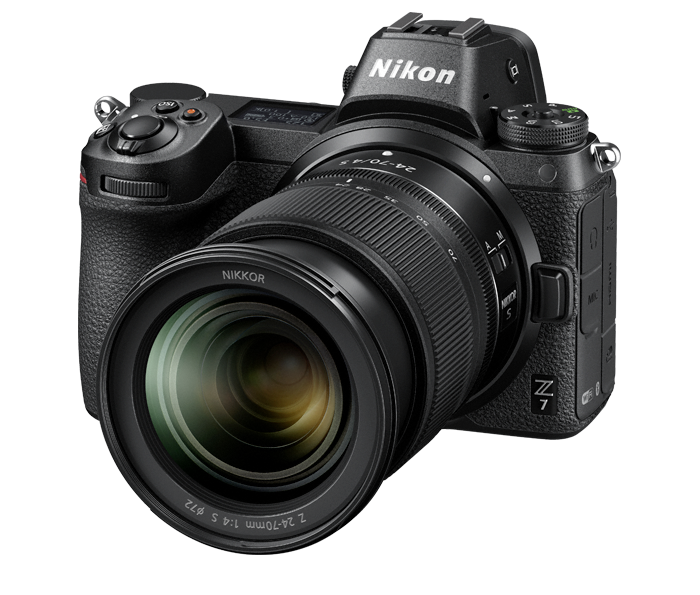
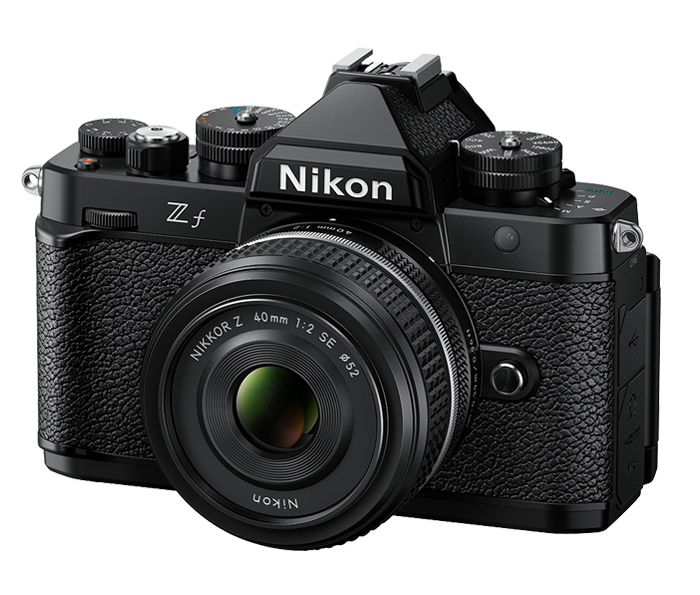
The Nikon Z7 and Nikon Zf are two notable cameras in Nikon's full-frame mirrorless lineup, often compared by enthusiasts and professionals alike. The Z7, released in 2018, is recognized for its high-resolution sensor, making it a solid choice for landscape and studio photography. On the other hand, the Zf, launched in 2023, features more modern specifications catered to versatile shooting scenarios, including a higher frame rate and improved video capabilities. Buyers often wrestle between choosing the established capabilities of the Z7 versus the innovative features of the Zf.
Specifications Comparison
Detailed Comparison
Image Quality
The Nikon Z7 boasts a 46-megapixel sensor that excels in capturing high-resolution images with exceptional detail, ideal for print and detailed cropping. Its full-frame sensor produces stunning image quality even at high ISOs, with an ISO range of 64-25600 (expandable to 32-102400), making it effective in low-light situations. In contrast, the Zf features a 25-megapixel sensor, which, while still delivering good image qualities, falls short in detail resolution compared to the Z7. The top ISO setting on the Zf is similarly rated, but with fewer megapixels, the overall image performance in demanding conditions may not match that of the Z7. Overall, for photographers prioritizing resolution and detail, the Z7 takes the lead.
Autofocus System
Nikon's Z7 is equipped with 493 autofocus points, which offers comprehensive coverage and excellent tracking for still subjects and portraits. This extensive point array makes it highly effective for achieving precise focus. The Zf improves upon this with a total of 273 AF points, which while fewer in quantity, incorporate modern tracking features that might be better for capturing fast-moving subjects like wildlife or sports. The Zf's autofocus system is designed with advancements that could provide faster and more reliable focusing performance under dynamic conditions. While each model has its strengths based on user needs, the comprehensive autofocus system of the Z7 gives it the edge, particularly in more static photography scenarios.
Video Capabilities
Video shooting has become increasingly important for many photographers, and in this regard, the Zf offers a considerable advantage. It supports 4K video recording at 60 frames per second (fps), allowing for smoother motion capture and greater flexibility in post-production. In comparison, the Z7 is limited to 4K video at 30fps, which might not satisfy all videographers' demands for higher frame rates in fast-paced situations. The stabilization system in the Zf also features an 8-stop rating, compared to the Z7's 5-stop, resulting in better handheld video performance. Given these specifications, the Zf clearly positions itself as the better choice for videography.
Build & Ergonomics
In terms of build quality, both cameras are constructed with durable materials, featuring weather sealing that enhances their longevity in various environments. The Z7, slightly smaller and lighter at 675 grams, provides a comfortable grip for extended use. Its dimensions are more compact, making it potentially more user-friendly for photographers on the move. The Zf, weighing at 710 grams and being bulkier, may not fit as snugly in the hand; however, it offers a retro design that some users find aesthetically pleasing. Both cameras equipped with a 3.2-inch LCD screen and an electronic viewfinder provide excellent usability. Ultimately, the choice may depend on personal preferences regarding size and heft, but the Z7 provides a more lightweight option.
Battery & Storage
Battery performance is an essential factor for photographers, and the Zf wins marginally in this aspect, offering a battery life of approximately 380 shots against the 330 shots of the Z7. This means that Zf users can expect slightly longer usage between charges, which can be a critical factor during long shooting sessions. Both models utilize the same Nikon Z mount system, ensuring compatibility with a wide range of lenses and accessories. They also share similarities in utilizing XQD or CFexpress cards, providing the necessary speed for high-resolution images and 4K video. While the Zf edges out in battery life, the overall impact of this difference may be negligible for many users.
Value for Money
When considering price, the Zf comes at a significantly lower price point of $1,999 compared to the Z7's $3,399. For those looking for a modern full-frame mirrorless camera with solid performance for both photography and video, the Zf presents an attractive option. It offers a balance of features that cater to a broad audience, especially those who prioritize videography. Nonetheless, the Z7's high resolution and overall photographic loyalty to details may justify its higher price for those whose workflow strictly revolves around high-quality still images. Therefore, it is essential for buyers to consider their specific needs against the price difference. Overall, the Zf leads in the value-for-money category due to its lower entry cost and modern features.
Our Verdict
In conclusion, the Nikon Zf emerges as the overall winner in this comparison, particularly for users seeking a versatile camera for both photography and video, given its modern specs, video capabilities, and competitive pricing. The Z7, while still a formidable contender primarily for high-resolution photography, has been overshadowed in terms of value and versatility. Photographers whose work revolves around capturing intricate details may still favor the Z7, but for those who need a well-rounded and cost-effective camera for varied shooting situations, the Zf is the clear choice.
Nikon Z7
Nikon Zf
Also Compare
Frequently Asked Questions
Which camera has better image quality?
The Nikon Z7 has significantly better image quality thanks to its 46-megapixel sensor, providing more detail and better performance in low-light conditions compared to the Zf's 25-megapixel sensor.
Is the Nikon Zf better for videographers?
Yes, the Nikon Zf offers superior video capabilities with 4K at 60 fps and better stabilization, making it a better choice for videographers looking for smooth footage.
How do the autofocus systems compare?
The Z7 features a more extensive 493-point autofocus system, which can be advantageous in still photography. The Zf, however, incorporates modern enhancements that provide excellent performance, especially in dynamic shooting scenarios.
What is the battery life like for each camera?
The Nikon Zf has a better battery life rating at approximately 380 shots compared to the Z7's 330 shots, providing slightly longer usage time between recharges.
Which camera is better value for money?
The Nikon Zf offers better value for money at a lower price point of $1,999 while delivering a versatile feature set suitable for both photography and videography, compared to the higher-priced Z7.