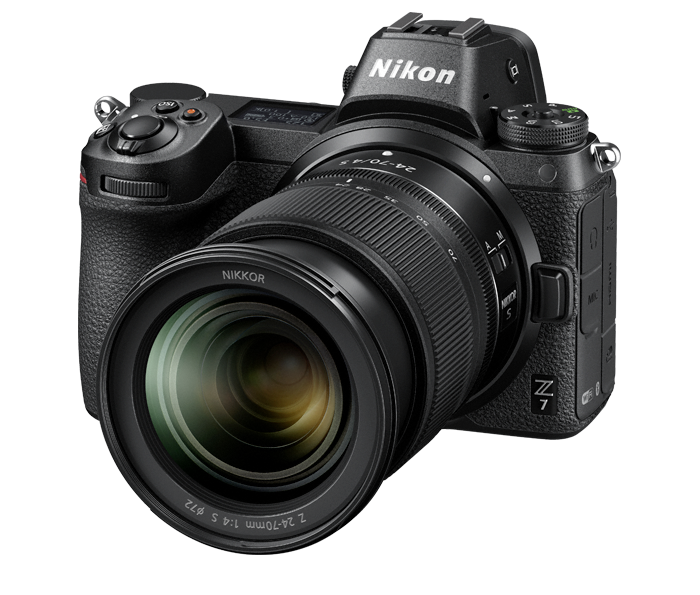
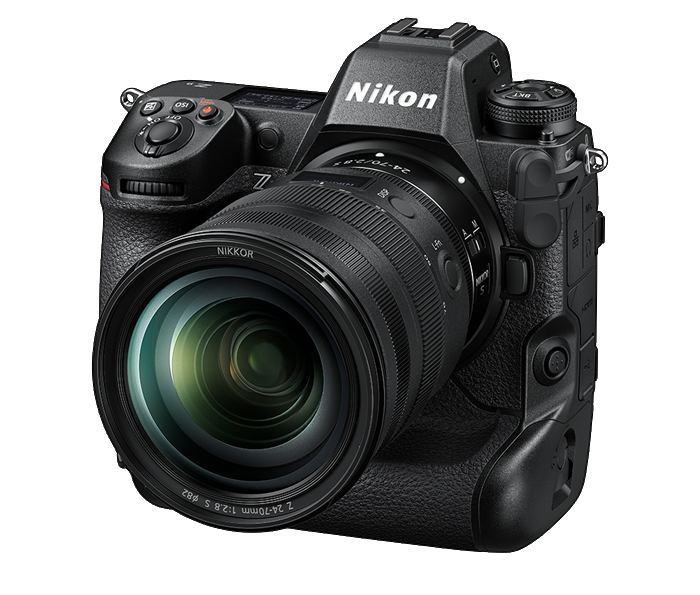
The Nikon Z7 and Z9 are two flagship mirrorless cameras from Nikon, representing different generations of technology and catering to distinct user needs. The Z7, released in 2018, is recognized for its high-resolution performance, making it popular among landscape and studio photographers. On the other hand, the Z9, introduced in 2021, is Nikon's first professional flagship model, boasting enhanced speed, video capabilities, and advanced autofocus that appeal specifically to sports and wildlife photographers as well as videographers. Buyers often find themselves torn between these two models due to their similar megapixel counts and shared Nikon Z mount but differing feature sets that address various photographic styles and needs.
Key differentiators lie in their autofocus systems, video specifications, build quality, and overall price. The Z9 comes with a significant price increase but also offers substantial advancements that make it a powerful choice for professionals who demand superior performance and versatility. The Z7, while slightly older, still holds appeal for enthusiasts and semi-professionals seeking exceptional image quality without the higher cost.
Specifications Comparison
Detailed Comparison
Image Quality
Both the Nikon Z7 and Z9 have a full-frame sensor that offers a high resolution of 46 megapixels, ensuring outstanding image quality in terms of detail and dynamic range. The Z7 is well-regarded for its ability to produce stunning images with minimal noise, even at high ISO settings, making it suitable for low-light photography. Its ISO range from 64 to 25600 (expandable to 102400) allows flexibility across various shooting scenarios.
The Z9, while also presenting similar specifications in terms of megapixels, has received enhancements in color science and image processing. The BIONZ XR processor in the Z9 allows for faster image processing, which can improve performance in burst shooting and high ISO scenarios. The real-world differences in image quality are often subtle but might be noticeable in challenging lighting conditions or when cropping images heavily.
Overall, while both cameras produce excellent images, shooters who prioritize maximum detail and low-light performance might find the Z7 appealing. However, for those who need an edge in dynamic environments or who shoot extensively in varying conditions, the Z9's processing capabilities could tip the balance slightly towards it.
Autofocus System
The autofocus system in both the Z7 and Z9 features 493 autofocus points, offering extensive coverage for tracking subjects across the frame. However, the Z9 introduces several advancements that significantly enhance its performance. The Z9 utilizes a more sophisticated algorithm for subject recognition and tracking, making it particularly adept at capturing fast-moving subjects during sports or wildlife photography.
In practical terms, the Z9's autofocus is dramatically faster and more responsive, with improved eye-tracking capabilities that outperform the Z7 in terms of reliability and accuracy. The Z9 also supports greater continuous shooting speeds of up to 30 fps, providing a stark advantage when photographing action.
Though the Z7 remains competent with its autofocus system for general photography, those who regularly photograph dynamic scenarios will benefit substantially from the Z9's superior performance.
Video Capabilities
When it comes to video capabilities, the differences between the Z7 and Z9 become even more pronounced. The Z7 is limited to 4K video at 30 frames per second, which is suitable for many users but might leave videographers wanting more in terms of frame rates and functionality.
In contrast, the Z9 significantly ramps up the video options, supporting 4K recording at an impressive 120 frames per second, making it an excellent choice for filmmakers and content creators who require high frame rates for slow-motion applications. The Z9 also supports 8K video recording, providing future-proofing for videography and allowing for extensive post-production cropping.
Additionally, the Z9 includes advanced video features, such as N-Log and ProRes RAW recording options, which enhance the quality and versatility for professional projects. Thus, for anyone prioritizing video performance, the Z9 is the clear winner.
Build & Ergonomics
In terms of build quality, both cameras are weather-sealed and designed to withstand rigorous shooting conditions. However, the Z9 has been specifically engineered for professional use, with a more robust body that offers additional durability. It weighs significantly more at 1340 grams compared to the Z7 at 675 grams, which could be an important consideration for those who prioritize portability.
The ergonomics of the cameras also differ: the Z9's larger grip allows for better handling, especially in prolonged shooting sessions and when using larger lenses. The button layout is optimized for professional use, making it easier to access frequently used settings quickly.
While both models feature an electronic viewfinder and a similar 3.2" touchscreen, the Z9 is designed to cater to the needs of serious professionals who may require enhanced comfort and usability during extensive shoots.
Battery & Storage
Battery life is another vital aspect to consider in a professional camera. The Nikon Z9 offers a remarkable battery life of approximately 740 shots while the Z7 provides around 330 shots per charge. This is a significant difference that affects field usability, particularly for wedding photographers or wildlife shooters who may not have frequent opportunities to change or recharge batteries.
Both cameras support dual card slots which allow for extended shooting sessions, but the Z9 accommodates CFexpress cards, enabling faster write speeds for high-resolution video and burst photos. The Z7 uses SD cards, which, while perfectly adequate for its performance, may not match the speed and efficiency of CFexpress for professional applications.
For users heavily reliant on battery endurance and high-speed data storage, the Z9 provides a more robust solution.
Value for Money
When it comes to pricing, the Z7 is considerably more accessible at around $3399, compared to the Z9 at approximately $5500. For photographers seeking high image quality and versatility without breaking the bank, the Z7 presents an attractive option. It remains an excellent choice for enthusiasts and semi-professionals who value imaging over speed and advanced features.
Conversely, the Z9's premium pricing is justified by its cutting-edge technologies, superior autofocus, video capabilities, and build quality tailored for professional environments. For professionals making a living from photography or video, the investment in the Z9 may be worthwhile given the enhanced capabilities it offers.
Ultimately, the choice between value and advanced features hinges on the user's specific needs; casual photographers may find that the Z7 provides more than enough performance for their requirements, while professionals may see the Z9 as a necessary investment.
Our Verdict
Overall, while the Nikon Z7 offers exceptional image quality and is an excellent choice for a broader spectrum of photographers at a more attractive price point, the Z9 distinguishes itself with significant advancements in speed, autofocus performance, and video capabilities. These enhancements solidify the Z9's position as a premier choice among professionals. For casual and enthusiast photographers, the Z7 still excels in delivering high-quality results without the premium investment required for the Z9. The decision ultimately hinges on the specific needs and professional requirements of the user, but the Z9 wins overall for those who prioritize speed, video features, and build quality.
Nikon Z7
Nikon Z9
Also Compare
Frequently Asked Questions
Is the Nikon Z7 suitable for professional photography?
Yes, the Nikon Z7 is suitable for professional photography, especially in genres like landscape, portrait, and studio work, where high resolution and image quality are paramount.
What are the advantages of the Z9 for sports photography?
The Z9 excels in sports photography due to its faster autofocus system, higher burst shooting speed of up to 30 fps, and superior subject tracking abilities, ensuring you capture crucial moments.
Which camera offers better low-light performance?
Both cameras perform well in low-light conditions, but the Z7's lower noise levels at high ISO settings can give it a slight edge, while the Z9 benefits from the latest processing techniques.
Do both cameras support dual card slots?
Yes, both the Nikon Z7 and Z9 support dual card slots, but the Z9 uses CFexpress cards for faster data writing, whereas the Z7 utilizes SD cards.
Is the Nikon Z9 worth the extra cost over the Z7?
For professionals or avid videographers needing higher performance, advanced features, and faster capabilities, the investment in the Z9 is justified. For casual photographers, the Z7 provides exceptional value.