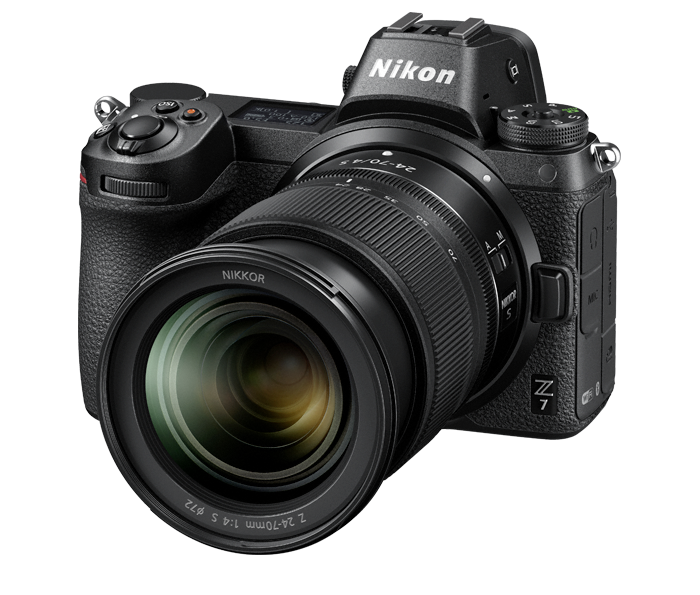
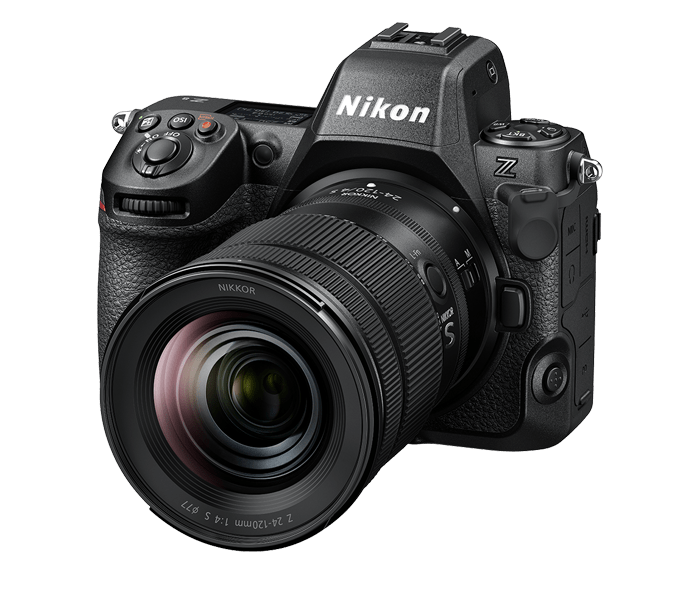
The Nikon Z7 and Nikon Z8 are two distinguished models in Nikon's mirrorless full-frame lineup, aimed primarily at professional photographers and serious enthusiasts. The Z7, released in 2018, set the foundation for Nikon's full-frame mirrorless offerings, while the Z8, launched in 2023, builds on that foundation with advanced technology and improved features. Buyers typically find themselves choosing between these two due to their similar megapixel counts and sensor sizes, yet varied capabilities, particularly in video and burst shooting. The key differentiators primarily revolve around the advancements in video capabilities, autofocus performance, and overall usability enhancements found in the Z8.
Specifications Comparison
Detailed Comparison
Image Quality
Both the Nikon Z7 and Z8 feature a full-frame sensor sized at 35.9 x 23.9 mm, with a staggering 46 megapixels. This results in incredibly detailed images with a wide dynamic range, making both cameras excellent choices for capturing stunning landscapes or intricate portraits. The ISO performance is also remarkable, with the Z7 offering a range of 64 to 25,600 that expands to 32-102,400, similar to the Z8. The difference in image rendering between the two models is negligible, as both can produce high-quality images that stand up to professional scrutiny. However, the Z8 offers slightly improved noise handling at higher ISO levels due to newer processing algorithms, which may appeal to buyers who often shoot in low-light environments. In essence, while both cameras provide exceptional image quality, the enhanced processing of the Z8 gives it a slight edge.
Autofocus System
Both the Z7 and Z8 boast a sophisticated autofocus system with 493 focus points, allowing for precise tracking and subject acquisition. The Z8, however, elevates this feature with deeper advancements in AI-based subject detection, particularly for moving subjects such as wildlife and athletes, making it more effective in demanding shooting scenarios. Furthermore, the Z8 can achieve faster focus acquisition due to improved processing speeds. For photographers who value quick adjustments and reliability during action shots, the Z8 stands out significantly. As a result, while both cameras are equipped with a strong autofocus system, the Z8's improvements position it as the winner in this category.
Video Capabilities
In the realm of video capabilities, the Z8 surpasses the Z7 notably with its capacity to record 4K video at 120p, which opens up opportunities for high frame rate slow-motion footage that the Z7 cannot achieve, limited to 4K at 30p. This makes the Z8 an excellent choice for filmmakers and content creators who demand advanced video features. Additionally, the Z8's enhanced heat management system allows for longer recording times without interruption, a stark contrast to the Z7's limitations under extended recording sessions. Both cameras support 10-bit output and provide excellent color depth, but in terms of raw capabilities, the Z8 is clearly ahead.
Build & Ergonomics
When it comes to build quality, both cameras are robust and weather-sealed, allowing for use in challenging conditions. However, the Z8 has a slightly larger grip and increased weight (910 g vs. 675 g for the Z7), which may provide better handling for some users, especially those using larger lenses. The construction of the Z8 also reflects newer design principles, offering enhanced access to vital controls. Users who prioritize comfort during long shoots may find the Z8's design more suited to their needs. Despite the Z7 being lighter and more compact, users favoring a more substantial grip and overall feel might lean towards the Z8 as the better option.
Battery & Storage
The Z8 offers a slightly longer battery life, rated for 340 shots compared to 330 for the Z7 under CIPA conditions. Both cameras utilize the same battery type, allowing for interchangeability, which is helpful for photographers transitioning from one model to the other. However, in practice, the Z8's higher processing demands due to features like increased burst shooting may lead to quicker power drainage during extensive usage. Storage options are similar, with both supporting CFexpress cards, making quick writing speeds possible. Given that the battery lives are comparable, there's no clear winner in this category, leading to a tie as both perform adequately.
Value for Money
Price-wise, the Z7 is positioned at $3,399, whereas the Z8 is priced at $3,999. Considering the advanced features included in the Z8-such as superior autofocus capabilities, enhanced video functionalities, and improved ergonomics-the Z8 presents a strong case for professionals willing to invest in the latest technology. However, for those who do not require cutting-edge video capabilities or the highest frame rate options for stills, the Z7 remains a highly capable option at a considerable cost saving. Hence, for sheer value against performance for an average user, the Z7 might be perceived as the better investment. Therefore, the comparison is intricate, keeping varying user requirements in mind.
Our Verdict
In summary, while the Nikon Z7 offers great value and solid performance, particularly for still photography, the Nikon Z8 ultimately emerges as the overall winner. Its improved autofocus system, advanced video capabilities, and updated ergonomics make it a more versatile and future-proof camera. For professionals or serious enthusiasts who frequently shoot both stills and video, especially in dynamic environments, the Z8 is worth the investment. Conversely, for photographers primarily focused on high-resolution images without the need for extensive video features, the Z7 remains a commendable choice that still meets demanding standards.