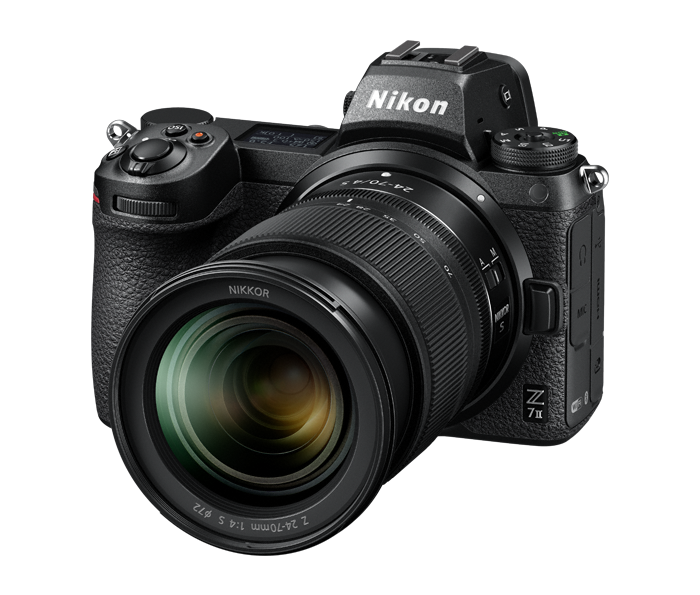
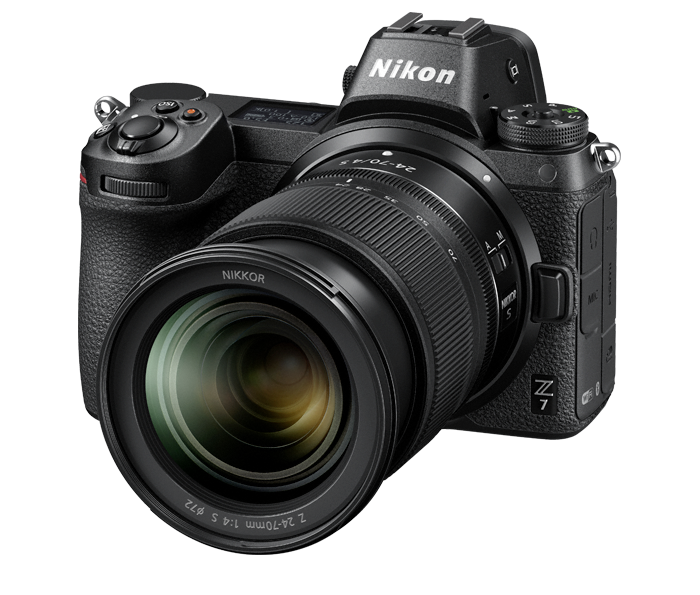
The Nikon Z7 II and Nikon Z7 are two highly regarded full-frame mirrorless cameras from Nikon, appealing to both professional photographers and advanced enthusiasts. Commonly compared, these two models share many core features while also incorporating key differences that may sway potential buyers. Those choosing between them typically look for enhanced performance, particularly in autofocus and video capabilities, along with a solid build quality suitable for various shooting conditions. The Z7 II is the direct successor to the Z7, presenting refinements that cater to evolving photography needs.
Specifications Comparison
Detailed Comparison
Image Quality
Both the Nikon Z7 II and Z7 feature a full-frame sensor with the same 46 megapixels, ensuring outstanding image quality with high detail resolution even in larger prints. The dynamic range and color accuracy are similar, leading photographers to notice little difference in image output under comparable conditions. Both cameras can handle low-light scenarios effectively, thanks to their ISO ranges, which extend to 102400 in both models.
However, the Z7 II introduces improvements in processing power thanks to dual EXPEED 6 processors compared to the single EXPEED 6 in the Z7. This enhancement allows for better noise reduction, particularly at high ISO levels, and can yield slightly more refined images in low-light conditions. Despite these technological advancements, practical usage shows that both models deliver compelling results, making this section a close comparison without definitive advantage.
In terms of color science and JPEG processing, both models are equally capable, with differences often being attributed to personal preference rather than technical superiority. Therefore, photographers more focused on post-processing flexibility might find both models offer similar performance in RAW format, making image quality a strong area for both cameras.
Autofocus System
The autofocus systems in the Z7 II and Z7 are identical in terms of points, with both offering 493 autofocus points and the capability to achieve lock on subjects quickly. However, the Z7 II benefits from enhanced autofocus algorithms, especially for tracking moving subjects, making it superior in dynamic shooting conditions. This improvement is crucial for sports and wildlife photographers seeking reliable subject tracking.
Moreover, the Z7 II includes Eye-AF features for human and animal subjects, which provide added versatility when capturing portraits or wildlife images. These refinements in the Z7 II make it more adept at handling various autofocus scenarios, thus offering a more seamless shooting experience.
While the Z7 performs admirably in autofocus as well, it lacks some of these advanced features that enable greater accuracy. For photographers who frequently shoot fast-moving subjects or require precise tracking abilities, the Z7 II comes out ahead in this aspect.
Video Capabilities
When it comes to video, the Z7 II shows significant advancements over the Z7. The Z7 supports 4K video recording at 30p, while the Z7 II elevates this to 4K at 60p, allowing for smoother playback and more fluid footage, which is essential for videographers aiming for high-quality cinematic results. This improvement is a game-changer for content creators needing higher frame rates without cropping the image.
In addition to the 60p capability, the Z7 II also boasts better overall heat management, allowing for extended recording times without overheating issues -- a common concern for video users. Furthermore, the Z7 II features improved video processing that enhances color grading flexibility in post-production workflows.
In summary, if video performance is a significant factor in the decision-making process, the Z7 II clearly offers more robust features to support modern video requirements, while the Z7 remains competent but can be seen as limited for serious video work.
Build & Ergonomics
Both the Nikon Z7 II and Z7 share a robust, weather-sealed body designed for durability, making them suitable for challenging environments. They have similar dimensions and a comfortable grip that many users appreciate. However, the Z7 II is slightly heavier due to the added components, weighing 705g compared to the Z7's 675g.
Despite the slight weight difference, both cameras are designed with similar button layouts and customizable controls, allowing users of either model to adapt quickly to their respective systems. This ergonomic similarity offers familiarity for those upgrading from the Z7 to the Z7 II.
Ultimately, while the build quality remains high for both models, the added improvements in the Z7 II's internal components contribute to better performance and usability, especially in professional contexts. Therefore, ergonomics and build quality produce a solid comparison without a clear winner as both cater well to user needs.
Battery & Storage
In terms of battery performance, the Nikon Z7 II demonstrates an improvement, offering approximately 420 shots per charge vs. 330 for the Z7. This increase in battery life is particularly important for professionals covering events or shoots where swapping batteries frequently is impractical.
Regarding storage, both models utilize the same Z-mount and support dual card slots, which allow users to employ both CFexpress and SD cards. The dual slots on the Z7 II provide advantages in flexibility for video recording and data management, accommodating higher-speed write times and redundancy options.
Considering these factors, the Z7 II's enhanced battery life and reliable storage options give it a tangible advantage for extended shooting sessions, appealing to active photographers who require dependability.
Value for Money
At their respective price points, the Nikon Z7 II is available for around $2999, while the Z7 typically retails for about $3399. Given the updates and performance enhancements of the Z7 II, it presents better value, especially for those who may frequently utilize video capabilities and improved autofocus features.
However, for photographers whose work relies solely on high-resolution images without extensive video needs, the original Z7 remains a worthy option, still offering stellar image quality and performance.
Ultimately, when examining features against pricing, the Z7 II offers greater long-term value due to its enhancements, making it a smarter investment for those whose work encompasses a variety of shooting requirements, from stills to video.
Our Verdict
Overall, the Nikon Z7 II stands out as the superior model, particularly for users who value advancements in autofocus and video capabilities. Its enhancements, reflected in better performance and reliability in challenging scenarios, make it a top choice for any photographer or videographer aiming for exceptional results. While the Z7 holds its ground in image quality and ergonomics, the added improvements of the Z7 II create a more comprehensive camera system suitable for a wider range of applications. For budget-conscious buyers focusing solely on still photography, the Z7 remains a valuable option, but for those seeking versatility and future-proofing, the Z7 II is the clear winner.
Nikon Z7 II
Nikon Z7
Also Compare
Frequently Asked Questions
Is the Nikon Z7 II worth the upgrade from Z7?
Yes, the Z7 II offers enhancements in autofocus, video resolution, and battery life that provide significant value for both photographers and videographers, making it a worthwhile upgrade.
What are the main differences in video capabilities?
The Z7 II supports 4K video at 60p, while the Z7 is limited to 30p, which is a substantial advantage for videographers looking for smoother frame rates.
Are both cameras suitable for low-light photography?
Yes, both models perform well in low-light conditions thanks to their high-resolution sensors and ISO performance. However, the Z7 II has slight advantages in noise reduction due to its dual processors.
How does the autofocus compare in real-world use?
The Z7 II's autofocus system benefits from faster and more accurate tracking capabilities, particularly in moving subjects, compared to the Z7.
Which camera offers better battery performance?
The Nikon Z7 II has improved battery life, rated for around 420 shots per charge, while the Z7 is rated for 330 shots.