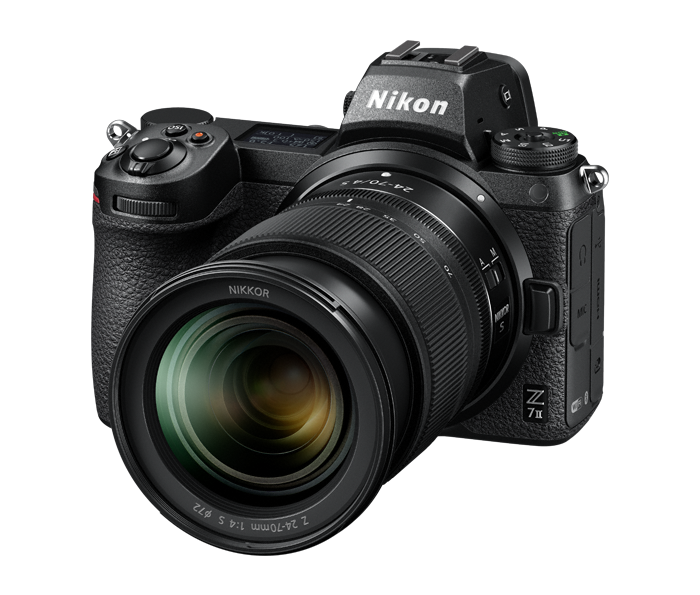
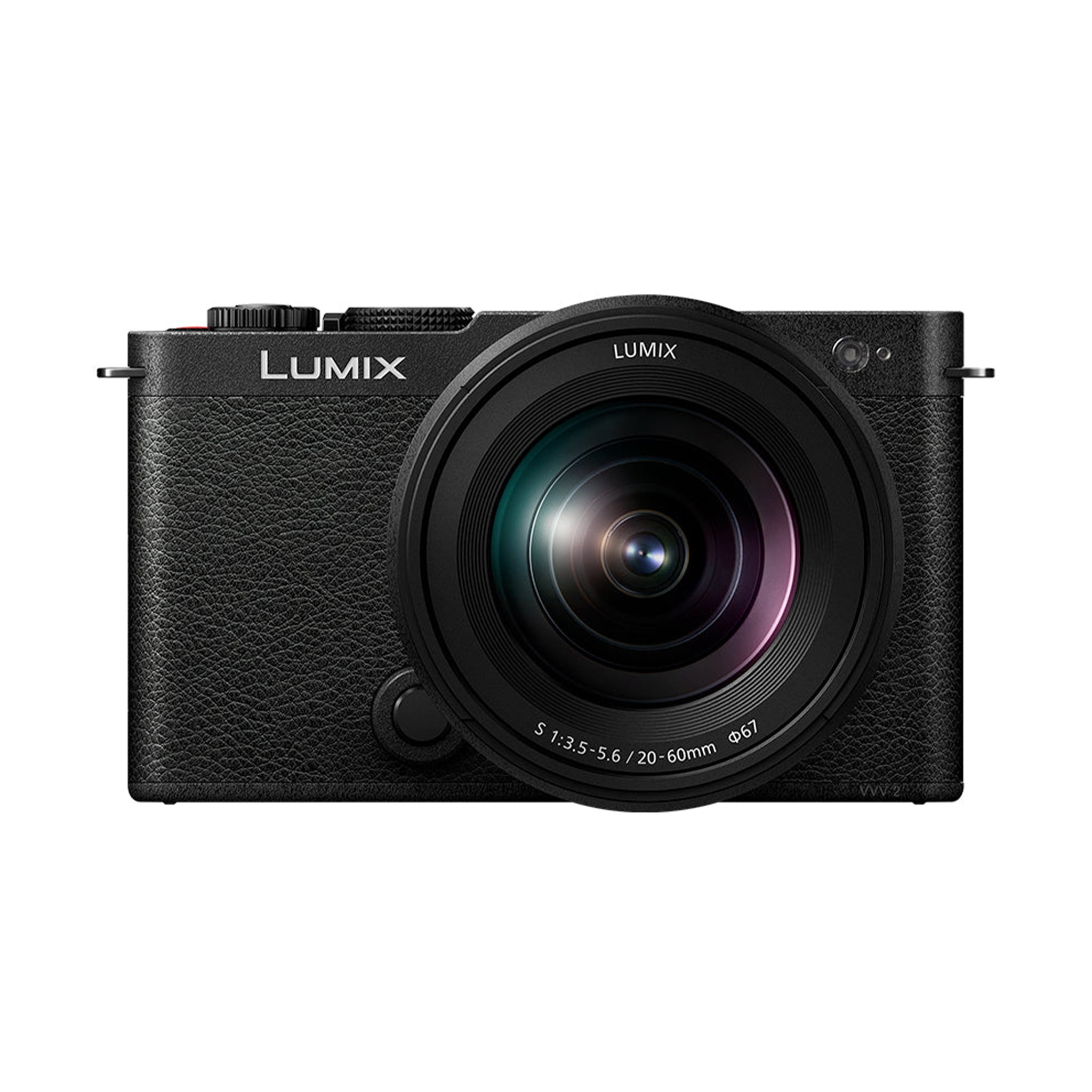
The Nikon Z7 II and the Panasonic S9 are two high-performance full-frame mirrorless cameras that cater to enthusiasts and professionals alike. The former, known for its impressive image quality and robust autofocus system, is a favorite among landscape and portrait photographers. In contrast, the Panasonic S9, with its cutting-edge video capabilities and compact design, appeals to filmmakers and content creators who prioritize versatility and weight considerations in their gear. Both cameras bring unique strengths to the table, making them common contenders in the market for serious buyers seeking a reliable full-frame system.
Specifications Comparison
Detailed Comparison
Image Quality
The Nikon Z7 II boasts a staggering 46 megapixels, giving it an edge in resolution that is essential for detailed landscape photography, large prints, and cropping flexibility. With a full-frame sensor size of 35.9 x 23.9 mm, it captures a wide dynamic range and excellent performance at high ISO settings due to its impressive native sensitivity range of ISO 64-25600, expandable to 102400. This is particularly beneficial for low-light situations.
On the other hand, the Panasonic S9 features a 24-megapixel sensor, which, while lower in resolution, still delivers remarkable quality, especially with its 35mm full-frame size of 35.6 x 23.8 mm. The differences in pixel count may not be noticeable in average photography but can affect high-detail work and stringent cropping requirements.
In practical usage, the Z7 II's higher resolution provides more detail for post-processing, while the S9's sensor is designed for video-centric tasks, focusing more on speed and dynamic range than sheer pixel count. Both cameras utilize excellent glass and capture vivid colors well, but the Z7 II has a distinct advantage in still image integrity and detail retrieval.
Autofocus System
The autofocus system in the Nikon Z7 II is highly sophisticated, featuring 493 autofocus points that cover a wide area of the frame. This wide coverage allows for better subject tracking and face detection, essential for portrait and action photography. The accuracy and speed of the Z7 II's autofocus are commendable, providing reliable performance in various lighting conditions.
In contrast, the Panasonic S9, while equipped with an effective autofocus system, does not reach the same level of sophistication with fewer focus points and a slightly slower response in challenging lighting. Its design, however, is tailored more towards video, where continuous autofocus is optimized for moving subjects in motion, making it suitable for filmmakers.
For photographers focusing on stills, the Z7 II's autofocus gives it a pronounced advantage. Yet, content creators who lean heavily into video might find the S9 sufficient for their needs, albeit with a potential trade-off in still photography performance compared to the Z7 II.
Video Capabilities
The Panasonic S9 excels in video capabilities, offering impressive specifications such as 5.9K video recording alongside options for UHD 4K and DCI 4K. This makes the S9 a popular choice among filmmakers, allowing them to extract high-resolution footage with extensive post-production flexibility. The inclusion of high-quality 1080p recording and various frame rate options further enhances its appeal for video shooters.
Meanwhile, the Nikon Z7 II supports 4K video recording at 60p, which is also commendable, but it lacks the same high-resolution options as the S9. While the Z7 II can deliver sharp and vivid video output, it may not satisfy the most demanding videographers seeking the highest-level features.
In summary, for users primarily focused on video production and versatility in video formats and quality, the Panasonic S9 stands out as the superior choice, whereas the Nikon Z7 II remains a solid option for those who prioritize still photography but still want effective video capabilities.
Build & Ergonomics
The Nikon Z7 II features a solid build quality with weather-sealing that enhances its durability in challenging environments. Its larger dimensions of 134 x 101 x 70 mm and heftier weight at 705g provide a good grip, which can be beneficial for stability during long shooting sessions. The camera is designed for comfort, with intuitive controls that make it easy to operate for extended periods.
Conversely, the Panasonic S9 is notably lighter, weighing just 486g and measures 126x73.9x46.7 mm, which makes it highly portable - an attractive feature for users who travel frequently or require a more compact setup. However, the smaller form factor may result in a less imposing visual presence and slightly less comfortable handling during lengthy shoots.
Both cameras are designed for different user experiences, with the Z7 II being more robust for photographers needing durable gear, while the S9 is geared towards those prioritizing portability and ease of use. Consequently, the choice here depends largely on the user's intended shooting scenarios.
Battery & Storage
Battery life is an essential aspect for camera users, particularly for those who shoot long events without the opportunity for frequent recharging. The Nikon Z7 II holds an advantage here with a battery life of up to 420 shots per charge. This longevity is well-suited for those who often work in the field and need reliability away from power sources.
The Panasonic S9, being a more recent model, may offer improvements in power management, but specific battery life details are less established due to its release year in 2024. Users can still expect decent performance; however, it might not surpass that of the Z7 II.
Considering storage options, both cameras share compatibility with SD cards, but the Nikon Z7 II's ability to handle higher bitrate footage may require more advanced storage solutions. As such, while both systems afford ample storage, the Z7 II provides a more robust solution for those in need of extensive data handling.
Value for Money
When it comes to price, the Nikon Z7 II is positioned at around $2999, reflecting its high-resolution sensor, advanced build, and exceptional performance in still photography. This price point makes it appealing largely to serious photographers who prioritize image quality and performance.
The Panasonic S9, although released later and expected to provide modern features, does not have a specified price yet. However, if it follows trends, it may potentially be priced more competitively due to lower resolution and its focus on video capabilities. Therefore, it is crucial for potential buyers to assess what is more valuable to them: still image quality or video capabilities.
Overall, those looking for outstanding value in a full-frame camera for photography may find the Nikon Z7 II to be the better investment. Conversely, videographers who require excellent video resolution as a primary consideration might find the S9 to potentially offer a better value depending on its final price.
Our Verdict
Overall, the Nikon Z7 II outshines the Panasonic S9 in key areas such as image quality, autofocus performance, and battery life, making it a preferred choice for photographers who need exceptional stills and a robust system. Those heavily focused on video production may be tempted by the S9, given its higher video resolution capabilities, but it falls short in the still photography department. For most users looking to balance both photography and videography, the Nikon Z7 II is likely the better, more versatile investment.