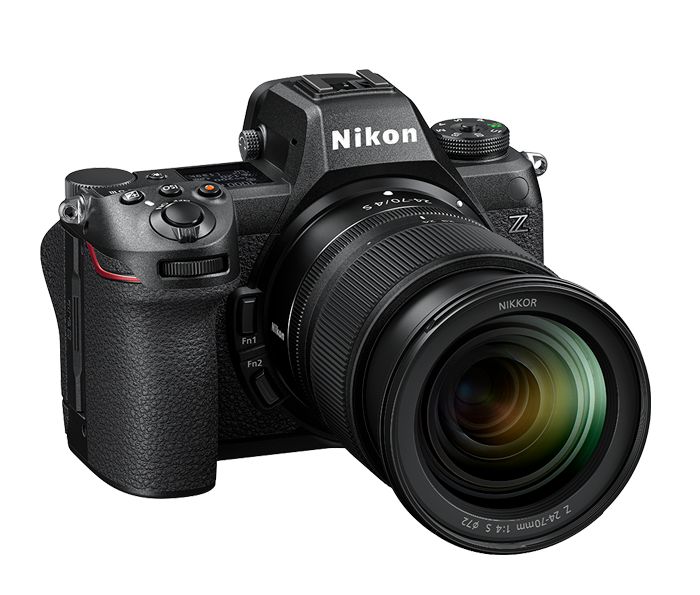

The Nikon Z6III and Sony ZV-E1 are two full-frame mirrorless cameras that cater to different segments of photography and videography enthusiasts. The Z6III is an all-rounder that targets professionals and semi-professionals looking for advanced capabilities in both photography and video. In contrast, the ZV-E1 is tailored for content creators and vloggers with its compact design and specialized features meant for video production and social media sharing. As both cameras fall into a similar price range, buyers often find themselves weighing the significance of features that elevate their specific use cases.
Specifications Comparison
Detailed Comparison
Image Quality
The Nikon Z6III boasts a 25-megapixel full-frame sensor, delivering high-resolution images with excellent detail and low-light performance, thanks to its ISO range of 100-64000. This additional sensor resolution allows for greater cropping flexibility and finer detail reproduction, appealing to photographers who prioritize high-quality still images. The camera's stabilization system provides up to 8 stops of compensation, ensuring that slow shutter speeds can be utilized effectively for clearer shots in varied conditions.
In comparison, the Sony ZV-E1 has a 12-megapixel sensor, which may seem limited in terms of resolution; however, it features an impressive ISO range that expands up to 409600. This can be advantageous for shooting in ultra-low-light conditions, albeit at the cost of overall resolution. The reduced megapixel count may limit fine detail in still images, but the exceptional high-ISO performance could be a decisive factor for low-light and dynamic situations.
While both cameras produce excellent image quality, the Z6III is well-suited for photography-focused users while the ZV-E1 leans more towards video work with its light sensitivity. Therefore, for traditional photography, the Z6III clearly takes the lead.
Autofocus System
Nikon Z6III is equipped with a robust autofocus system featuring 273 focus points, which allow for precise focusing across a wide area of the frame. This system performs well in various lighting conditions and can track moving subjects effectively, making it suitable for action photography.
On the other hand, the Sony ZV-E1 has an impressive 759 autofocus points, surpassing the Z6III in this category. It includes advanced face and eye detection, which is vital for vlogging and portrait photography. The quick and accurate focus transitions offered by Sony's autofocus can enhance a creator's workflow, particularly in fast-paced environments.
Both systems are reliable in their own right, but the ZV-E1's superior autofocus technology, especially for video and face tracking, makes it the better choice for content creators and vloggers.
Video Capabilities
When it comes to video performance, the Nikon Z6III can record up to 4K at 60p, providing excellent image quality and dynamic range for video projects. The Z6III's capabilities are well-rounded, supporting various aspect ratios and frame rate options, making it a versatile option for videographers as well.
Conversely, the Sony ZV-E1 is specifically designed for video with features like a dedicated audio input, a flip-out LCD screen, and enhanced video codecs, making it particularly appealing for vloggers and content creators. With consistent 4K 60p capture and the added bonus of advanced digital audio processing, the ZV-E1 provides a streamlined experience for those focused on video.
Given its tailored video features and user-friendly design for content creators, the ZV-E1 serves as a better functional choice for pure video making, while the Z6III stands strong for photography and versatile filmmakers.
Build & Ergonomics
The Nikon Z6III comes with a more robust and substantial build, weighing 760 grams and offering a larger grip, which many photographers find beneficial for prolonged use. Its weather-sealed construction ensures durability against the elements, making it suitable for outdoor shooting.
In contrast, the Sony ZV-E1's compact size (483 grams) and smaller dimensions cater to a portability advantage, ideal for travel and vlogging. While it's lighter and simpler to carry around, some may find the smaller grip less comfortable for extended use. However, it too offers weather sealing, providing a level of protection.
For those valuing durability and handling, the Z6III likely comes out on top, while the ZV-E1 wins points for portability and ease of use, especially for vloggers who are always on the go.
Battery & Storage
Battery life is another critical factor for users, especially during extended shoots. The Nikon Z6III provides a rated battery life of approximately 380 shots, which can be limited in demanding situations, though users can ascertain slightly longer times in typical usage.
In contrast, the Sony ZV-E1 supports a longer battery life, rated for around 570 shots. This advantage shines through for content creators who often capture long takes without a quick opportunity to recharge. Additionally, both cameras support SD storage, yet the ZV-E1's newer design tends to be more compatible with the latest high-speed cards, beneficial for high-res video.
Thus, in terms of battery longevity and storage flexibility, the ZV-E1 holds the advantage, particularly for those needing extended usability without frequent recharges.
Value for Money
Valued at $2500, the Nikon Z6III represents a considerable investment for enthusiasts seeking professional features and outstanding image quality. Its versatility as both a photo and video camera makes it a valuable piece for those who require a balance of both elements in one device.
On the other hand, the Sony ZV-E1 priced at $2200 offers a competitive edge with specialized features designed primarily for video content creators. Given the incorporated tools and features aimed specifically at filmmakers and vloggers, the ZV-E1 arguably provides better value for those audiences.
While both cameras fall within a similar price segment, the choice hinges greatly on the user's specific needs-those prioritizing stills may find the Z6III to be worth the extra $300, while those focused on video will more readily see the value in the ZV-E1's offerings.
Our Verdict
In evaluating the Nikon Z6III and Sony ZV-E1, both cameras cater to distinct market segments while exhibiting strong performances in their respective domains. The Z6III excels in its imaging capabilities and overall robustness, making it a formidable choice for photographers who also dabble in videography. Meanwhile, the ZV-E1 is purpose-built for content creators, offering superior autofocus and extended battery life that favor the demands of vloggers and video-intensive users. Ultimately, the decision rests on what aspect-photography or videography-a user prioritizes more in their purchase.
Nikon Z6III
Sony ZV-E1
Also Compare
Frequently Asked Questions
Which camera has better low-light performance?
While the ZV-E1 has a higher maximum ISO, the Z6III offers better resolution and dynamic range at lower ISO settings. For clean low-light images, the Z6III is preferable, but the ZV-E1 performs exceptionally well in extreme low-light scenarios.
Is the Nikon Z6III suitable for vlogging?
Yes, the Z6III can be used for vlogging, but it may not be as user-friendly as the ZV-E1, which features dedicated vlogging tools and a flip-out screen designed specifically for that purpose.
Which camera is lighter and more portable?
The Sony ZV-E1 is significantly lighter and more compact than the Nikon Z6III, making it more convenient for travel and on-the-go shooting.
Can both cameras shoot in 4K?
Yes, both cameras are capable of recording in 4K, but the ZV-E1 offers specific features that enhance its video performance, making it more suited for video-centric workflows compared to the Z6III.
What type of users are best suited for each camera?
The Nikon Z6III is well-suited for professional photographers seeking high image quality across various conditions, while the Sony ZV-E1 is ideal for content creators focused on video, particularly for vlogging and social media use.