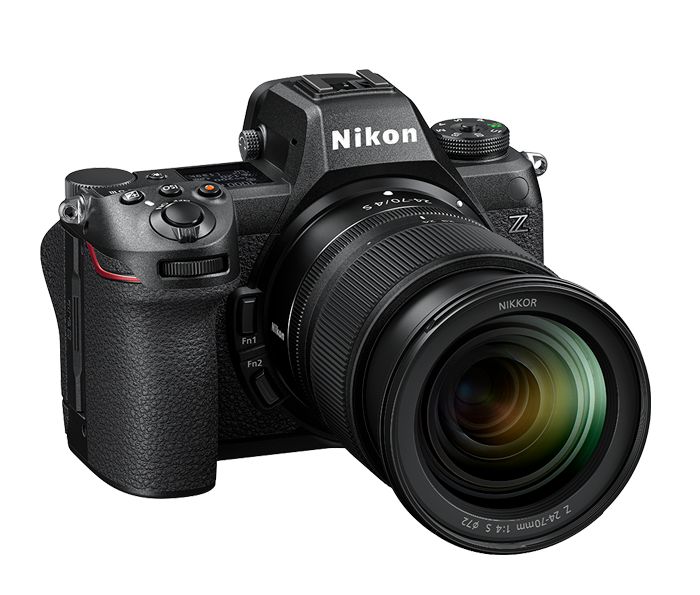
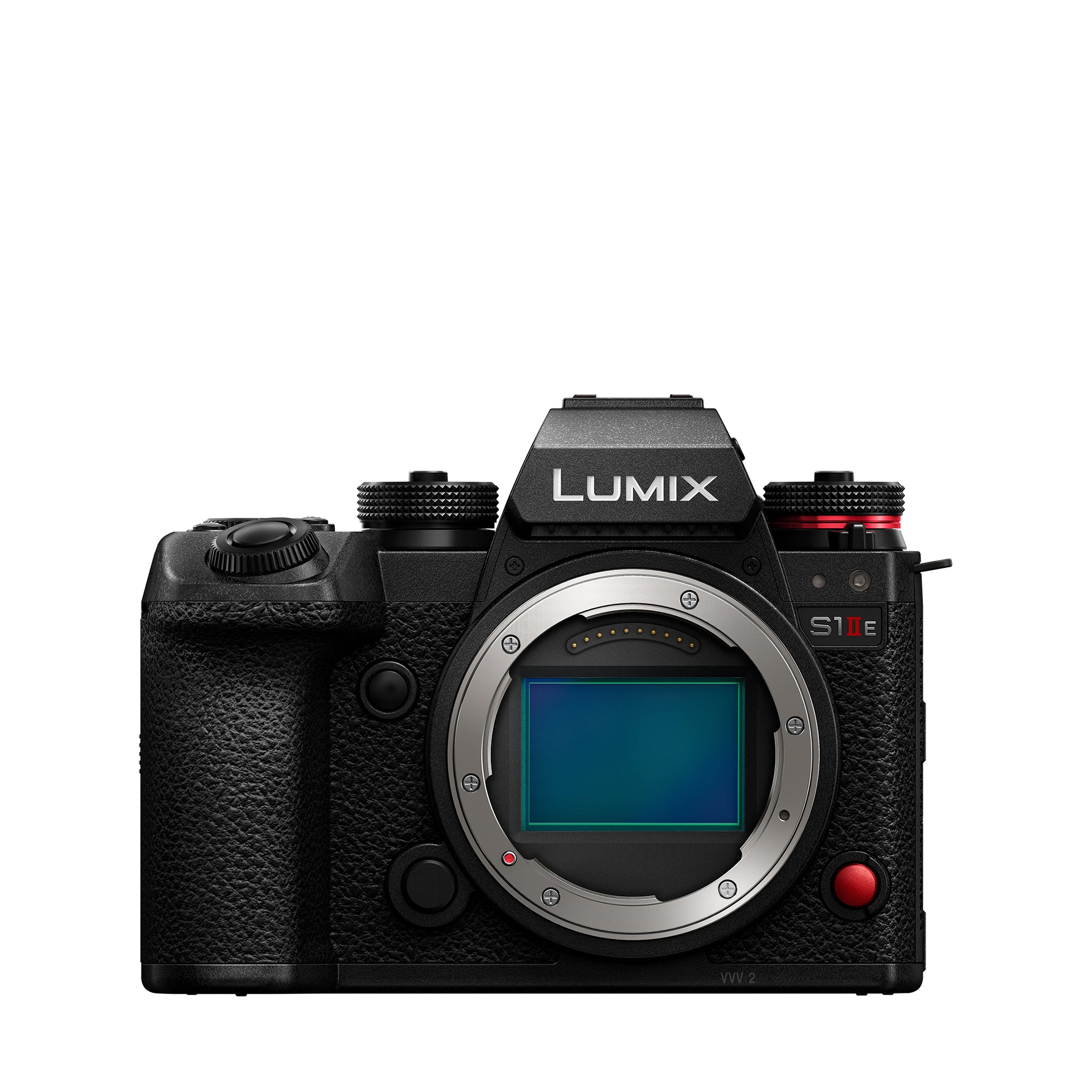
The Nikon Z6III and the Panasonic S1 II E are two robust full-frame mirrorless cameras that appeal to both enthusiasts and professionals alike. Both systems offer impressive specifications and features tailored for a range of photography styles, making them popular choices among buyers. Those considering these models are typically looking for high image quality, advanced autofocus capabilities, and versatile video performance. Each camera excels in different areas: the Z6III is designed with a balanced set of features beneficial for photography, while the S1 II E leans towards video performance and versatility.
Specifications Comparison
Detailed Comparison
Image Quality
The Nikon Z6III features a 25-megapixel sensor, slightly surpassing the 24.1-megapixel sensor of the Panasonic S1 II E. This marginal difference in resolution can lead to finer detail capture, especially in portrait and landscape shots. Both cameras utilize full-frame sensors that enhance low-light performance and dynamic range, but the Z6III offers an impressive ISO range of 100-64000, which makes it more adaptable for varying lighting conditions.
In practical scenarios, while both cameras produce excellent image quality, the Z6III's higher resolution and better low-light performance can provide a slight edge for dedicated photographers. Additionally, the Z6III's sensor offers impressive dynamic range, which is particularly beneficial for photographers seeking to retain details in highlights and shadows. Overall, while the difference in megapixels is small, the Z6III takes the crown when it comes to raw image quality performance.
Autofocus System
Nikon's Z6III incorporates a sophisticated autofocus system with 273 focus points, allowing for precise subject tracking in various conditions. The sensor's phase-detection technology works seamlessly to ensure quick and reliable operation. This is particularly beneficial for moving subjects or action shots.
On the other hand, the Panasonic S1 II E features an advanced autofocus mechanism, although the specific number of autofocus points is not provided. It is known for its excellent tracking capabilities and works well in both still photography and video applications, ensuring subjects remain in focus even with dynamic movements.
While both systems excel in autofocus performance, the Z6III's higher number of focus points gives it a slightly more versatile edge, especially for photographers focusing on fast-moving subjects. However, for video shooters, the S1 II E's autofocus system is still impressive, providing solid performance while shooting in various resolutions. Thus, while both systems are advanced, the Z6III is a more compelling choice for still photography enthusiasts.
Video Capabilities
The Panasonic S1 II E has shown to be a powerhouse in video capabilities, offering resolutions that include 5.9K/60p and 4K/120fps options. This versatility makes it particularly appealing for videographers and content creators who demand high resolution and frame rates for cinematic experiences.
In contrast, while the Nikon Z6III provides excellent video quality, its specifications do not match the S1 II E's options. The Z6III still offers commendable 4K recording, but it lacks the elevated resolutions and frame rates found in the S1 II E.
Given the significance of video features in modern camera systems, the Panasonic S1 II E takes the lead in this category, firmly establishing itself as the better option for video-centric users. Those prioritizing videography will find the S1 II E's capabilities unmatched in this comparison.
Build & Ergonomics
Both cameras boast a solid build quality, with weather-sealed bodies that protect against various environmental factors. The Nikon Z6III is slightly bulkier and heavier at 760 grams, which might impact portability for some users. However, its controls and grip design are comfortable for prolonged use, providing positive handling characteristics.
In contrast, the Panasonic S1 II E is designed with ergonomics in mind as well. Despite being heavy, it provides a balanced feel, and its layout of buttons and dials offers intuitive usability, particularly benefiting users who require quick adjustments.
When it comes to ergonomics and handling, photographers may find both systems equally comfortable. However, the slightly heavier weight of the Z6III could be a consideration for those who prioritize lightweight gear for travel and outdoor shooting.
Battery & Storage
The Nikon Z6III features a battery life of approximately 380 shots per charge, which is a moderate performance expected from higher-end mirrorless cameras. It utilizes the Nikon Z mount, compatible with a broad range of lens options, making it advantageous for varied shooting needs.
Conversely, the Panasonic S1 II E features relatively high power consumption due to its more extensive video performance capabilities, leading to a shorter battery life when shooting videos. However, the videography-friendly design does include the option for a dual card slot setup (V90 cards), enhancing storage flexibility for high-resolution footage.
While the Nikon Z6III has better battery life for still photography, the S1 II E's dual memory card slot adds valuable storage capabilities that can be crucial for extended shoots, especially under demanding conditions. Thus, while the Nikon Z6III edges ahead in battery life for traditional photography, the S1 II E's storage advantages are notable for videographers.
Value for Money
The Nikon Z6III is priced at $2500, which positions it competitively within the full-frame camera market, particularly given its blend of features tailored for both photography and videography. This pricing reflects its robust capabilities, including excellent autofocus, solid image quality, and a well-rounded set of features.
The Panasonic S1 II E's cost is generally comparable, and although specific pricing was not provided, its attribution to the video market suggests value in video production with its advanced features. It also provides options catering to specialized video content creators. Buyers looking predominantly for video-centric capabilities may find the extra expenditure justifiable.
In this segment, the Nikon Z6III may offer a slightly better overall value for photographers looking for a high-performing, well-rounded camera. Meanwhile, the S1 II E could appeal to those requiring cutting-edge features for video work. Thus, value for money depends on the specific needs of the user.
Our Verdict
Overall, the Nikon Z6III emerges as the winner in this comparison due to its superior image quality, autofocus system, and general usability for still photography. While the Panasonic S1 II E excels in video performance with its high resolutions and frame rates, the Z6III offers a balance that suits a broader range of users. Enthusiasts and professionals focused on photography will find the Z6III to be a comprehensive tool that meets diverse needs, while those primarily interested in video production may lean towards the S1 II E for its compelling video capabilities.
Nikon Z6III
Panasonic S1 II E
Also Compare
Frequently Asked Questions
Which camera is better for low-light photography?
The Nikon Z6III is generally more suited for low-light photography due to its wider ISO range of 100-64000, making it highly adaptable for various lighting conditions.
Is the Panasonic S1 II E a good choice for vloggers?
Yes, the Panasonic S1 II E is an excellent choice for vloggers, especially due to its high video resolutions and frame rates, providing stunning cinematic quality.
Can I use Nikon lenses on the Z6III?
Yes, the Nikon Z6III utilizes the Nikon Z mount, allowing compatibility with a wide range of Nikon lenses specifically designed for mirrorless cameras.
How do the autofocus systems compare for action photography?
The Nikon Z6III offers a more robust autofocus system with 273 points, providing superior tracking for fast-moving subjects compared to the Panasonic S1 II E.
Which is more portable: Z6III or S1 II E?
The Nikon Z6III is slightly lighter than the Panasonic S1 II E, which could be a consideration for photographers looking for more portability.