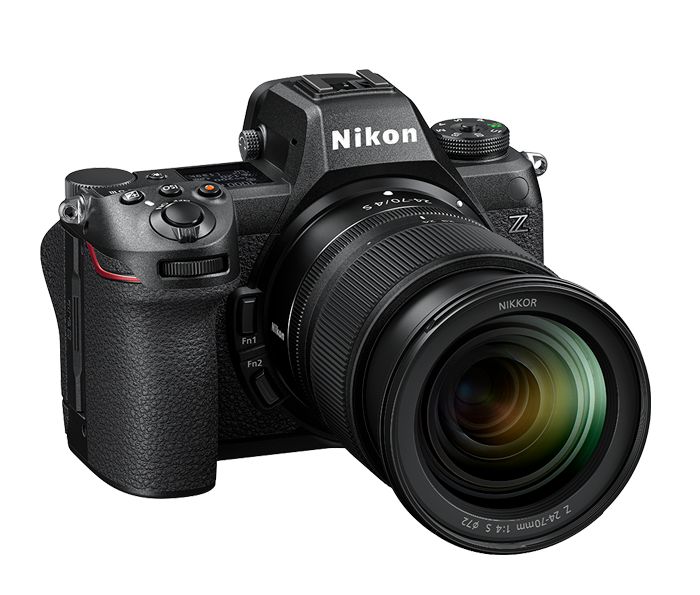
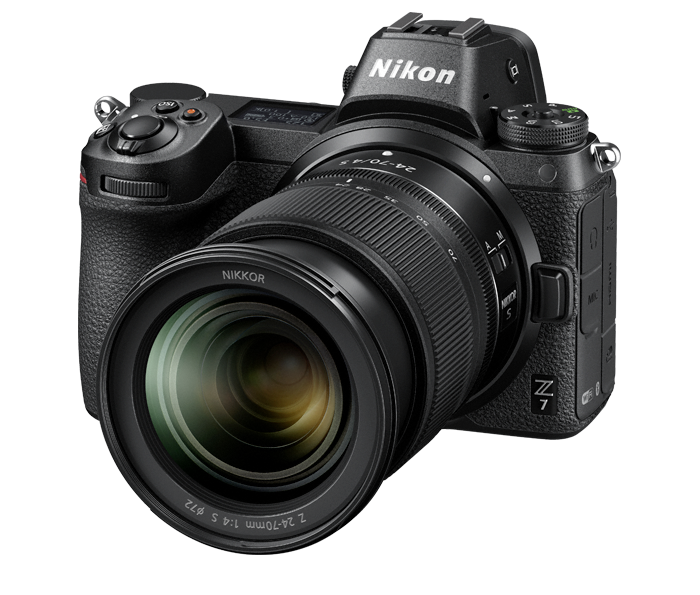
The Nikon Z6III and Z7 are two prominent models in Nikon's mirrorless camera lineup, often compared by photographers looking for a full-frame experience. The Z6III, released in 2024, is aimed at those who require versatile performance, while the Z7, released in 2018, targets high-resolution enthusiasts. Choosing between these two models can be challenging, as they both boast a host of advanced features catering to different photographic needs. The key differentiators include sensor resolution, autofocus capabilities, and price point, which significantly influence their intended applications.
Specifications Comparison
Detailed Comparison
Image Quality
The Nikon Z7 stands out with its impressive 46-megapixel sensor, significantly besting the Z6III's 25-megapixel sensor. This higher resolution offers an edge for landscape and studio photographers who require minute detail and the ability to crop images without sacrificing quality. Additionally, the Z7's ISO performance, which provides an auto range starting at 64 and expands to 102400, allows for greater flexibility in low-light conditions. Conversely, the Z6III's ISO range of 100-64000 is effective for most shooting scenarios and delivers excellent results, though it may not perform as well as the Z7 in extreme low-light situations. While both cameras excel in image quality at their respective resolutions, the Z6III's performance is better optimized for versatility and fast-paced shooting. Ultimately, the choice will depend on whether the user prioritizes high resolution or a more balanced performance across varying conditions.
Autofocus System
The autofocus system of the Z7 offers 493 focus points, which not only covers a broader area of the frame but also provides a robust tracking performance for both stills and video. The Z6III features a slightly reduced 273 autofocus points; however, it compensates with faster performance, achieving a maximum frame rate of 20 frames per second compared to the Z7's 9 frames per second. This makes the Z6III ideal for action photography where subject movement is a factor. Additionally, both cameras benefit from Nikon's advanced autofocus technology, including Eye-AF for human and animal subjects. For those focusing on still subjects or studio work, the Z7's superior autofocus coverage might take precedence, while sports and wildlife photographers may better appreciate the Z6III's speed. Overall, while both systems are effective, the Z7's superior point coverage gives it an edge in a wider range of scenarios.
Video Capabilities
The Z6III significantly enhances video capabilities over the Z7, offering a maximum frame rate of 20 frames per second and superior stabilization at 8 stops compared to the Z7's 5 stops. While both cameras support 4K video, the Z6III's higher frame rate allows for smoother video capture, appealing to filmmakers and content creators alike. The Z7, while still competent, accommodates a maximum frame rate of 30p in 4K, which may limit certain creative video techniques. The Z6III's features also include improved heat dissipation for longer recording times, furthering its problem-solving capabilities for video recording. Therefore, for individuals prioritizing advanced video functionality, the Z6III presents a more suitable option.
Build & Ergonomics
Both the Z6III and Z7 boast robust, weather-sealed constructions, making them suitable for outdoor use in varying conditions. The Z6III is slightly heavier at 760g compared to the Z7's 675g, but this difference is negligible when considering long photography sessions. The dimensions reveal the Z7 is marginally smaller, enhancing portability without compromising grip comfort. Both cameras are equipped with electronic viewfinders and touchscreens, but the Z7's screen is slightly larger at 3.2 inches, providing a tiny advantage for easier monitoring. User comfort may differ based on personal preference, but both models deliver a solid experience. Thus, both cameras are comparable in terms of build quality, with slight variances that may appeal to different users.
Battery & Storage
Battery performance on the Z6III is rated for 380 shots, slightly surpassing the Z7's 330 shots per charge. Given that both operate on the Nikon Z mount type batteries, this may provide added value for users needing longer sessions without frequent charging. Additionally, both cameras support eye-watering storage capacities, but the Z7 supports expanded ISO performance when utilizing specific memory cards designed for high-speed reading and writing, enhancing performance in high-resolution settings. Photographers can also find it necessary to consider storage space if they prioritize the Z7's larger 46-megapixel files. Thus, while the Z6III wins on battery life, the Z7 holds advantages in expanded storage capabilities for high-resolution scenarios.
Value for Money
In terms of price, the Z6III at $2500 presents a more attractive entry point for enthusiastic photographers considering a full-frame camera. Its versatile feature set caters to a broader audience, making it an excellent choice for both stills and video without breaking the bank. Conversely, the Z7, priced at $3399, is positioned toward serious professionals and enthusiasts who prioritize resolution and detail. Given that the Z6III offers a balanced performance coupled with modern features like enhanced video capability and a higher frame rate, it often represents better value for budget-conscious creators. This aspect is crucial for buyers who must factor in not just the camera itself, but also the potential for upgrades and accessories down the line. Thus, the Z6III is deemed the better overall value considering its specifications and options.
Our Verdict
Overall, the Nikon Z6III emerges as the winner when considering a combination of versatility, price, and modern features. While the Z7 offers exceptional resolution and effective autofocus for high-detail photography, the Z6III caters to a broader user base, excelling in performance across both photo and video applications. If you are a professional who primarily focuses on fine detail and resolution, the Z7 might still be the ideal choice. However, for most users seeking a full-frame camera with comprehensive capabilities, the Z6III represents the best overall value.