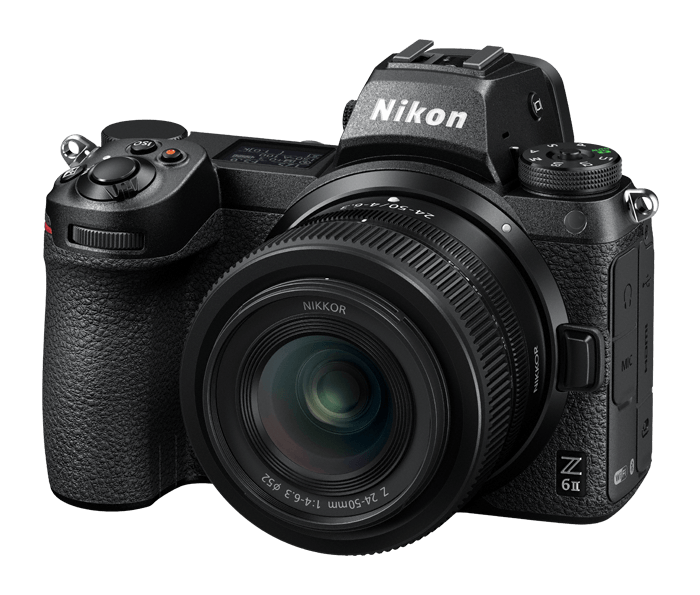
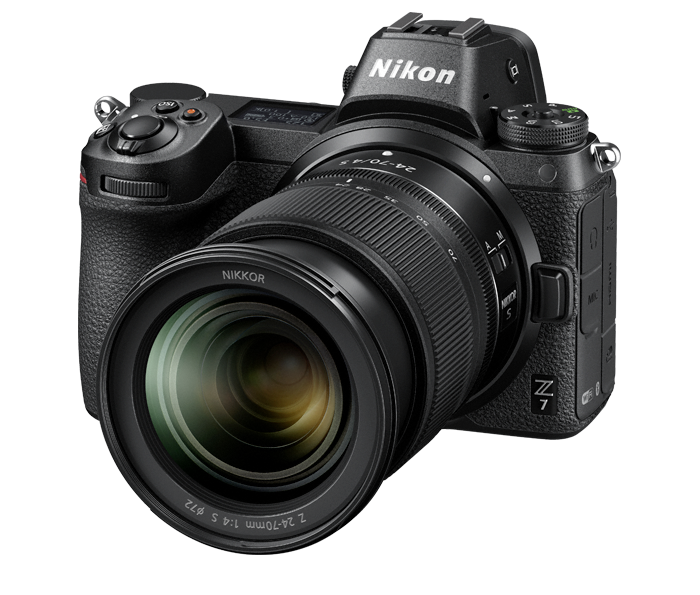
The Nikon Z6 II and Nikon Z7 are two of Nikon's flagship mirrorless cameras, appealing to both enthusiasts and professionals looking for a robust full-frame system. Often compared due to their similar designs, imaging capabilities, and shared mount system, these cameras cater to different photography needs. The Z6 II is favored for its faster performance and better video specifications, while the Z7 shines in its high-resolution output, making it attractive for landscape and studio work. Understanding their unique features can help potential buyers make an informed decision based on their specific requirements.
Specifications Comparison
Detailed Comparison
Image Quality
When it comes to image quality, the Nikon Z7 leads with its impressive 46 megapixels, providing unparalleled detail and resolution for large prints or cropping in post-production. This makes it ideal for photographers who prioritize image detail, such as landscape and fine art photographers. The Z6 II, while lower in resolution at 25 megapixels, still produces stunning images with excellent dynamic range and color representation, making it a robust choice for event and portrait photography.
Autofocus System
The autofocus system is another critical area of comparison. The Nikon Z7 features 493 autofocus points, giving it an edge in terms of coverage and precision during focus acquisition. This can be particularly advantageous when photographing moving subjects or in variable lighting conditions. The Z6 II offers 273 focus points, which, while less comprehensive, still delivers quick and accurate focusing abilities, benefiting action and wildlife photographers seeking high frame rates. While both systems are reliable, the Z7's autofocus strength may be more beneficial for situations requiring extensive subject tracking.
Video Capabilities
On the video front, both the Nikon Z6 II and Z7 can shoot in 4K at 30 frames per second. However, the Z6 II has a slight advantage due to its 14 frames per second burst shooting capability, making it superior for high-speed scenarios, whether for sports or dynamic events. Additionally, the Z6 II has features tailored for videographers, such as a higher base ISO and improved autofocus during video capture. The Z7, while still capable, may be more of a static shooter than the Z6 II, as its specs don't quite cater to the same fast-paced video environments.
Build & Ergonomics
Both cameras are well-built with weather sealing, catering to outdoor and demanding environments. The Z6 II weighs slightly more at 705 grams vs. 675 grams for the Z7, but this difference is negligible for most users. Both models feature similar dimensions, maintaining a comfortable grip and control layout. However, the Z6 II's design elements cater slightly more to fast-paced shooting and video work, while the Z7's build quality complements its high-resolution focus, allowing for stable handling with heavy lenses in studio settings.
Battery & Storage
Battery life does provide a differentiator; the Z6 II offers 410 shots per charge, surpassing the Z7's 330 shots. This makes it more advantageous for longer shoots without frequent battery changes, particularly beneficial for videographers or events. Additionally, both models utilize dual memory card slots, ensuring an easy workflow for photographers needing backup or extended storage. Users seeking reliability in battery performance may lean towards the Z6 II for prolonged sessions.
Value for Money
Price plays a significant role in the decision-making process, with the Nikon Z6 II retailing at approximately $1995 and the Z7 at $3399. The Z6 II offers a more balanced price-to-performance ratio, especially when considering the additional features it offers for videographers and action photographers. The Z7, with its higher resolution, is justified in its pricing for those who require top-tier image quality. Ultimately, potential buyers must evaluate their specific needs versus their willingness to invest more upfront.
Our Verdict
The Nikon Z6 II emerges as the overall winner in this comparison, primarily due to its superior video capabilities, better battery life, and more attractive price point. Despite the Z7's strengths in resolution and autofocus, it is targeted more at specialized photographers. The Z6 II represents a versatile tool that suits a wider range of photography and videography styles without sacrificing image quality, making it an excellent choice for both enthusiasts and professionals alike.
Nikon Z6 II
Nikon Z7
Also Compare
Frequently Asked Questions
Which camera is better for landscape photography?
While both cameras can perform well in landscape photography, the Nikon Z7's higher megapixel count provides more detail, making it superior for this genre.
Is the Z6 II better for video filming?
Yes, the Z6 II has faster burst shooting and better features tailored for video, making it better suited for filmmakers.
How do the autofocus systems compare in low light?
The Z7's autofocus system is more advanced with more points, making it generally more reliable in low light situations compared to the Z6 II.
Are both cameras compatible with the same lenses?
Yes, both cameras use the Nikon Z mount, allowing for the same lens compatibility, including new Z-series lenses.
Which camera has better ergonomic design?
Both have excellent ergonomic designs; however, preference may vary based on shooting style. The Z6 II's layout may feel more natural for action and video, while the Z7 feels solid for studio work.