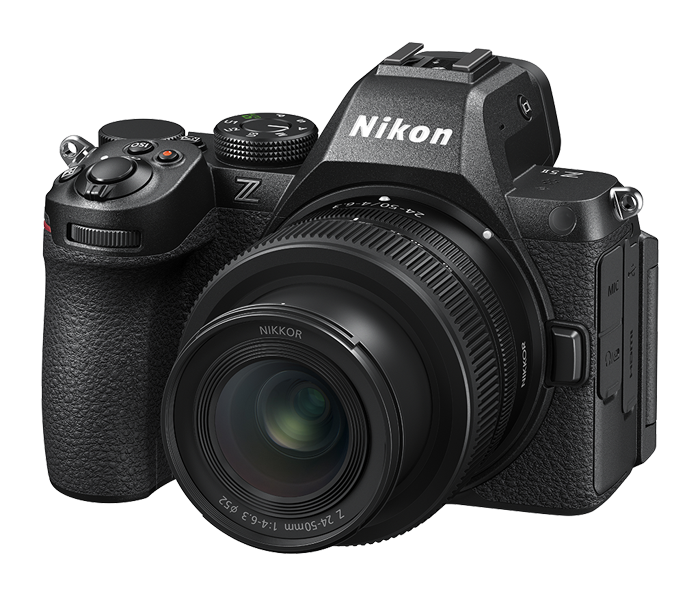
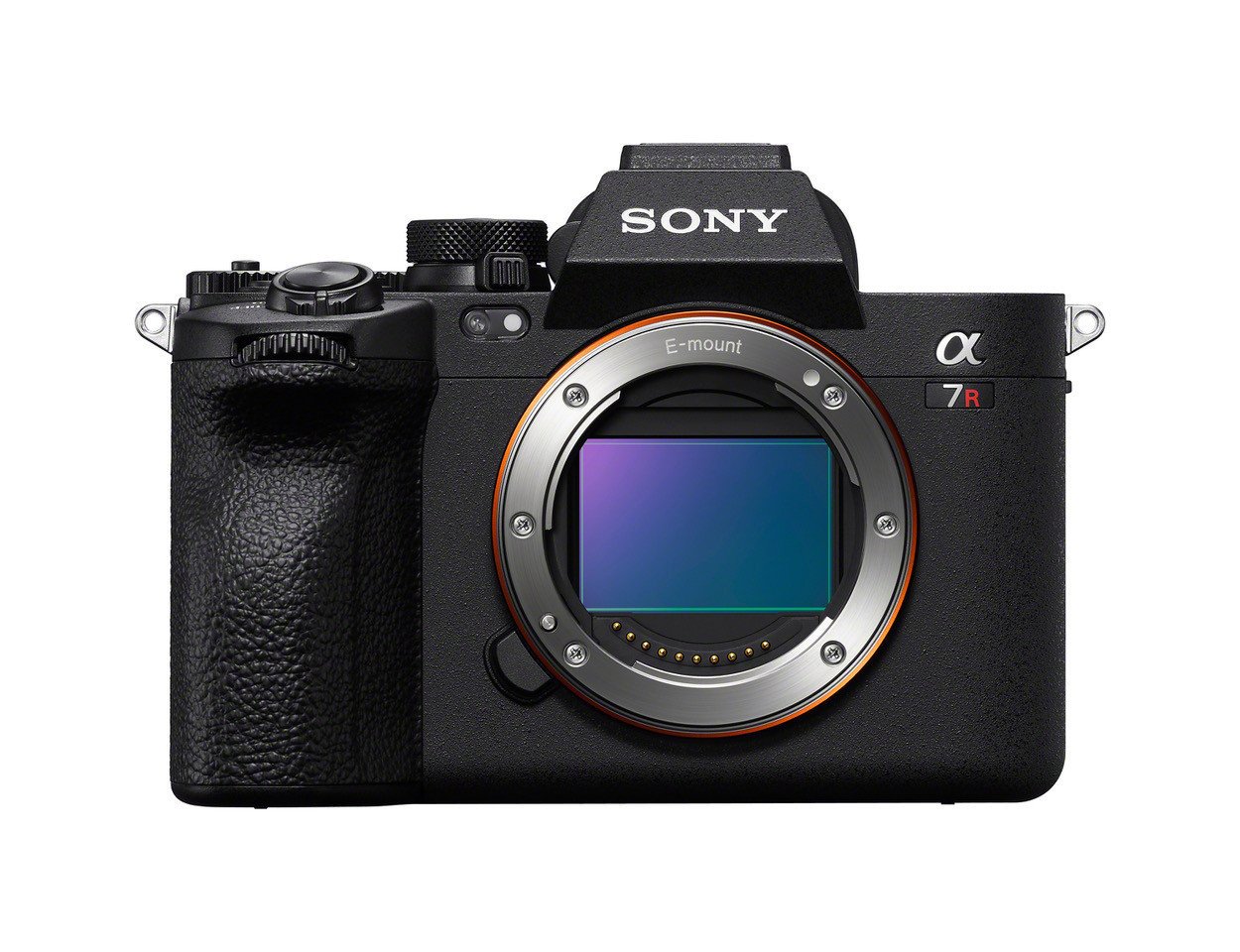
The Nikon Z5II and Sony A7R V are two prominent full-frame mirrorless cameras that appeal to photography enthusiasts and professionals alike. Each model comes with its unique strengths, making them contenders for those who prioritize image quality, autofocus performance, and video capabilities. Buyers might find themselves choosing between the two based on specific features, intended usage, and budget constraints. The key differentiators include megapixel count, autofocus system, stabilization, and overall functionality, each affecting various aspects of photography and videography.
Specifications Comparison
Detailed Comparison
Image Quality
When it comes to image quality, the Sony A7R V has an edge due to its exceptionally high 60-megapixel sensor. This added resolution offers incredible detail, making it ideal for landscape photography and large print jobs. The full-frame sensor sizes are quite similar, with the Z5II measuring 35.9 x 23.9 mm compared to the A7R V's 35.7 x 23.8 mm. However, the significant difference in megapixels provides the A7R V the advantage in capturing minute details with higher cropping flexibility. Conversely, the Nikon Z5II offers 24 megapixels, which, while lower, is still suitable for many general photography needs, delivering high-quality images with excellent dynamic range. The ISO range of the A7R V, which expands up to ISO 102400, offers slightly better performance in low-light conditions compared to the Z5II, which stands at a maximum ISO of 51200. Thus, while both cameras produce stunning images, the added resolution and low-light capability make the Sony A7R V the winner in this category.
Autofocus System
The autofocus systems on these cameras are robust but vary significantly in number and performance. The Sony A7R V features 693 autofocus points, which contribute to its rapid and precise focusing, particularly when tracking moving subjects. This extensive coverage is particularly beneficial for wildlife or sports photography. Additionally, Sony's Real-time Eye AF technology enhances portrait shooting substantially. In contrast, the Nikon Z5II offers 299 autofocus points that provide solid performance; however, this quantity does place it at a disadvantage compared to its competitor. While the Z5II's autofocus is reliable for stills and basic video tasks, it's not as advanced in tracking abilities as the A7R V, making action shots less reliable. Therefore, with superior autofocus technology and performance, the A7R V claims this section as the winner.
Video Capabilities
Both the Nikon Z5II and Sony A7R V excel in video capabilities, supporting 4K video at up to 60p. However, the A7R V provides additional advantages in terms of video resolutions and features such as 10-bit 4:2:2 internal recording and advanced shooting codecs, which appeal to professional videographers. The Nikon Z5II, while capable, lacks some of the more advanced recording options available on the A7R V. Furthermore, the stabilization system on the A7R V is rated at 8 stops, providing more robust stabilization for handheld shooting than the Z5II's 7.5 stops. This can make a noticeable difference during video captures, leading to smoother footage even in dynamic situations. Thus, given the superior video recording capabilities and stabilization, the Sony A7R V is declared the winner.
Build & Ergonomics
In terms of build quality and ergonomics, both cameras are weather-sealed, which enhances their durability in adverse conditions. The Nikon Z5II has a slightly larger body, weighing 700 grams, and offers a comfortable grip, which many users appreciate for extended shooting sessions. Its dimensions allow for a well-distributed weight that feels good in hand. On the other hand, the Sony A7R V, weighing slightly more at 723 grams, features a slightly more compact dimension profile. Some users may find the A7R V's layout and button placements more intuitive, particularly for video use. Additionally, both cameras come equipped with a high-resolution electronic viewfinder and touchscreen displays, making it easier to compose shots and review images. Overall, given this discussion, it's a close call, but many prefer the added comfort and grip of the Nikon Z5II, so the winner here is a tie.
Battery & Storage
Battery life is another pivotal aspect for photographers and videographers, with the Nikon Z5II boasting a lifespan of approximately 330 shots per charge while the Sony A7R V excels with around 530 shots. This difference can significantly impact long shooting sessions or days spent out in the field without access to charging. Storage options are also a factor, as both cameras support dual card slots; however, the slot configurations differ. The A7R V's dual slots allow for faster data writing, especially when recording high-resolution video formats. Furthermore, with its larger battery capacity, the A7R V ensures a more capable performance during extended shoots, making it the clear winner in terms of battery and storage capabilities.
Value for Money
Price plays a significant role in deciding between the Nikon Z5II and Sony A7R V. At a price point of $1,699, the Nikon Z5II offers an excellent entry into the full-frame mirrorless realm with competent features that cater well to most enthusiasts and semi-professional photographers. Given its lower resolution and slightly less advanced features, it represents strong value. On the other hand, the Sony A7R V, priced at $3,900, caters toward professionals who require higher resolution and sophisticated video capabilities. While it provides exceptional performance, its higher price tag may be hard to justify for those who do not need the added resolution and advanced features. For those on a budget or starting their photographic journey, the Nikon Z5II is a more viable option in terms of value. Thus, it emerges as the winner in this category.
Our Verdict
Overall, while both the Nikon Z5II and Sony A7R V have their strengths, the Sony A7R V takes the lead with its superior megapixel count, advanced autofocus, and robust video capabilities. These features make it a standout choice for professional photographers and videographers who demand high performance. However, for enthusiasts seeking great quality without the need for ultra-high resolution or extensive features, the Nikon Z5II presents remarkable value for money. Therefore, the best choice ultimately hinges on the buyer's specific needs and budget.