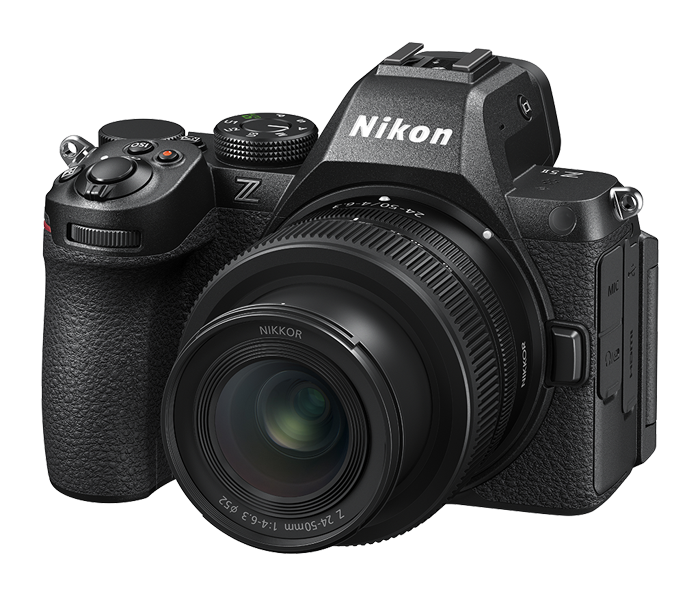
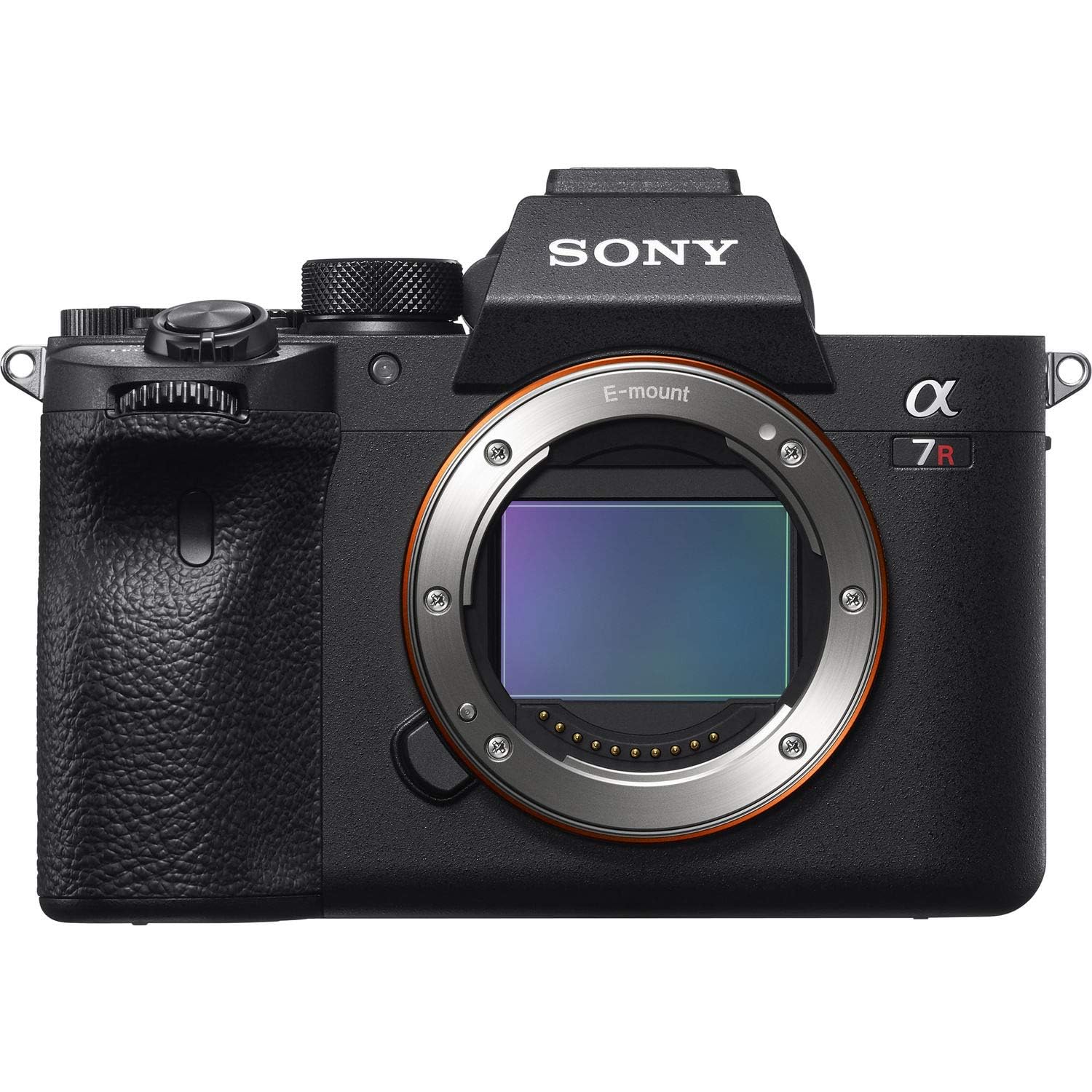
The Nikon Z5II and the Sony A7R IV are two formidable full-frame mirrorless cameras that cater to a wide range of photographers, from enthusiasts to professionals. Both cameras have become popular choices due to their superior imaging capabilities and advanced features. Buyers often find themselves choosing between these two models based on specific needs such as resolution, autofocus performance, and video capabilities. The Nikon Z5II, released in 2025, focuses on delivering an excellent still photography experience with robust build quality and user-friendly features, while the Sony A7R IV, released in 2019, stands out for its high resolution and impressive autofocus system, making it appealing for those who require detailed images and rapid subject tracking.
Specifications Comparison
Detailed Comparison
Image Quality
When it comes to sensor capabilities, the Sony A7R IV takes the lead with its impressive 61-megapixel sensor, delivering extraordinary detail and image quality, making it a fantastic option for large prints or extensive cropping. In contrast, the Nikon Z5II's 24-megapixel sensor, while significantly lower in resolution, still produces superb images with great dynamic range and color accuracy, making it perfectly adequate for many users looking for high-quality results without the overwhelming file sizes. The A7R IV also features a broader ISO range, allowing photographers to capture images in a variety of lighting conditions, though both cameras perform admirably in low-light situations due to their full-frame sensors. For photographers prioritizing the utmost image detail and resolution, the A7R IV is the clear winner.
Autofocus System
In terms of autofocus, the Sony A7R IV again shines with its 567 autofocus points, providing advanced phase-detection capabilities that excel in tracking moving subjects and ensuring focus accuracy. The autofocus performance is particularly beneficial in sports or wildlife photography scenarios. The Nikon Z5II features a robust 299-point autofocus system, which, while slightly less comprehensive than Sony's, still delivers reliable performance for most shooting conditions. The Z5II also incorporates user-friendly features like eye-detection autofocus, but the responsiveness and tracking precision of the A7R IV make it the preferable choice for those who rely heavily on fast and accurate autofocus.
Video Capabilities
For videographers, the Nikon Z5II offers a notable advantage with its ability to shoot 4K video at 60p compared to the A7R IV's 4K at only 30p. This higher frame rate allows for smoother motion, which can be crucial for capturing fast-moving subjects or for achieving a more cinematic look in video projects. While the A7R IV does include a robust set of video features, including S-Log profiles for greater post-processing flexibility, the Z5II's 60p capability positions it as a more suitable option for video-centric users. Therefore, in the domain of video capabilities, the Z5II is the clear winner.
Build & Ergonomics
Both cameras are built to withstand challenging environments, featuring weather-sealed bodies that enhance durability. The Nikon Z5II weighs slightly more at 700g, while the Sony A7R IV is lighter at 665g, making it potentially a better option for long shoots or travel. The Z5II includes a larger 3.2-inch screen with 2,100,000 dots for better visibility, whereas the A7R IV's 3-inch screen sits at 1,440,000 dots, which may affect user experience during bright conditions. Ergonomically, personal preference will play a significant role, but many find the Nikon's grip and layout more comfortable. Considering these factors, overall build quality and user comfort lead to a balanced conclusion.
Battery & Storage
Battery life is an important factor for many users, especially those who shoot extensively throughout the day. The Sony A7R IV excels with a battery capacity that allows for up to 670 shots on a full charge, outperforming the Nikon Z5II, which achieves around 330 shots. Additionally, both cameras support dual memory card slots, providing flexibility for storage management and backup, but the overall longer battery life of the A7R IV is a significant advantage for prolonged shooting sessions. Therefore, in the realm of battery performance, the A7R IV stands out as the winner.
Value for Money
Price is a crucial consideration when comparing these two models. The Nikon Z5II is priced at $1,699, providing a compelling option for photographers seeking high-quality performance without breaking the bank. Conversely, the Sony A7R IV, at $3,500, caters to a more premium market with its high-resolution sensor and advanced features. While the A7R IV may justify its higher price with superior specifications, many users might find the Z5II's performance and features sufficient for their needs at a significantly lower cost, making it more budget-friendly. Thus, the Z5II offers better value for those who do not require the absolute best specifications.
Lens Ecosystem
Lens availability is another factor that can influence purchasing decisions. The Sony E mount has been on the market longer and has a consistently wider range of lenses available, including many high-quality third-party options from manufacturers such as Tamron and Sigma. Nikon's Z-mount system, while newer, is growing rapidly, and though it offers impressive native lenses, the overall selection is still less extensive than Sony's. However, Nikon users can leverage FTZ adapters to use F-mount lenses, broadening their options. Thus, while there are solid choices for both systems, Sony currently offers a more extensive and established lens ecosystem.
Our Verdict
Overall, the Sony A7R IV emerges as the winner in this comparison, thanks to its superior image quality, autofocus performance, and extensive lens ecosystem. It is particularly suited for professionals seeking the highest resolution and advanced features for both stills and video. However, for those who prioritize video capabilities and budget-friendly options, the Nikon Z5II represents an outstanding alternative, providing excellent performance, ease of use, and better value. Depending on the user's specific needs, either camera could be a strong contender in their own right.
Nikon Z5II
Sony A7R IV
Also Compare
Frequently Asked Questions
Which camera is better for portrait photography?
The Sony A7R IV's high-resolution sensor provides greater detail for portraits, especially in large prints. However, the Nikon Z5II also offers great color reproduction and ease of use, making it suitable for portraits without the need for the highest pixel count.
Is the Nikon Z5II suitable for professional work?
Yes, the Nikon Z5II is a capable camera for professional work, especially for photographers who focus on stills and video. Its robust features and solid image quality make it a practical choice for many applications.
How does low-light performance compare between the two cameras?
Both cameras handle low-light conditions well due to their full-frame sensors, but the extended ISO range of the Sony A7R IV gives it a slight advantage in extreme darkness.
Can I use old Nikon lenses on the Z5II?
Yes, you can use older Nikon F-mount lenses on the Z5II with the FTZ adapter, which opens up a broader range of lens choices for Nikon users.
What is the key feature that differentiates these two cameras?
The key differentiator is resolution; the Sony A7R IV offers a much higher pixel count, making it the preferred choice for users who need maximum detail in their images.