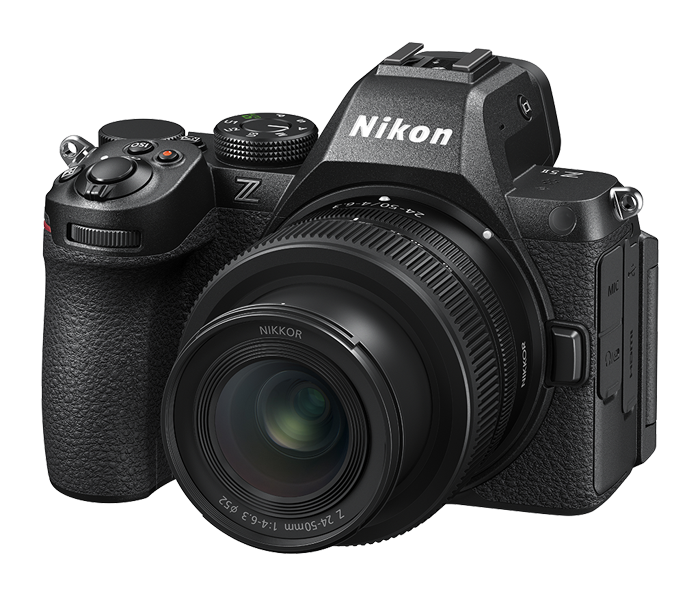
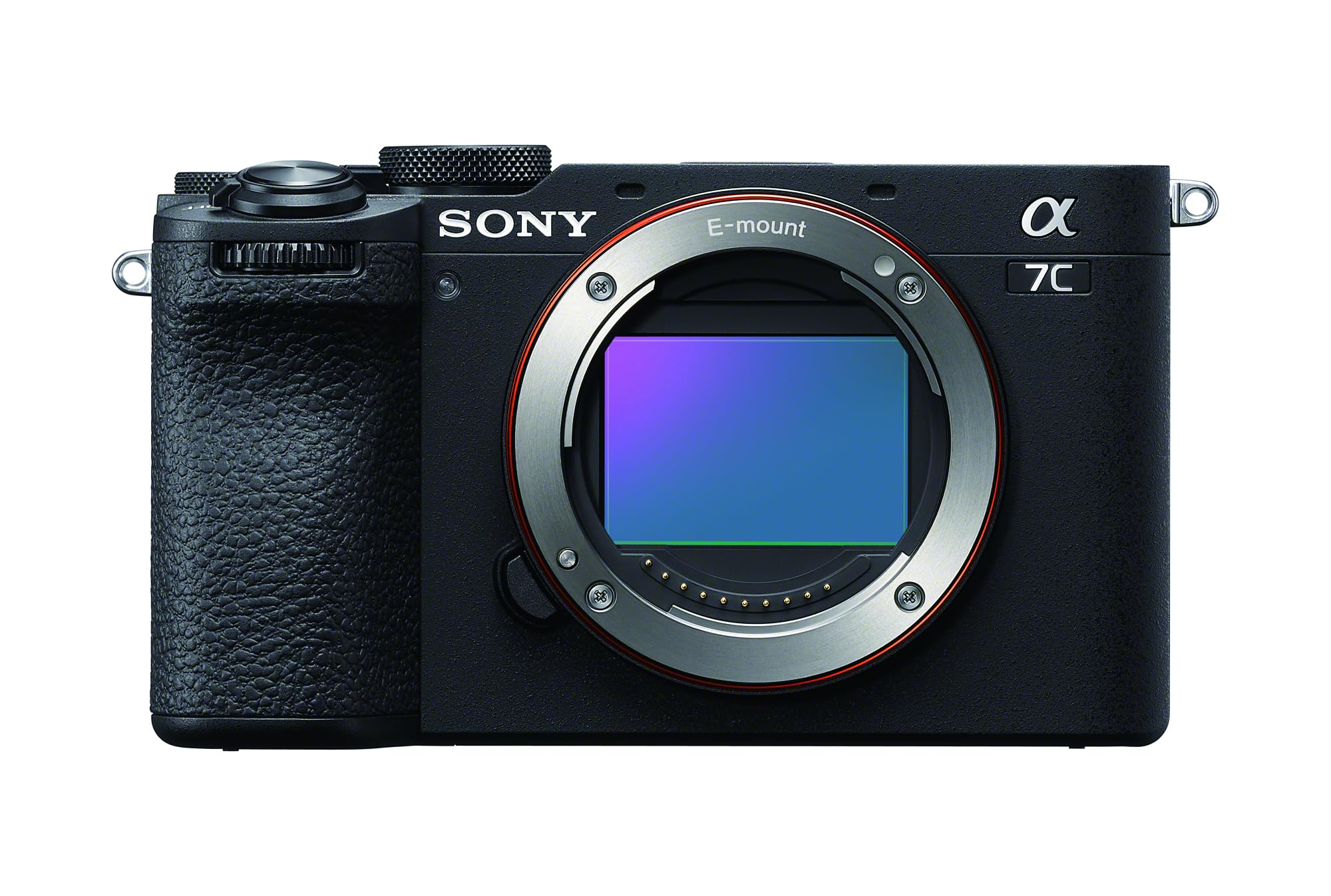
The Nikon Z5II and Sony A7C II are two prominent players in the full-frame mirrorless camera market, designed to cater to enthusiasts and professionals alike. Both cameras deliver high-quality images and robust video capabilities, making them attractive choices for photographers and videographers. Buyers often weigh their decision between these two models based on performance, features, and price point, as both are positioned similarly in terms of functionality but vary in specifications and usability aspects.
Specifications Comparison
Detailed Comparison
Image Quality
When it comes to image quality, the Nikon Z5II offers a 24-megapixel full-frame sensor, which provides excellent detail and dynamic range, particularly in well-lit conditions. The sensor's lower pixel count can result in slightly cleaner images at higher ISO levels due to less noise, making it suitable for low-light photography. Conversely, the Sony A7C II features a higher resolution of 33 megapixels, yielding more detailed images, especially beneficial for cropping or large prints. However, the A7C II's higher pixel count may produce more noise in low-light situations compared to the Z5II. Both cameras perform admirably, but the choice would depend on the user's need for resolution versus cleaner high ISO performance.
Autofocus System
Autofocus capabilities vary considerably between the two models, with the Sony A7C II boasting 759 autofocus points compared to the Nikon Z5II's 299 points. This extensive coverage allows the A7C II to excel in fast-paced environments, ensuring precise tracking of moving subjects. The Z5II, while competent, may struggle slightly in dynamic scenarios due to its fewer autofocus points. Notably, both cameras support eye autofocus, but the A7C II's advanced system provides an edge for portrait photographers or those capturing action shots. In terms of reliability and speed, the Sony A7C II takes the lead.
Video Capabilities
Both the Nikon Z5II and Sony A7C II support 4K video recording at 60 frames per second, making them suitable for video production. However, the Z5II's 14 fps burst shooting is more favorable for capturing high-speed sequences. The A7C II offers autofocus advantages during video recording due to its robust tracking system. Audio recording features are comparable, yet the incorporation of advanced video profiles in the A7C II gives it a slight edge in professional video settings. Overall, while both perform well, the A7C II's autofocus in video makes it the stronger option.
Build & Ergonomics
In terms of build quality, both cameras are weather-sealed, suitable for outdoor shooting. The Nikon Z5II is larger and heavier at 700 grams with a more substantial grip, offering comfort for prolonged shooting sessions. Its dimensions (134 x 101 x 72 mm) accommodate a comfortable handling experience. The Sony A7C II, on the other hand, is more compact at 514 grams (124 x 71 x 63 mm), appealing to users who prioritize portability. While the Z5II provides a robust feeling in hand, the A7C II's lightweight design makes it easier for travel without compromising too much on durability.
Battery & Storage
The Nikon Z5II has a battery life of approximately 330 shots, which is decent but arguably less than expected for the weight class. In contrast, the Sony A7C II excels with a battery life capable of around 540 shots on a single charge. This advantage is significant for users who shoot for extended periods without the opportunity for recharging. Additionally, both cameras utilize different lenses systems; while Nikon's Z mount offers promising options, Sony's E mount ecosystem is more extensive, allowing for broader lens choices. Considering battery performance and ecosystem implications, the A7C II shows a clear advantage.
Value for Money
At a price of $1,699, the Nikon Z5II offers a solid set of features for the cost, making it an attractive option for those who want a full-frame experience without breaking the bank. In contrast, the Sony A7C II is priced higher at $2,200, reflecting its advanced autofocus capabilities and higher resolution sensor. The decision ultimately boils down to individual needs; for hobbyists aiming for quality at a lower price, the Z5II is more appealing. However, for professionals focused on high-resolution and superior autofocus features, the investment in the A7C II may be justified.
Lens Ecosystem
The lens ecosystem is a critical factor for buyers considering these two systems. Nikon's Z mount has seen rapid growth with a range of high-quality lenses, but it still doesn't match the extensive selection of Sony's E mount system, which benefits from years of development and third-party support. Users investing in a lens system may find themselves limited with Nikon, especially in specialized or niche lenses. For photographers looking at long-term versatility and lens options, the A7C II's ecosystem is superior, providing more options across different focal lengths and types.
Our Verdict
While both the Nikon Z5II and Sony A7C II have their strong points, the overall preference leans towards the Sony A7C II due to its superior autofocus system, extended battery life, and greater lens ecosystem. It caters very well to professional photographers and videographers who benefit from these advanced features. The Nikon Z5II, however, offers excellent value, lower price, and very respectable performance, making it a great choice for enthusiasts or those looking for a solid entry into full-frame shooting without the premium cost associated with the A7C II. Ultimately, the best camera will depend on the specific needs and priorities of the buyer.
Nikon Z5II
Sony A7C II
Also Compare
Frequently Asked Questions
Which camera offers better low-light performance?
The Nikon Z5II generally provides better low-light performance due to its lower megapixel count, resulting in reduced noise at higher ISO settings.
Is one camera better for video than the other?
The Sony A7C II is often preferred for video due to its superior autofocus technology, although both cameras record 4K video at 60p.
What is the difference in battery life between the two cameras?
The Sony A7C II offers a significantly better battery life, with approximately 540 shots compared to the Nikon Z5II's 330 shots.
Which camera has a more extensive lens selection?
The Sony A7C II benefits from the larger E mount ecosystem, providing a wider variety of lenses compared to Nikon's Z mount.
Are both cameras weather-sealed?
Yes, both the Nikon Z5II and Sony A7C II are weather-sealed, making them reliable options for outdoor photography.