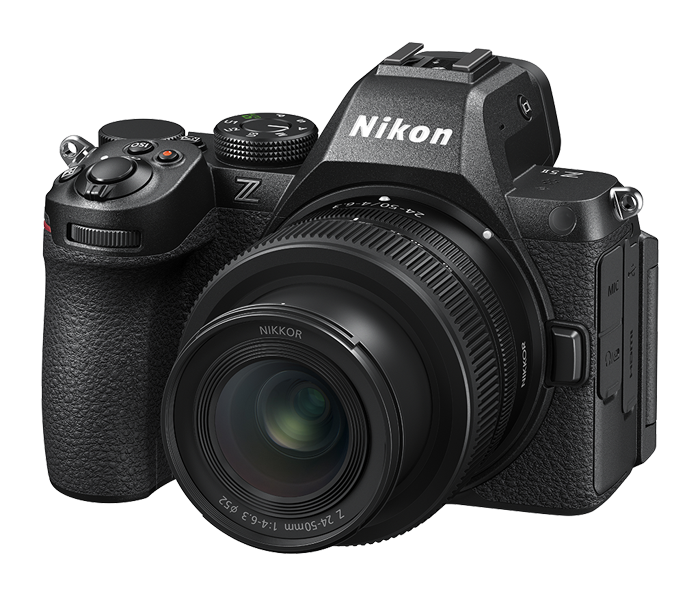
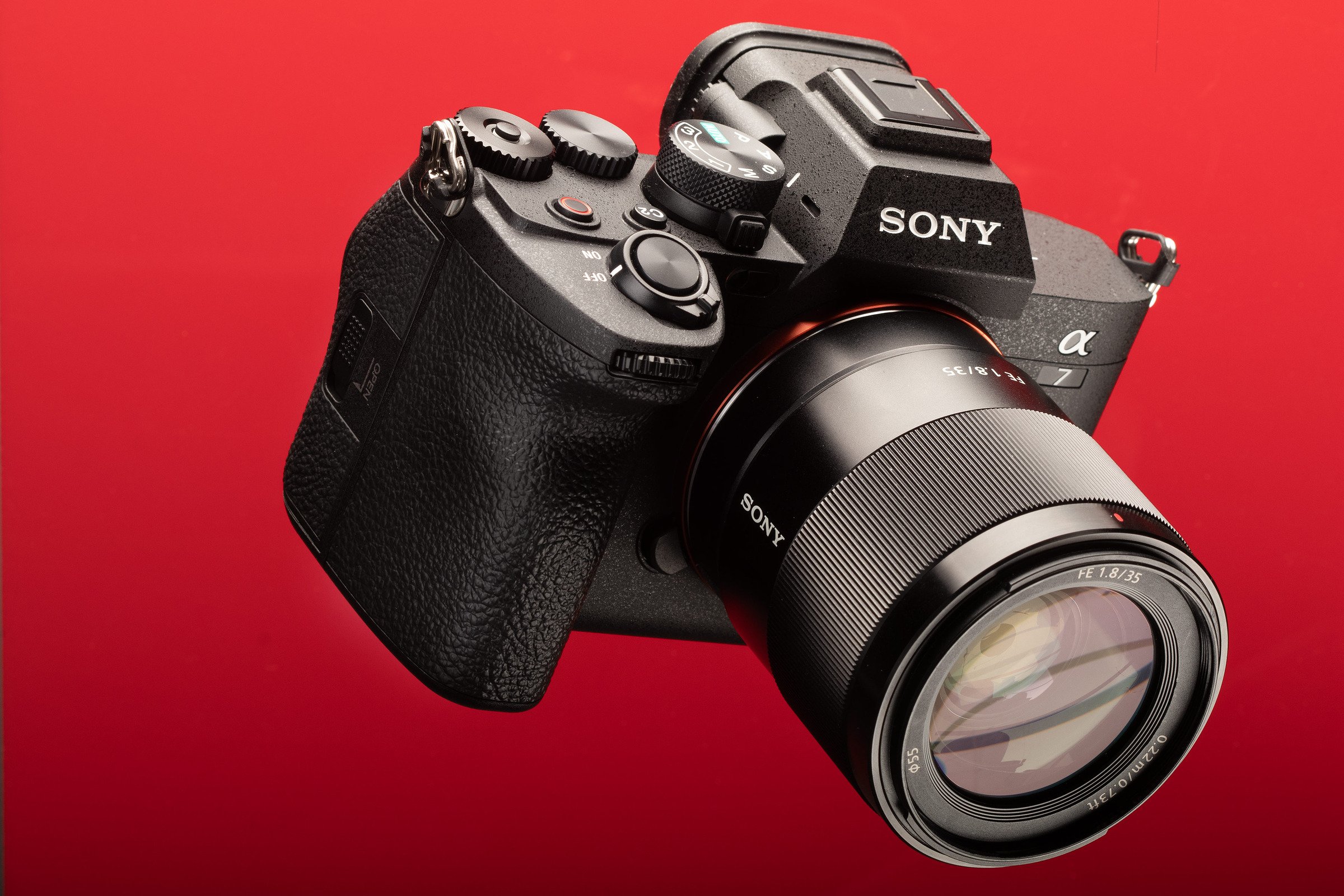
The Nikon Z5II and Sony A7 IV are two standout contenders in the full-frame mirrorless camera market, frequently compared by enthusiasts and professionals alike. Both systems offer exceptional image quality, advanced autofocus capabilities, and solid build quality, making them suitable for various photographic applications such as portraits, landscapes, and videography. Buyers are often torn between these two models due to their reputable performance, varied feature sets, and price differences, with the Z5II priced lower yet delivering solid performance, while the A7 IV offers a more extensive feature set at a higher price point.
Specifications Comparison
Detailed Comparison
Image Quality
The Nikon Z5II features a 24-megapixel full-frame sensor that produces vibrant colors and well-detailed images, making it an excellent choice for photographers who prioritize a natural color palette and good dynamic range. While it may not boast the highest resolution compared to its competitors, the Z5II excels in low-light situations thanks to its effective image processing, allowing for clean shots at higher ISO settings. In contrast, the Sony A7 IV houses a 33-megapixel sensor, offering higher resolution images that cater to detailed cropping and large print outputs. The higher pixel count brings about sharper images, but users may be challenged by larger file sizes that come with it. In practical terms, while both cameras produce excellent images, those needing absolute detail and higher resolution may lean toward the A7 IV, while the Z5II's balance of quality and manageability is appealing for everyday shooting.
Autofocus System
Sony's A7 IV leads in the autofocus department with an impressive 759 phase-detection points and advanced AI-driven subject tracking features, allowing for quick and accurate focusing, even on moving subjects. This makes it particularly advantageous for portrait and wildlife photography, where precision is critical. The Nikon Z5II, equipped with 299 autofocus points, still possesses a reliable autofocus system that works seamlessly in various lighting conditions, but it doesn't quite match the A7 IV's performance, especially in fast-paced situations. Users focused on action photography may find the enhanced tracking abilities of the A7 IV more beneficial, solidifying its position as the winner in this category.
Video Capabilities
Both cameras are capable of recording 4K video at 60p, which is excellent for videographers looking to achieve smooth motion in their footage. However, the A7 IV offers additional features like S-Cinetone color profiles, which enhance the cinematic look, and a wider range of supported codecs, making it more versatile for filmmakers needing varying output options. The Z5II provides solid video performance but lacks some of the advanced video features found in the A7 IV, such as dual card slots for redundancy during recording sessions. Therefore, for users primarily focused on video content creation, the A7 IV emerges as the more capable option due to its comprehensive video features.
Build & Ergonomics
The Nikon Z5II boasts a robust build quality with weather sealing, offering a reassuring grip and comfort during extended shooting sessions, especially in tough environments. Its slightly larger size may appeal to users seeking a more tactile experience when handling the camera. In comparison, the Sony A7 IV, despite being slightly lighter, features a more compact design, making it easier to carry. However, some photographers may prefer the more substantial grip of the Z5II for stability during long shoots. Both cameras are designed with durable materials, but the choice boils down to personal preference in handling comfort and experience during prolonged use. Overall, photographers who prioritize a confident grip may find the Z5II more suited to their needs.
Battery & Storage
In terms of battery life, the A7 IV has a significant advantage, with a rated shot count of 580 compared to the Z5II's 330 shots. This extended battery performance is particularly beneficial for event photographers or those who spend long days shooting without the opportunity to recharge. Both cameras utilize NP-FZ100 batteries, which provide ample power, but the A7 IV clearly delivers a more enduring performance. Regarding storage capacity, both models offer dual card slots; however, the A7 IV excels with its compatibility for CFexpress Type A cards, which allow for faster write speeds compared to the SD cards used in the Z5II, giving it an edge for high-resolution photography and high-bitrate video recording. This consideration is important for users who shoot large volumes of images or video, as it can significantly impact workflow efficiency. Thus, in this critical aspect, the A7 IV is the clear winner.
Value for Money
When comparing the price points, the Nikon Z5II retails for $1,699, making it a more accessible option for those seeking a full-frame camera without breaking the bank. It offers an impressive set of features, solid image quality, and excellent build, making it a compelling choice, particularly for enthusiasts or those moving into full-frame photography. In contrast, the Sony A7 IV is priced at $2,499, reflecting its advanced specs and features. While it provides capabilities that can justify the higher cost, such as superior autofocus performance and more extensive video features, the price may deter entry-level buyers or casual enthusiasts. Considering the feature sets and the prices, for someone who values advanced features and future-proofing, the A7 IV represents a higher value despite its cost. For budget-conscious users, the Z5II delivers a fantastic performance to price ratio. Ultimately, this category may lead buyers to weigh their needs against their budgetary constraints.
Our Verdict
Both the Nikon Z5II and Sony A7 IV present strong arguments for potential buyers. However, the A7 IV edges out with its superior autofocus system, better video features, and extended battery life, making it ideal for professional photographers and videographers who require cutting-edge performance. On the other hand, the Nikon Z5II is a superb choice for enthusiasts seeking a well-rounded full-frame camera that provides excellent image quality and solid features at a more accessible price point, ensuring it remains an attractive option for those less focused on high-end specifications. Ultimately, the choice depends on the user's specific needs and budgets, balancing features, performance, and cost.
Nikon Z5II
Sony A7 IV
Also Compare
Frequently Asked Questions
Which camera has better battery life?
The Sony A7 IV has better battery life, rated for 580 shots, compared to the 330 shots of the Nikon Z5II.
Is one camera better for video than the other?
Yes, the Sony A7 IV offers better video features, including advanced color profiles and faster read speeds, making it a superior choice for videography.
Which camera is easier to carry?
The Sony A7 IV is slightly lighter and more compact than the Nikon Z5II, making it arguably easier to carry for long periods.
How do the autofocus systems compare?
The Sony A7 IV has 759 autofocus points, making it more performant in tracking and focusing than the Z5II's 299 points.
Which camera is more beginner-friendly?
The Nikon Z5II, being less expensive and providing solid performance, may be more appealing to beginners, while the A7 IV is better for those who desire advanced features.