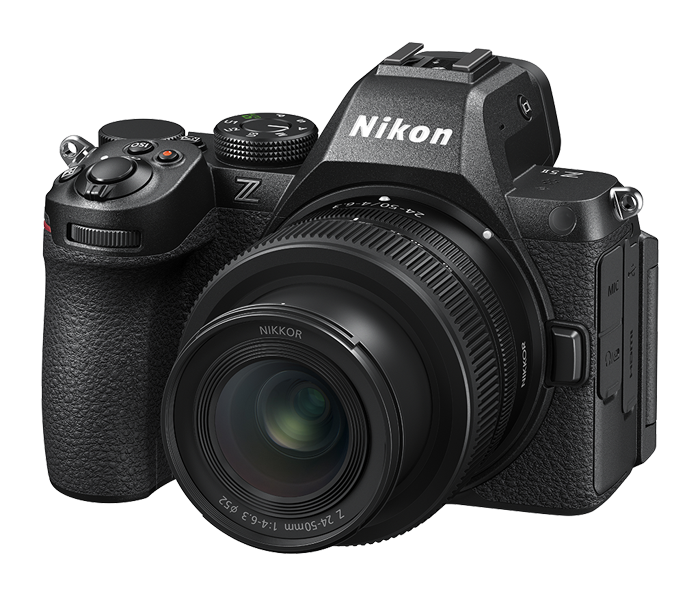
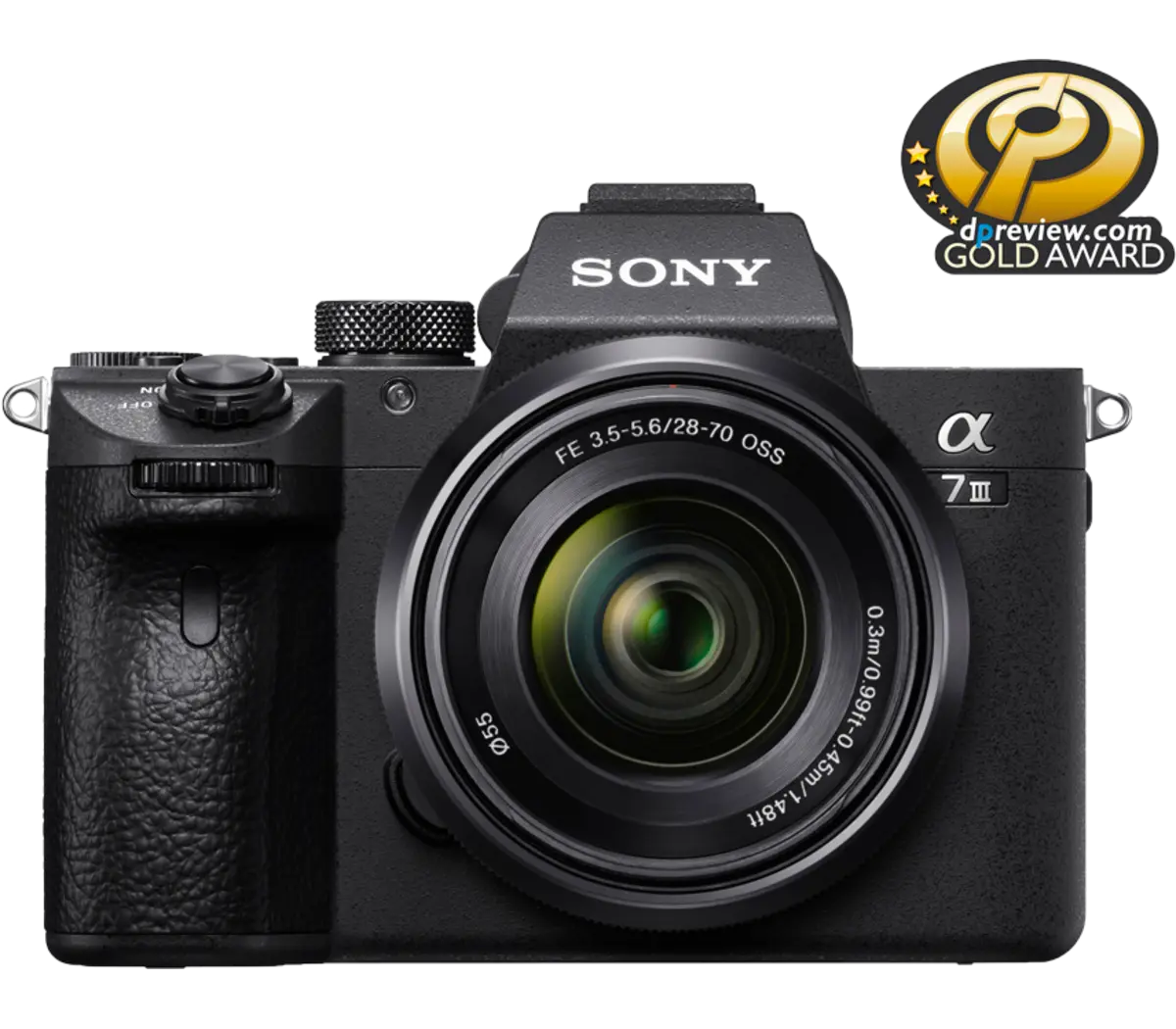
The Nikon Z5II and Sony A7 III are both full-frame mirrorless cameras, often compared by enthusiasts and professionals seeking a capable all-purpose body at the mid-tier price point. Both offer 24-megapixel sensors, robust weather-sealing, and strong reputations within their respective systems. Photographers and videographers evaluating these cameras are typically looking for a versatile tool capable of high-quality images, solid autofocus, and reliable video at a reasonable cost-a compelling option for everything from landscapes and portraits to events and travel.
Despite similar sensor sizes and resolutions, there are significant differences: the Z5II is a new release (2025) boasting faster burst rates, higher-resolution video, and new-generation features, while the A7 III is a proven workhorse with legendary battery life, an extensive lens ecosystem, and one of the most advanced autofocus systems of its generation. The key differentiators often come down to autofocus sophistication, video prowess, ergonomics, battery performance, and lens availability. Buyers must weigh modern features versus long-term ecosystem maturity and real-world reliability.
Specifications Comparison
Detailed Comparison
Image Quality
Both the Nikon Z5II and Sony A7 III feature full-frame sensors with nearly identical dimensions (Nikon: 35.9 x 23.9 mm, Sony: 35.8 x 23.8 mm) and 24 megapixels of resolution. In real-world use, both cameras deliver excellent image quality-providing ample resolution for large prints, good dynamic range, and high ISO performance expected from modern full-frame sensors.
While the Nikon Z5II benefits from four years of advancements in image processing, any marginal gains over the Sony A7 III in pure image quality are quite subtle. Color rendering and JPEG processing may vary according to brand preferences, but RAW files offer flexibility for both systems. The practical differences in noise performance, dynamic range, and color fidelity are largely negligible for most users.
Ultimately, both cameras excel at image quality and should satisfy even demanding enthusiasts and professionals. There is no significant advantage to either system in typical shooting scenarios.
Autofocus System
The Sony A7 III is widely renowned for its advanced autofocus system, offering 693 phase-detection points covering a wide area, fast subject acquisition, and reliable tracking-including refined Eye-AF for both humans and animals. Its autofocus performance remains a benchmark among full-frame cameras in its class thanks to years of firmware optimization and extensive third-party lens compatibility.
The Nikon Z5II improves significantly over the original Z5, now sporting 299 autofocus points and the latest generation AF algorithms. While it achieves good subject tracking, fast face/eye detection, and reliable performance in most conditions, it still trails the Sony in sheer coverage, speed, and hit rate-especially for erratic or fast-moving subjects like sports or wildlife. Real-world testers often note Sony's real-time Eye-AF and tracking are simply more mature and dependable.
For action shooters and those relying heavily on autofocus accuracy, the Sony A7 III still has the edge, despite being an older model.
Video Capabilities
The Nikon Z5II brings notable generational improvements in video specifications. It can record 4K at up to 60p, allowing for smooth slow-motion footage and more flexible post-production. Additionally, the Z5II benefits from advanced image stabilization (rated at 7.5 stops), which aids handheld shooting and run-and-gun scenarios.
The Sony A7 III, in contrast, tops out at 4K 30p, lacking the higher frame rates content creators often seek. Its in-body stabilization is rated at 5 stops, and while it delivers excellent 4K quality with good dynamic range, its video feature set feels somewhat dated compared to the latest generation competitors. Additional features like a higher resolution LCD on the Nikon also make monitoring easier during video work.
For modern video shooters, vloggers, and hybrid creators, the Z5II is considerably more capable, offering both faster frame rates and improved stabilization.
Build & Ergonomics
The Nikon Z5II and Sony A7 III are both weather-sealed, making them capable options for outdoor or demanding environments. The Z5II is slightly larger (134 x 101 x 72 mm, 700g) than the A7 III (127 x 96 x 74 mm, 650g), but the ergonomic differences are subtle. Nikon cameras are generally praised for their comfortable grips and intuitive menu systems. The Z5II's larger, higher-resolution 3.2'' LCD (2,100,000 dots) provides a significant upgrade for reviewing images and navigating settings compared to the Sony's 3'' 921,600-dot LCD.
Sony's strengths include a slightly lighter weight and a more compact footprint, which may appeal to travelers or those with smaller hands. Its control layout, however, is sometimes critiqued as less intuitive for new users, although experienced Sony users will find everything within easy reach. Both models offer high-quality electronic viewfinders and robust magnesium alloy chassis.
Overall, the Nikon Z5II edges ahead for its superior screen, updated ergonomics, and interface polish, but both are strong in durability and handling.
Battery & Storage
Battery life is one of the Sony A7 III's standout features, boasting an impressive CIPA rating of 710 shots per charge-more than double the Nikon Z5II's 330 shots. This makes the A7 III a clear favorite for long shoots or travel days where recharging opportunities are limited. Real-world users consistently report that Sony's Z-series battery keeps them going through a full day of shooting.
Both cameras offer dual card slots, important for professionals who require backup or separation of RAW/JPEG files. There is, however, a significant practical advantage for the A7 III in stamina. Nikon's battery life, while improved in the Z5II, still lags behind and may necessitate carrying spares for intensive sessions.
For shooters who value endurance and storage redundancy, the A7 III is the clear winner.
Value for Money
The Nikon Z5II is positioned at $1699, undercutting the Sony A7 III's typical retail price of $2000. For this, buyers get a more recent camera, with technology advancements, higher-resolution video, better in-body stabilization, and an upgraded screen-features particularly attractive to new buyers or hybrid shooters.
The Sony A7 III, despite a higher initial price, offers a more proven track record, fantastic autofocus, much superior battery life, and entry into Sony's extensive lens and accessory ecosystem. However, it is showing its age compared to the Z5II's specs and value proposition, unless heavily discounted.
On MSRP, Nikon delivers compelling value with updated capabilities at a more accessible price point. If you need the most bang for your buck in 2025, Z5II is hard to beat.
Lens Ecosystem
One of Sony's strongest selling points is the maturity and breadth of its E-mount lens lineup. After years in the mirrorless market, Sony (and third-party manufacturers) offer a huge range of native lenses for every need and budget-fast primes, budget zooms, macro lenses, and more.
Nikon's Z-mount system is newer but expanding rapidly, with strong native glass and growing third-party support. However, the overall lens selection and availability, especially for unique focal lengths or affordable options, remain superior in the Sony system. Used market opportunities are also more plentiful for Sony shooters.
If lens choice, system flexibility, or investment longevity are priorities, Sony's E-mount still holds the upper hand.
Our Verdict
The Nikon Z5II and Sony A7 III each present compelling cases, and which is best ultimately depends on your priorities. The Z5II impresses with its updated video features (4K 60p), superior in-body stabilization, newer screen technology, and sharpened value for money. It represents the evolution of mid-range mirrorless cameras, especially catering to hybrid shooters and those entering the Nikon Z system. On the other hand, the Sony A7 III remains formidable: its autofocus system and battery endurance are hard to match, and the E-mount ecosystem offers unmatched lens selection and future flexibility. For action, wedding, or event shooters needing trusted AF and long-lasting power, it's tough to beat even in 2025. Overall, neither camera is a runaway winner. Choose the Nikon Z5II for the latest features and price-to-performance ratio, or the Sony A7 III for total battery reliability, world-class autofocus, and legacy ecosystem investment. Each excels in different scenarios, and both are excellent choices in their segment.
Nikon Z5II
Sony A7 III
Also Compare
Frequently Asked Questions
Which camera has better autofocus for fast action or wildlife?
The Sony A7 III is superior in autofocus for fast-moving subjects thanks to its 693-point system, real-time tracking, and advanced Eye-AF. It consistently outperforms the Nikon Z5II in speed and accuracy, making it the better choice for sports, wildlife, and dynamic shooting.
Is the Nikon Z5II or Sony A7 III better for video creators?
The Nikon Z5II is the stronger option for video in 2025, providing 4K 60p recording and 7.5-stop in-body stabilization, which is a generational leap over the Sony's 4K 30p and 5-stop IBIS. Hybrid shooters and videographers will benefit from Nikon's newer features.
Which camera has longer battery life?
The Sony A7 III easily beats the Nikon Z5II for battery endurance, rated for up to 710 shots versus Nikon's 330. For full-day shoots or travel where charging is limited, Sony is the better choice.
Which system offers more and cheaper lens options?
Sony's E-mount has a significant edge with a wider variety of native and third-party lenses at all price points. Nikon's Z-mount is developing rapidly, but Sony still leads in terms of number, special focal lengths, and used market availability.
Is the Nikon Z5II worth it for someone starting fresh?
Yes, the Z5II's modern features, high value-to-price, and growing lens system make it an excellent entry point, especially for those prioritizing video or general photography. If you don't require specific legacy lenses or advanced autofocus, it's a very compelling pick.
How do the cameras compare for travel or daily carry?
Sony A7 III is slightly lighter and more compact, which can be beneficial for travel. More importantly, its battery life means less worry about recharging on long excursions. Nikon's Z5II, while a bit larger, offers a better screen and newer tech, so your choice should depend on whether longer shooting sessions or modern convenience are more important.