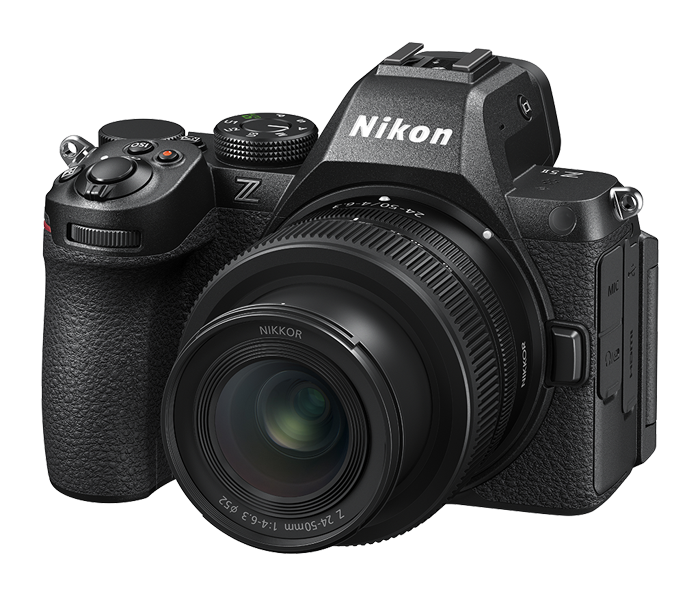
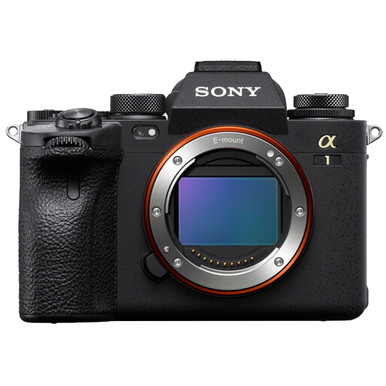
The Nikon Z5II and Sony A1 are two standout models in the full-frame mirrorless camera market, frequently compared by professional photographers and enthusiasts alike. Each camera has its unique strengths, making them ideal for different types of users-the Nikon Z5II appealing to those who prioritize value and robust features, while the Sony A1 caters to those who seek cutting-edge technology and high performance. Key differentiators between these models include resolution, autofocus capabilities, video performance, and price, which all play a crucial role in the decision-making process for potential buyers.
Specifications Comparison
Detailed Comparison
Image Quality
In terms of image quality, the Sony A1 excels with its impressive 50-megapixel sensor, which captures incredibly detailed images, especially in large prints or for cropping in post-processing. The Nikon Z5II, while offering a respectable 24 megapixels, may not match the resolution of the A1, although it can still produce exceptional images that are more than adequate for most photographic needs. The A1's greater dynamic range and low-light performance can be particularly beneficial for professional work, making it a clear winner in this category.
Autofocus System
The autofocus system is another critical area where the Sony A1 shines. With 759 autofocus points, it provides faster and more precise tracking capabilities, particularly advantageous for action photography and moving subjects. The Nikon Z5II, despite having 299 autofocus points, still offers reliable performance for most shooting scenarios, but it cannot quite compete with the speed and effectiveness of the A1's system. This difference in autofocus technology significantly impacts subject tracking and overall shooting efficiency, making the A1 the preferred choice for those requiring exceptional autofocus performance.
Video Capabilities
For videographers, the Sony A1 is a powerhouse, capable of shooting 4K video at up to 120p, providing high frame rates for smooth slow-motion footage. The 4K 60p capability of the Nikon Z5II is still impressive but falls short of the A1's versatility and frame rate options, which is critical for professional video work. Additionally, the A1 offers superior heat management during extended recording sessions, making it more suitable for long takes. Overall, in the realm of video capabilities, the Sony A1 is the obvious victor.
Build & Ergonomics
Both cameras are well-built and weather-sealed, ideal for outdoor and challenging shooting conditions. The Nikon Z5II has a slightly larger design, which some users may find more comfortable for extended use. It weighs 700g compared to the A1's 737g, and the dimensions also differ slightly, which could influence handling. However, the design of both cameras accommodates robust ergonomics suitable for their target audience. Ultimately, while both models offer great build quality, user comfort may vary depending on personal preference, resulting in a tie in this category.
Battery & Storage
The Nikon Z5II provides a battery life of approximately 330 shots, which is decent for a mirrorless system, but does not match the Sony A1's impressive 530 shots per charge. This aspect is significant for event photographers or those shooting on the go without the option to frequently change batteries. From a storage perspective, both cameras use similar dual card slots for added flexibility, but the Z5II's battery struggles to keep up in more demanding shooting situations. Hence, the A1 is favored for its superior battery performance.
Value for Money
When it comes to value for money, the Nikon Z5II has a clear advantage due to its lower price point of $1,699 compared to the $6,500 of the Sony A1. For users who do not require the absolute highest specifications and are primarily focused on solid photo and video capabilities, the Z5II offers excellent features at a much more accessible price. This makes the Z5II a more practical choice for hobbyists and semi-professionals, while the A1 is better suited for those whose work demands the highest quality and performance, despite the size of the investment.
Lens Ecosystem
Both Nikon and Sony have invested significantly in their mirrorless lens ecosystems. The Nikon Z series has several high-quality lenses available, and the Z5II is compatible with a growing range of Z-mount options, providing versatility for various photography needs. Sony, however, has a more mature ecosystem with a wider variety of lens options, including extensive third-party support. This flexibility can be a crucial factor for professionals who require specific focal lengths or specialized lenses. Therefore, while Nikon is catching up, the Sony A1 wins this category due to its broader range of superior optics.
Our Verdict
In conclusion, while both cameras have their strengths, the Sony A1 emerges as the overall winner due to its exceptional image resolution, advanced autofocus system, superior video capabilities, and robust battery life. It is an ideal choice for professional photographers and videographers who demand the best performance and are willing to invest significantly for high-end features. On the other hand, the Nikon Z5II represents outstanding value for money, making it an excellent choice for enthusiasts and semi-professional photographers who want reliable performance without breaking the bank. Each camera addresses different segments of the market, catering to specific needs and preferences.