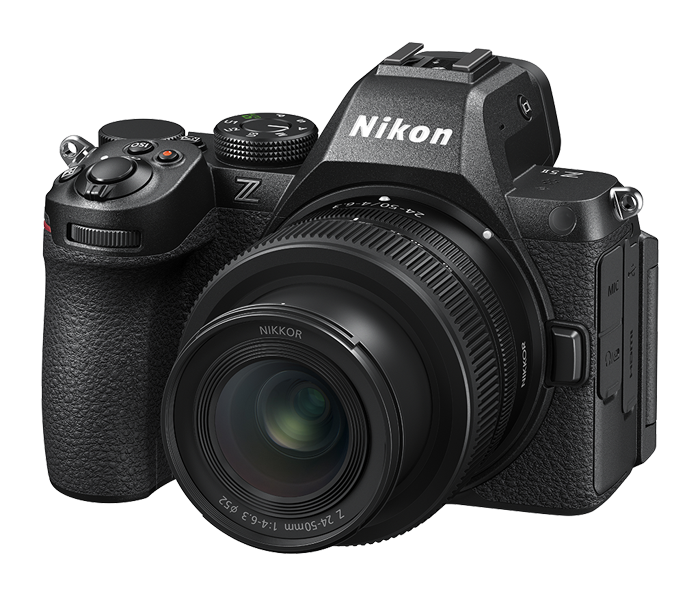
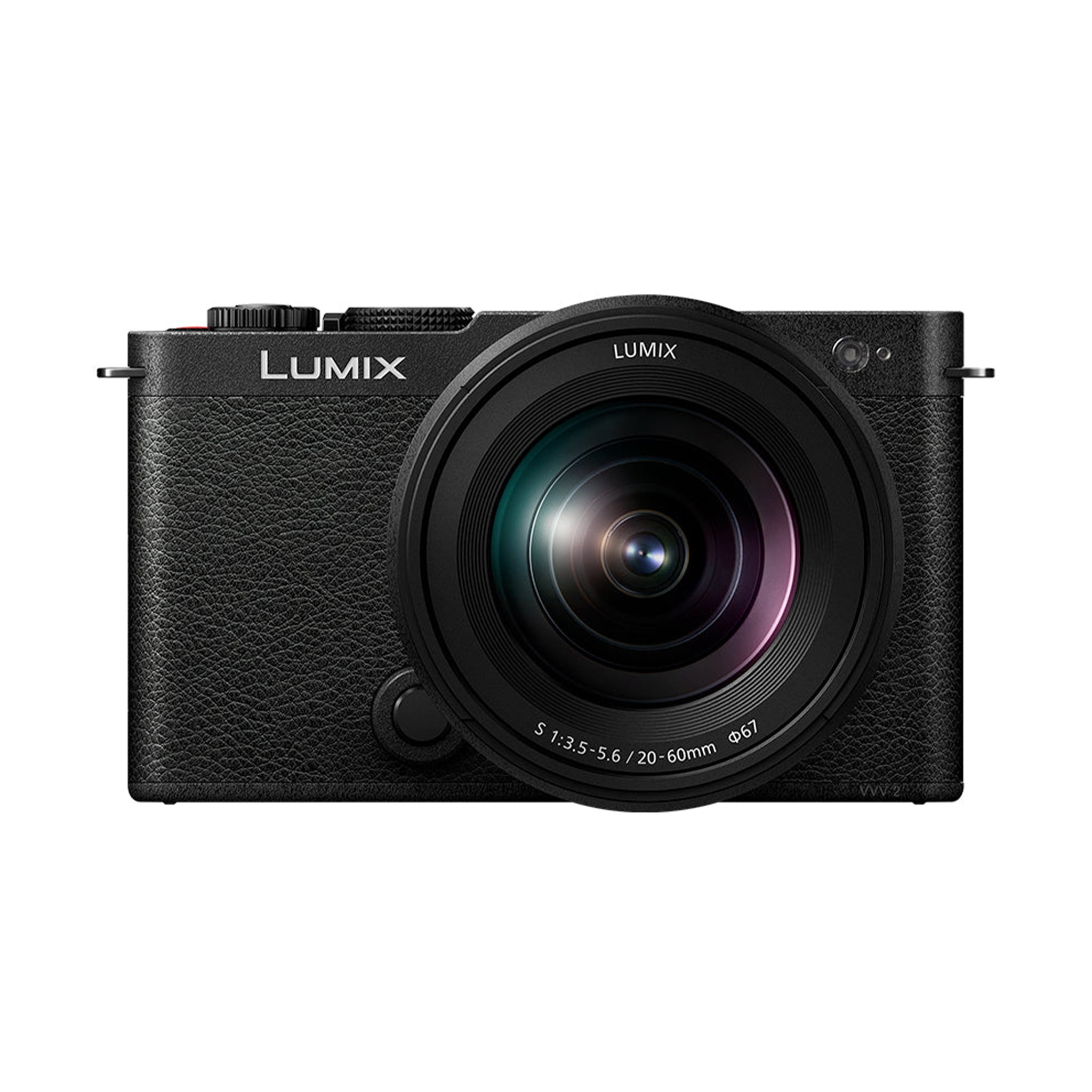
The Nikon Z5II and Panasonic S9 are two compelling full-frame mirrorless cameras, each targeting enthusiasts and content creators looking for high image quality in a compact package. Both debut with 24-megapixel full-frame sensors, making them natural competitors for photographers and hybrid shooters seeking an ideal blend of performance, portability, and advanced video features. As the mirrorless camera market becomes increasingly competitive, these two models stand out for offering flagship capabilities at more approachable price points compared to high-end professional bodies.
Those deciding between the Nikon Z5II and Panasonic S9 are likely weighing their priorities: videographers might favor one system's video versatility, while still photographers may care more about autofocus and resilience. The primary differentiators come down to autofocus implementation, video recording options, in-body stabilization, handling, battery life, and system ecosystem. The following sections break down how these bodies compare across core aspects, to help you determine which model suits your needs best.
Specifications Comparison
Detailed Comparison
Image Quality
Both the Nikon Z5II and Panasonic S9 feature 24-megapixel full-frame sensors, promising strong detail, low noise, and excellent dynamic range for both stills and video. In real-world usage, both cameras should deliver virtually identical results in most lighting conditions, with ample room for cropping and editing without noticeable deterioration.
The Z5II's sensor measures 35.9 x 23.9 mm, while the S9's is 35.6 x 23.8 mm - a negligible difference. Image processors and color science differ: Nikon is known for its neutral, natural color rendering; Panasonic tends to deliver a slightly punchier color profile, appreciated by some videographers.
Neither camera offers a marked advantage in sensor design or resolution, and both will perform similarly with high ISO settings and raw image capabilities. If your decision is based strictly on raw still image output, both cameras are on equal footing.
Autofocus System
The Nikon Z5II offers a distinctly advanced autofocus (AF) system with 299 AF points, building on Nikon's reputable hybrid phase-and-contrast detection framework. This system delivers reliable subject tracking, face and eye detection, and solid continuous AF for both stills and video.
Panasonic's S9, while using a newer sensor-shift-based system and improved contrast-detection AF algorithms, typically lags behind phase-detect systems, particularly in challenging tracking scenarios or low light environments. While fine for most general uses and stationary subjects, the S9's AF is not as fast or dependable for moving subjects and action photography compared to the Z5II.
If you're shooting events, wildlife, or action, the Z5II's AF system will offer a clear advantage in speed, accuracy, and subject tracking.
Video Capabilities
The Panasonic S9 shines in video, offering not just UHD and DCI 4K but also 5.9K recording - a notable feature for those who want flexibility for high-resolution projects or cropping in post-production. It also offers a variety of codecs and frame rates, making it highly versatile for both casual content creators and more serious filmmakers.
The Nikon Z5II is no slouch, delivering up to 4K at 60p and benefitting from strong in-body stabilization (up to 7.5 stops). Its color science is superb, and while it meets the needs of most hybrid shooters, it lacks the 5.9K format and the same breadth of video options that the S9 offers.
For creators prioritizing video and who want cutting-edge resolution and flexibility, the Panasonic S9 stands out as the more capable and future-proof choice.
Build & Ergonomics
The Nikon Z5II offers a robust, weather-sealed body weighing 700 grams, with a deeply sculpted grip suited for longer lenses and all-day shooting. Its larger size also allows for a spacious layout, a high-resolution 3.2'' tilting screen, and an electronic viewfinder for composing in bright light.
The Panasonic S9 is impressively compact and lightweight at 486 grams, lending itself perfectly to travel and on-the-go shooting. However, it is not weather-sealed, which may be a dealbreaker for landscape or outdoor photographers. The S9 lacks a built-in viewfinder, relying solely on the rear screen for composition, making it less versatile in harsh lighting.
While the S9's portability is appealing, the Nikon Z5II's more substantial build, weather sealing, larger screen, and proper viewfinder give it the edge for demanding shooting scenarios.
Battery & Storage
Nikon's Z5II claims 330 shots on a charge - average for a full-frame mirrorless but helped by a more substantial grip accommodating a larger battery. It's likely to offer dual card slots as its sibling did, adding flexibility and security for professionals and prolific shooters alike.
Panasonic's S9, being a more compact camera, features a smaller battery. While official CIPA ratings aren't specified here, early reports suggest battery life is notably shorter than the Z5II, especially when shooting high-resolution video (such as 5.9K). Storage options also tend to be more basic compared to Nikon's robust configuration and redundancy options in its Z-series models.
For those who shoot long sessions or want to avoid swapping batteries and cards, the Z5II's approach is preferable.
Value for Money
The Nikon Z5II retails for $1,699 USD, delivering strong performance, robust build, weather sealing, high-end IBIS, and a reliable AF system at a mid-range price. It's a straightforward recommendation for dedicated photographers who also dabble in video.
Panasonic's S9's pricing isn't listed here but typically comes in slightly lower than Nikon's offering. Its 5.9K video, ultra-compact form, and in-body stabilization make it hugely attractive for vloggers, travelers, and creators on the move.
While the S9 may boast a lower cost of entry and serious video versatility, the Nikon Z5II's feature set and professional touches justify its slightly higher price, especially for those prioritizing stills, AF, and build quality.
Lens Ecosystem
Nikon's Z mount, while newer than some rivals, has rapidly grown into a robust ecosystem featuring a full suite of native lenses, third-party options, and reliable support for legacy glass via FTZ adapter.
Panasonic's S9 uses the L-mount Alliance system (with Sigma, Leica, and Panasonic), making its lens ecosystem remarkably broad and innovative. Users have access to a unique variety of lenses ranging from budget to ultra-premium, and the system is expanding rapidly thanks to third-party involvement.
For lens choices and future flexibility, Panasonic's L-mount system currently holds the edge given its scale and diversity.
Our Verdict
Overall, the Nikon Z5II wins by a slim margin, outperforming the Panasonic S9 in key areas such as autofocus, build quality, battery life, and overall value for dedicated stills shooters. Its robust weather-sealed body, reliable autofocus, superior handling, and dependable power management make it the best choice for photographers who want a highly capable, resilient camera for a wide range of shooting scenarios. However, the Panasonic S9 is a compelling option for those who prioritize video - especially 5.9K and the versatility of the L-mount system - or value portability above all else. For vloggers, travel shooters, or those looking for maximum lens flexibility, the S9 remains a top contender. Ultimately, both cameras offer excellent performance within their respective niches and represent strong value for anyone stepping into full-frame mirrorless.
Nikon Z5II
Panasonic S9
Also Compare
Frequently Asked Questions
Which camera is better for video work?
The Panasonic S9 is the better choice for video, thanks to its 5.9K resolution, broader array of codecs, and focus on hybrid content creation. However, if you primarily shoot 4K and value stabilization, the Z5II also performs well.
Which camera has better autofocus?
The Nikon Z5II offers a more advanced autofocus system with faster, more reliable subject tracking and coverage, making it preferable for action, wildlife, or event photography.
Is the Z5II or S9 better for travel and portability?
The Panasonic S9 is considerably lighter and smaller, making it ideal for travel or street shooting. If compactness outweighs handling or weather sealing, the S9 is the better fit.
Which system has better lens support?
The Panasonic S9 (L-mount) offers a broader ecosystem at present, leveraging Panasonic, Sigma, and Leica lenses. Nikon's Z mount is robust and growing but isn't quite as diverse yet.
Which camera is more suitable for harsh weather or rugged use?
The Nikon Z5II offers full weather sealing and a sturdier body, making it the clear choice for outdoor, wildlife, or landscape photographers shooting in challenging conditions.