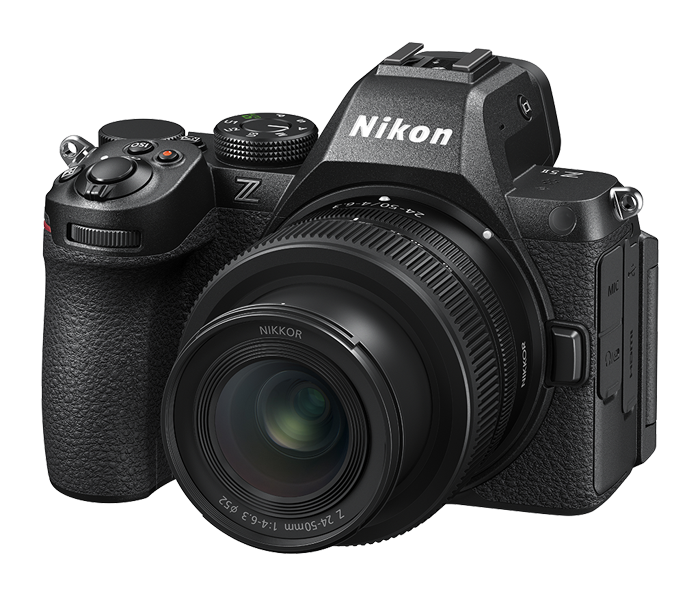
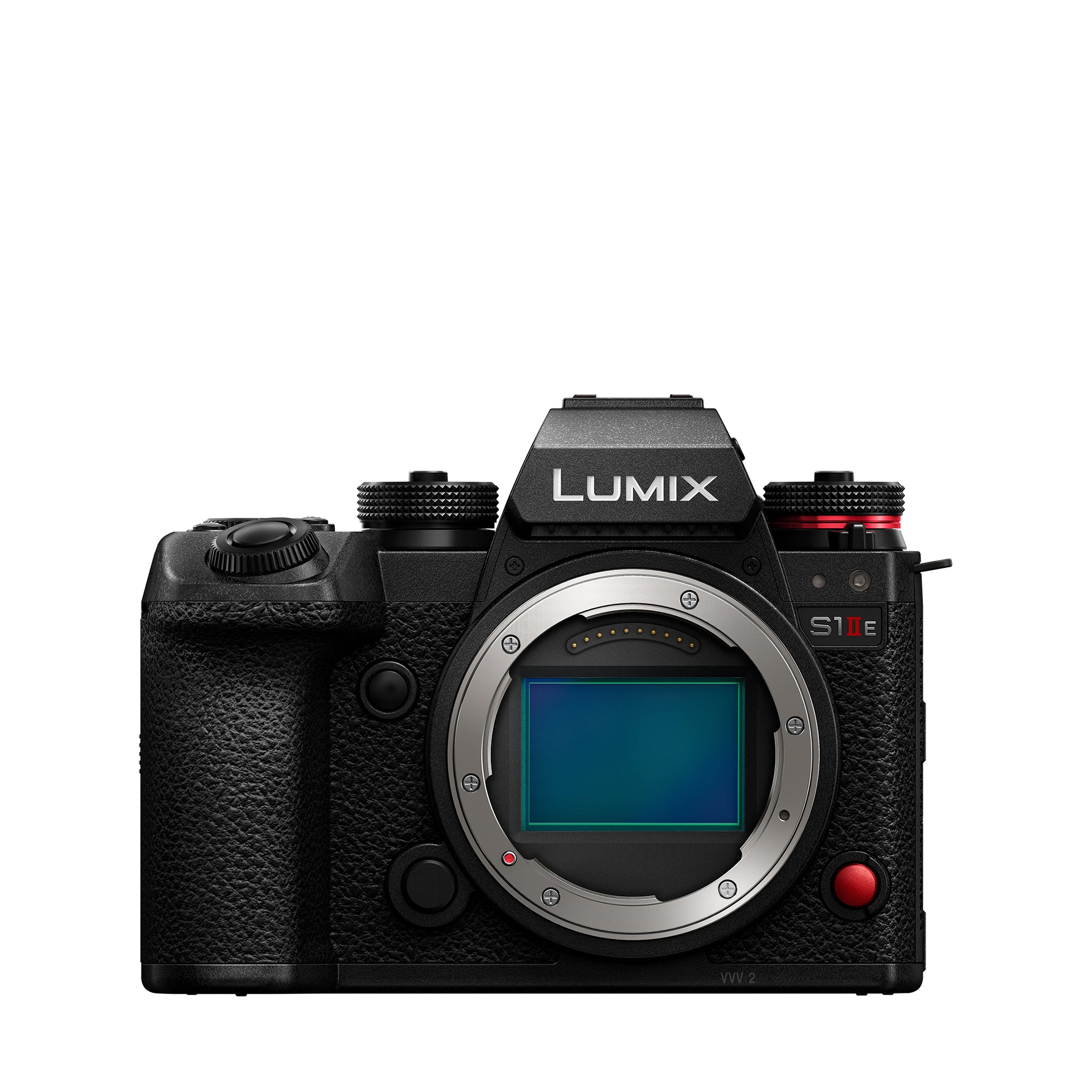
The Nikon Z5II and Panasonic S1 II E are two formidable full-frame mirrorless cameras that attract both enthusiasts and professionals alike. With the increasing popularity of mirrorless systems, these cameras are often compared due to their similar specifications and target markets. Photographers and videographers who are keen on versatile features and adaptability in various shooting conditions may find themselves weighing the pros and cons of each model. Key differentiators include video capabilities, autofocus performance, battery life, and ergonomics, which can significantly influence the decision depending on the user's needs and preferences.
Specifications Comparison
Detailed Comparison
Image Quality
Both the Nikon Z5II and the Panasonic S1 II E are equipped with full-frame sensors, contributing to exceptional image quality with rich colors and detail. The Z5II has a resolution of 24 megapixels, while the S1 II E marginally exceeds this with a 24.1-megapixel sensor. In real-world terms, the difference in megapixels is negligible; however, color reproduction and dynamic range can vary based on processing. The Nikon Z series is known for its excellent high-ISO performance, making it a strong contender for low-light photography, while the S1 II E's sensor also performs admirably in this regard. Overall, both cameras are capable of producing stunning images in various lighting conditions, but some users may prefer the slight edge in low-light performance and colors from Nikon's processing algorithms.
Autofocus System
The Nikon Z5II features an impressive autofocus system with a total of 299 autofocus points, which include face and eye detection, providing reliable performance for capturing moving subjects or portraits. The camera's autofocus is robust and generally regarded as user-friendly, making it suitable for both still photography and video. In contrast, the Panasonic S1 II E offers a maximum burst speed of 30 fps, allowing for rapid shooting, paired with its autofocus capabilities which are effective but not as extensive in point coverage as the Z5II. However, the S1 II E's faster frame rate can help capture fleeting moments that might be missed with the Z5II. Therefore, while both systems are competent, the Nikon has a slight advantage in terms of versatility and point density.
Video Capabilities
When it comes to video capabilities, the Panasonic S1 II E outshines the Nikon Z5II significantly. The S1 II E supports a range of video resolutions, including 5.9K at 60p and 4K at 120fps, making it a compelling choice for videographers seeking high-quality footage and professional-grade options. In comparison, the Nikon Z5II records up to 4K at 60p, which, while excellent, does not match the flexibility and depth of the video features offered by the S1 II E. Additionally, Panasonic's reputation in the video realm, bolstered by its extensive video-specific features, makes the S1 II E a better fit for those primarily focused on video production or hybrid shooting. The S1 II E stands out as a better option for users with serious videography needs.
Build & Ergonomics
Both cameras are well-built and designed for durability, featuring weather sealing to protect against harsh environments. The Nikon Z5II has a compact and lightweight design, which enhances portability for travel photographers. It weighs 700 grams, making it a comfortable option for extended handheld shooting. The S1 II E, on the other hand, balances its robust build with a heavier weight, emphasizing professional ergonomics that may be preferable for studio and static shooting, especially when paired with heavier lenses. The S1 II E possesses a more extensive grip and control layout that some users may prefer for usability over long sessions. While both designs are functional, ergonomics can be subjective based on user preference, with the Nikon being slightly more portable and the Panasonic leaning toward comfort in operation.
Battery & Storage
The Nikon Z5II boasts a battery life of approximately 330 shots per charge, which can be seen as a disadvantage for extensive shooting days compared to the Panasonic S1 II E. The S1 II E offers a more robust battery performance, typically lasting longer on a single charge, particularly when taking into consideration its advanced video features which tend to consume more power. In terms of storage, both cameras support dual memory card slots, allowing flexibility in file management and storage space for high-resolution photos and videos. However, the S1 II E's longer battery life ultimately tips the scales in favor of its endurance capabilities during intensive shoots.
Value for Money
With a price point of $1,699, the Nikon Z5II is positioned as an enticing option for photographers seeking a full-frame experience without breaking the bank. In contrast, the Panasonic S1 II E's pricing is generally higher due to its advanced video features and professional appeal. Budget-conscious users might find the Z5II a better investment if their primary focus is still photography or if they're just beginning their foray into full-frame cameras. However, for users who prioritize video and adaptability in demanding shooting scenarios, the additional investment in the S1 II E can yield greater long-term value. When considering overall value, the choice may hinge on the specific needs of the user.
Our Verdict
In conclusion, the Panasonic S1 II E emerges as the overall winner, especially for users heavily focused on video capabilities and versatility. Its superior video specifications and solid performance make it an excellent choice for professional videographers. However, the Nikon Z5II is a remarkable contender, particularly for those leaning towards still photography with a preference for user-friendly autofocus and budget-friendly pricing. For photographers who value simplicity and excellent image quality in stills, the Z5II remains a strong candidate. Ultimately, the best choice depends largely on an individual's specific needs and shooting style.