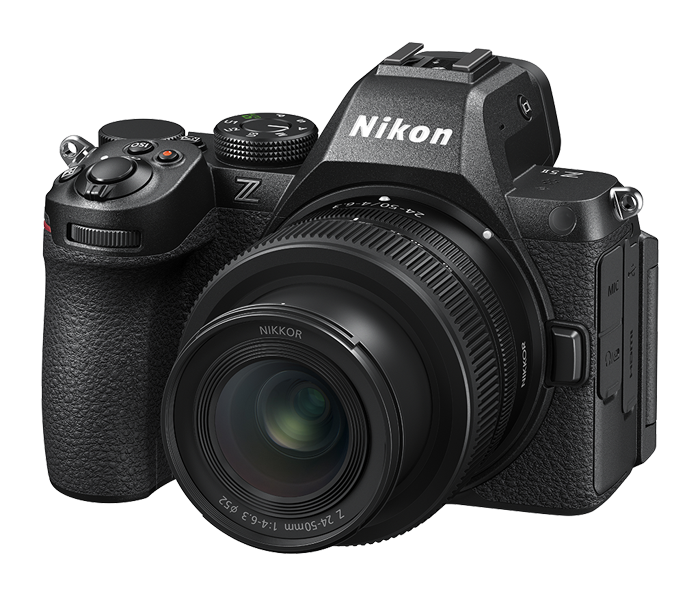
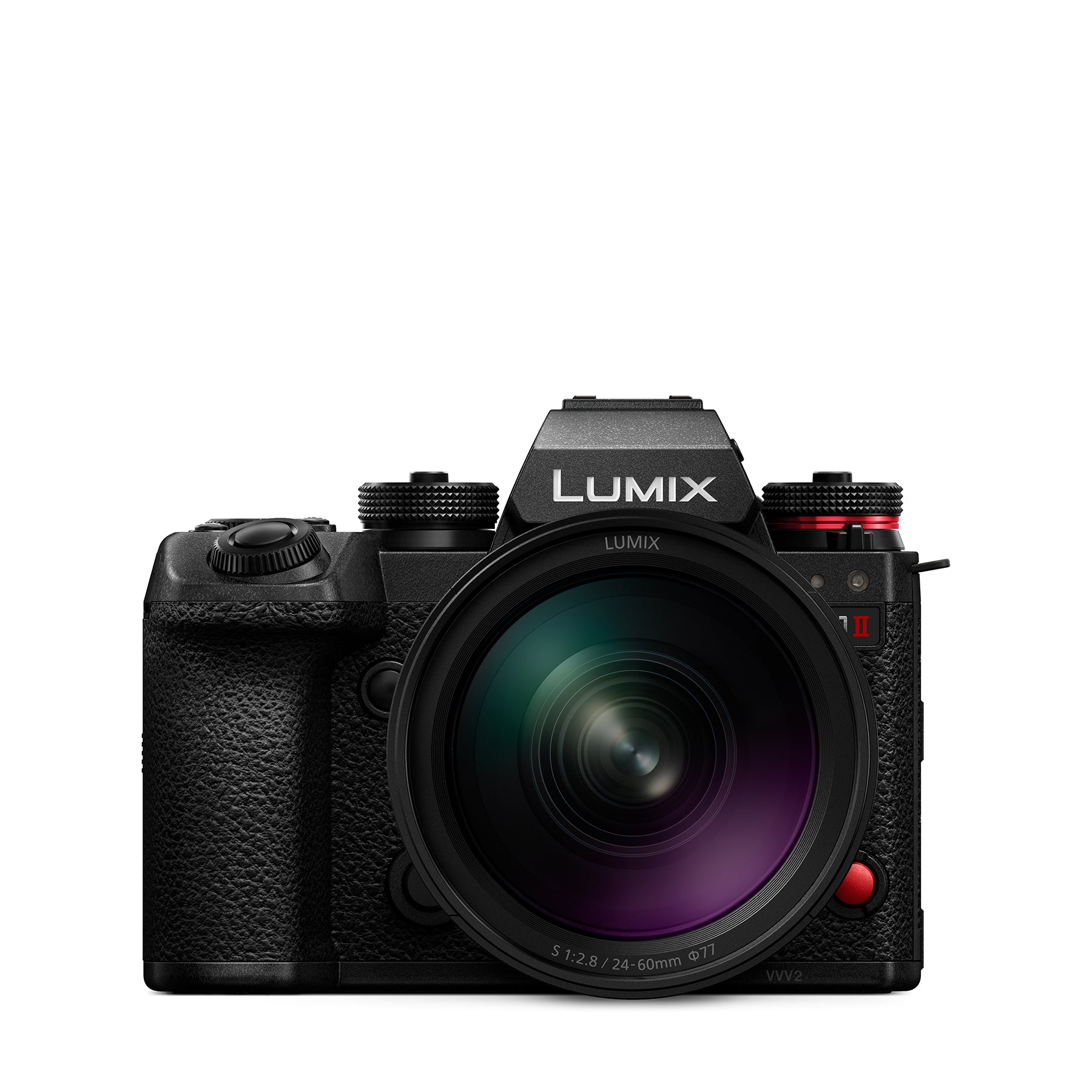
The Nikon Z5II and Panasonic S1 II are two compelling full-frame mirrorless cameras that cater to both enthusiasts and professional photographers alike. While both models offer exceptional image quality and robust features, they appeal to slightly different audiences. The Z5II, anticipated to be released in 2025, is primarily targeted toward photographers who prioritize versatility in photography and video, while the S1 II, launched in 2023, leans more towards videographers with its superior video capabilities. Considering aspects such as performance, ergonomics, and functionality will help buyers understand which model better meets their needs.
Specifications Comparison
Detailed Comparison
Image Quality
Both the Nikon Z5II and Panasonic S1 II are equipped with high-quality full-frame sensors, with the Z5II featuring a 24MP sensor, while the S1 II has a slightly higher resolution at 24.1MP. In terms of color accuracy and dynamic range, users have found the Nikon Z series to perform well, with excellent color reproduction under various lighting conditions. The Z5II's sensor promises consistency, making it a strong candidate for still photography. On the other hand, the S1 II also delivers remarkable image quality, but it includes newly developed image processing features that enhance detail and color performance in challenging shooting scenarios. Both cameras provide outstanding low-light performance, although some users prefer the aesthetic of the images produced by Z series cameras, leaning slightly towards Nikon for portrait photography. Therefore, while the differences in image quality are marginal, the Z5II might offer a slight edge in practical terms for still photography enthusiasts.
Autofocus System
The autofocus systems differ significantly between the two models. The Nikon Z5II boasts a comprehensive 299-point autofocus system, which allows for precise subject tracking and quick focus acquisition. This makes it well-suited for capturing fast-moving subjects, such as in sports or wildlife photography. The S1 II, although not listed with the exact number of autofocus points, employs a highly advanced contrast-detect system combined with phase detection that also excels in varied lighting conditions, making it efficient in achieving sharp focus. However, many users report that the Z5II's autofocus is faster and more reliable, especially when paired with Nikon's lenses designed to take full advantage of its AF capabilities. Therefore, for fast-paced photography scenarios, the Nikon Z5II leads in autofocus performance.
Video Capabilities
For videographers, the Panasonic S1 II clearly stands out with its 5.1K video resolution at 60 frames per second, which is remarkable for high-end video production. This capability caters to professional filmmakers looking for high resolution and quality. The Z5II, while offering 4K at 60p, falls short in comparison to the resolution provided by S1 II. Furthermore, the S1 II's additional video features such as advanced V-Log support and higher bitrates allow more flexibility in post-production, giving filmmakers greater creative control. The Z5II's video stabilization is robust at 7.5 stops, but the slight advantage in stabilization provided by the S1 II, rated at 8 stops, reinforces its position for videographers. Thus, in terms of video capabilities, the Panasonic S1 II excels as the superior choice.
Build & Ergonomics
When it comes to build quality, both cameras exhibit rugged designs and weather sealing suitable for outdoor use. The Nikon Z5II weighs 700g, making it slightly heavier than the S1 II, although specifications do not mention the final weight for the Panasonic model. The Z5II features a classic ergonomic design that feels comfortable for extended shooting sessions, while the S1 II holds a more compact build, which can be advantageous for photographers who demand portability. The Z5II also offers a high-resolution electronic viewfinder and an adjustable touch screen. In contrast, the S1 II includes a tilt-and-swivel screen that appeals to vloggers and content creators. Overall, while both cameras are well-designed, the choice may come down to personal preference regarding size and handling.
Battery & Storage
Battery life is another crucial factor for photographers and videographers. The Nikon Z5II has an impressive battery life of approximately 330 shots per charge, which is commendable for a full-frame mirrorless camera. The Panasonic S1 II's battery performance is not specified, but past models in the series are known for offering decent battery life, though typically not as long as Nikon's. Both cameras utilize dual-card slots, allowing for extended shooting sessions and flexible storage solutions, but the Z5II's higher specified battery life gives it an edge in situations where access to charging facilities might be limited. Thus, for those needing longer shooting durations without frequent battery changes, the Z5II is the preferable option.
Value for Money
With a price point of $1699, the Nikon Z5II provides competitive features alongside its full-frame capabilities, making it an attractive option for photographers seeking quality without breaking the bank. The S1 II's pricing might vary based on its specific features and additional video capabilities, but the higher video resolution and robust performance may justify a higher price for seasoned videographers. However, for those primarily focused on still photography, the Z5II offers exceptional value considering its autofocus and battery life advantages. Therefore, while both models have their merits in terms of their respective price points, the Nikon Z5II tends to be the more balanced option for general use.
Lens Ecosystem
The lens ecosystem is vital when considering a camera system. The Nikon Z mount has an expanding selection of native lenses that offer great performance for various photography genres. As more lenses are developed for the Z series, users will find it easier to pair the Z5II with high-quality glass, enhancing overall image quality. Conversely, Panasonic's L mount, shared with Leica and Sigma, provides a healthy selection of high-end lenses, especially suited for videography, but the options may not be as extensive or versatile as Nikon's lineup. Therefore, those who may prioritize lens diversity and availability might find the Nikon Z5II's system more appealing.
Our Verdict
In the overall comparison, the Nikon Z5II emerges as the winner due to its strengths in autofocus performance, battery life, and the value it provides for still photographers. Although the Panasonic S1 II offers superior video resolution and features aimed at videographers, the Z5II maintains a well-rounded appeal for those prioritizing versatile photography capabilities. Long-term photographic investments may strongly benefit from Nikon's growing lens ecosystem and solid performance across varied conditions. Thus, for consumers torn between still photography and an inclination toward video, the Z5II presents a balanced choice that excels in both areas while being slightly more value-oriented.
Nikon Z5II
Panasonic S1 II
Also Compare
Frequently Asked Questions
Which camera is better for still photography?
The Nikon Z5II is generally considered better for still photography due to its superior autofocus system and excellent color performance.
Is the Panasonic S1 II worth the extra cost for videography?
Yes, the Panasonic S1 II offers higher video resolution and more advanced video features, making it a worthy investment for serious videographers.
How does battery life compare between the two cameras?
The Nikon Z5II offers better battery life at approximately 330 shots, while the Panasonic S1 II's battery performance is generally good but may not last as long.
What lens options are available for each camera?
The Nikon Z5II has an expanding range of native Z mount lenses, while the Panasonic S1 II benefits from the L mount shared with Leica and Sigma, providing high-quality lenses but potentially fewer options.
Are both cameras weather-sealed?
Yes, both the Nikon Z5II and Panasonic S1 II are weather-sealed, ensuring durability in varied environmental conditions.