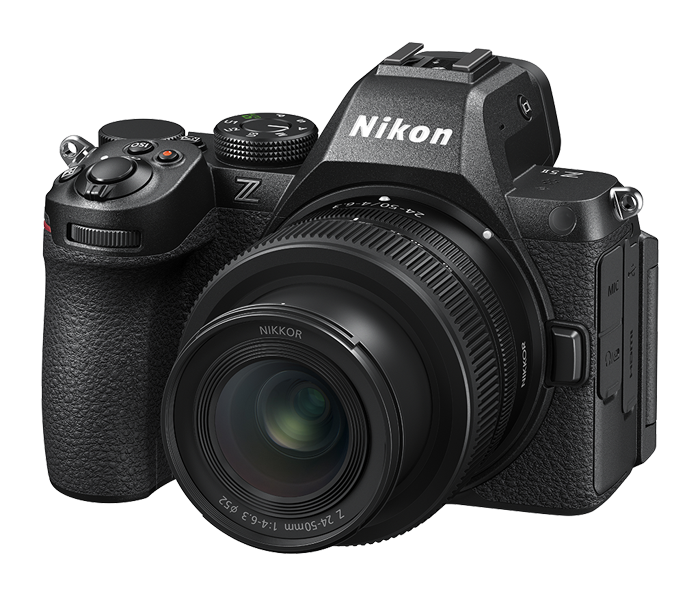
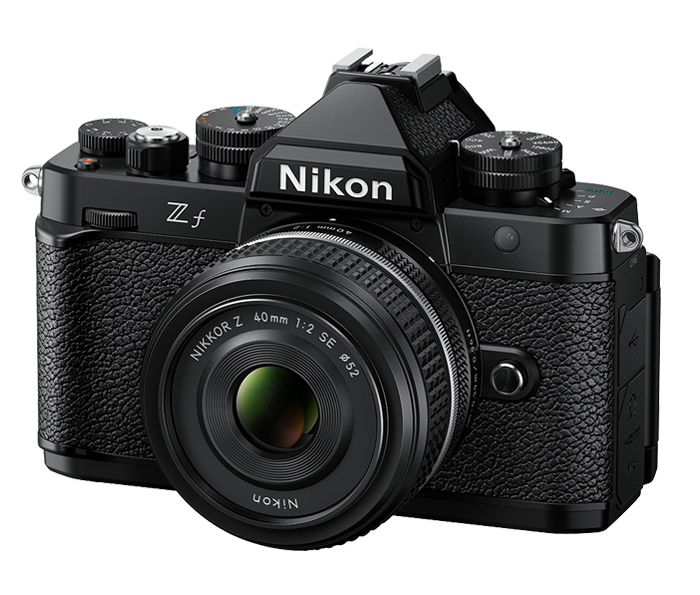
The Nikon Z5II and Nikon Zf are two highly regarded full-frame mirrorless cameras from Nikon, often compared due to their comparable features and targeted user base. Both cameras are designed for enthusiasts and professionals seeking high-quality imaging capabilities, robust build, and versatile performance. Photographers might find themselves deliberating between these two models due to their overlapping specifications and slightly different design philosophies.
Specifications Comparison
Detailed Comparison
Image Quality
Both the Nikon Z5II and Nikon Zf boast full-frame sensors that provide impressive image quality. The Z5II features a 24-megapixel sensor, while the Zf offers slightly more resolution with a 25-megapixel sensor. The difference in megapixels is marginal, but it may appeal to those wanting slightly more detail in their photos. Both cameras perform exceptionally well in low-light settings, delivering clean images with minimal noise at higher ISO settings.
Additionally, both models support RAW and JPEG formats, giving photographers flexibility in post-processing. The similarities in sensor performance mean that both cameras yield vibrant colors and detailed dynamic ranges. However, the Zf's slightly higher resolution can offer a bit more leeway for cropping without loss of detail. Ultimately, both cameras are commendable for image quality, with each suited to different photographic needs depending on the slight advantage of resolution in the Zf's favor.
Autofocus System
In terms of autofocus capabilities, the Nikon Z5II features 299 autofocus points compared to the Zf's 273 points. This discrepancy may suggest that the Z5II has a slight edge in coverage, potentially improving focus accuracy, especially in fast-moving scenes. Despite the lower number of points, both systems utilize phase detection and are capable of continuous tracking, making them reliable for action photography.
Moreover, both models share similar focusing speed, with a maximum continuous shooting speed of 14 fps. This performance is solid for both stills and video. While the Z5II's greater number of autofocus points offers a minor advantage, in practical terms, both cameras deliver excellent autofocus performance that will satisfy most users, making this aspect closely contested.
Video Capabilities
When it comes to video capabilities, both the Z5II and Zf are equipped to deliver high-quality 4K video recording at 60 frames per second. This feature is notably attractive for hybrid shooters who seek both still and video capabilities in a single camera. One area where the Zf shines slightly brighter is its 8 stops of in-body stabilization compared to the Z5II's 7.5 stops, offering users improved handholding capability and smoother footage.
Both cameras provide similar video formats, including Nikon's N-Log and HDR options, making them versatile tools for videographers. Since both models have nearly identical max video resolutions and frame rates, the nuanced enhancement in stabilization on the Zf could make a meaningful difference in dynamic shooting scenarios, positioning it slightly ahead in video performance overall.
Build & Ergonomics
The build quality of both the Nikon Z5II and Zf is robust, with weather-sealing that protects them from dust and moisture, making them reliable companions for outdoor shooting. However, the Zf has a more compact design due to its dimensions (144 x 103 x 49 mm) compared to the Z5II (134 x 101 x 72 mm), although it weighs slightly more at 710g versus the Z5II's 700g.
The ergonomics of both cameras are also a strong point, featuring comfortable grips and accessible controls for quick adjustments. Users accustomed to traditional DSLR aesthetics may find the Zf's layout appealing, as it draws inspiration from classic designs. Although both models feel great in hand, the aesthetic preference may appeal to different audiences, making this section a subjective comparison of comfort and style.
Battery & Storage
Battery life is another crucial consideration for photographers on the go. The Nikon Z5II offers a battery life rated for approximately 330 shots, while the Zf extends that life to 380 shots, providing users with an additional buffer during extensive shoots. This extra battery performance could be advantageous for event photographers or anyone requiring long hours of shooting without interruption.
Both cameras utilize the same Nikon Z battery platform, and their SD card slots offer dual compatibility, allowing the ability to overflow or backup during large shoots. Overall, the Zf's improved battery life makes it a more reliable choice for those who frequently shoot in dynamic environments or during longer sessions.
Value for Money
In terms of value, the Nikon Z5II is priced at $1699, while the Zf comes in at $1999. The Z5II's lower price could attract more budget-conscious buyers seeking a feature-rich full-frame camera without the added expense. When considering the performance for the price, the Z5II provides great value, especially for amateurs and aspiring professionals.
On the other hand, the Zf, while more expensive, offers enhanced specifications that may justify the higher price for serious photographers and videographers who prioritize the incremental benefits in image quality, stabilization, and battery life. Buyers will need to weigh the value of the features and how they align with their specific photography or videography needs.
Our Verdict
While both the Nikon Z5II and the Zf offer excellent image quality and autofocus capabilities, the Zf ultimately edges ahead due to its superior video stabilization, marginally improved battery life, and slightly higher megapixel count. However, the Z5II is an incredible value for money and ideal for users who don't require the added features of the Zf. Users focused more on functionality and what fits best in their shooting regime will benefit most from the Zf's capabilities, while those on a budget might find the Z5II more appealing as a well-rounded performer.
Nikon Z5II
Nikon Zf
Also Compare
Frequently Asked Questions
Which camera is better for low-light photography?
Both the Nikon Z5II and Zf perform excellently in low-light conditions due to their full-frame sensors. The choice between them may come down to other factors, as both deliver quality results.
How do the video features compare?
Both cameras can record 4K video at 60 fps, but the Zf includes enhanced stabilization, which makes it a better option for videographers.
Is the Z5II worth the lower price?
Yes, the Z5II offers great features for its price and is well-suited for those looking for solid performance without needing the additional enhancements of the Zf.
Which camera has better autofocus?
The Z5II has a slight advantage with more autofocus points, but both systems perform well in various shooting conditions.
What is the battery life difference?
The Nikon Zf has approximately 380 shots on a full charge, while the Z5II is rated for about 330 shots.
Which camera is more compact?
The Z5II is slightly smaller than the Zf, which may appeal to users looking for a more portable option.