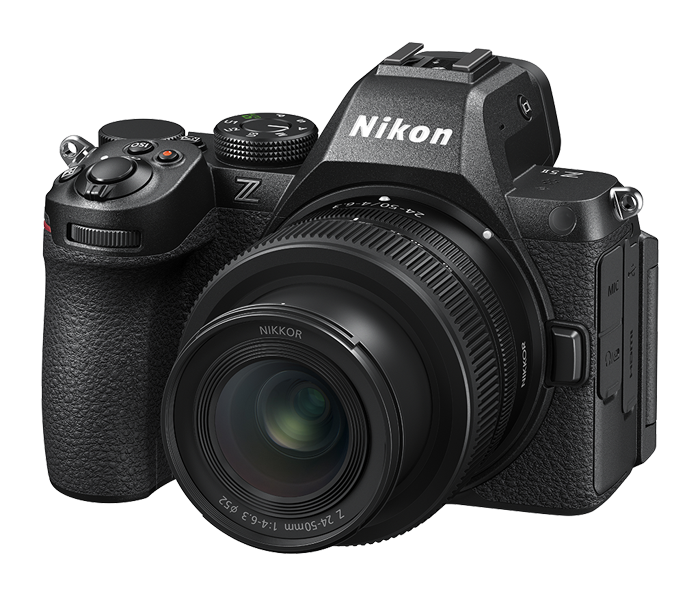
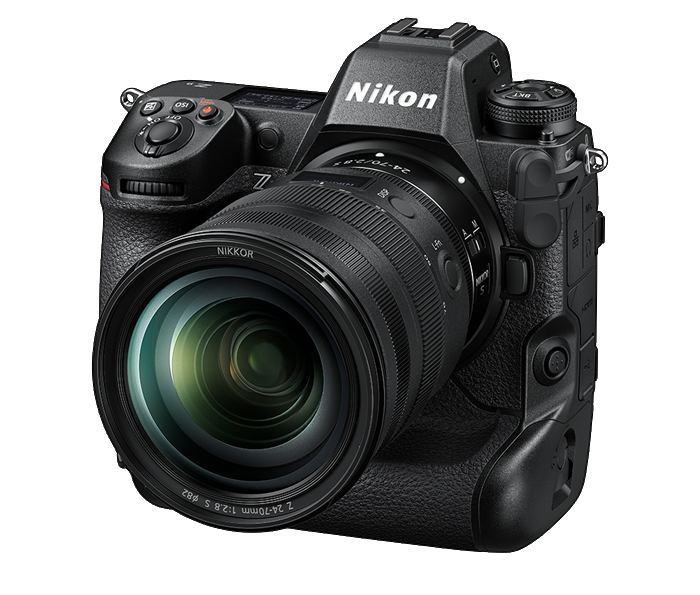
The Nikon Z5II and Nikon Z9 represent two distinct tiers in Nikon's mirrorless lineup, yet they're often compared by photographers looking to invest in a high-quality full-frame camera. The Z5II, as a recent mid-range release, caters to enthusiasts and professionals seeking a blend of performance and value, while the flagship Z9 is targeted at demanding professionals requiring the absolute best in speed, resolution, and versatility. Buyers may find themselves deliberating between the two when evaluating features, future-proofing, and budget constraints.
These cameras share Nikon's Z-mount and similar full-frame sensor sizes, but they diverge dramatically in performance, ergonomics, and price. The Z9 commands almost triple the price of the Z5II, justifying it with significant upgrades in autofocus, burst rates, video specs, and body design. The key differentiators boil down to specialized requirements: serious action, sports, or wildlife shooters gravitate toward the Z9, while travel and event photographers, or those with budget limitations, may find the Z5II more appealing.
Specifications Comparison
Detailed Comparison
Image Quality
Both the Nikon Z5II and Z9 use a full-frame (35.9 x 23.9 mm) sensor, but there is a clear difference in their resolution and intended use. The Z5II offers 24 megapixels, producing sharp, detailed images that are ideal for everyday photography, travel, and most professional work. This resolution is sufficient for large prints and offers manageable file sizes for efficient workflow.
The Z9, on the other hand, boasts a 46-megapixel sensor, offering nearly double the resolution. This is particularly advantageous for landscape, studio, and commercial photographers who need extreme detail, large-format prints, or frequent cropping flexibility. However, higher megapixels results in larger files, which can be taxing on storage and editing computers.
Both cameras will deliver excellent dynamic range and color science, as expected from Nikon. In low-light scenarios, the Z9 holds a slight advantage due to its newer sensor technology and advanced image processing, although the Z5II's larger pixel pitch might provide some benefit in certain situations.
Overall, the Z9's higher resolution and sensor performance make it the clear winner for those prioritizing absolute image quality, while the Z5II still delivers impressive results for most practical applications.
Autofocus System
The Z5II features a solid autofocus system with 299 points, suitable for general photography, portraits, and certain action scenarios. It provides reliable face and eye detection, making it well-suited for events and travel photography where versatility is important.
The Z9, however, is a significant leap forward with 493 autofocus points, sporting Nikon's latest subject detection algorithms, deep learning AF, and industry-leading tracking for people, animals, and even vehicles. This system is designed for uncompromising speed and reliability, especially in fast-paced environments like sports, wildlife, and journalism. The significantly higher number of points and smarter subject tracking allow for accurate focus across almost the entire frame, even with erratic subjects.
While the Z5II performs admirably for its class, it cannot match the advanced AI-driven autofocus and comprehensive coverage of the Z9. Users who photograph action, fast movement, or require critical autofocus reliability will see a marked advantage with the flagship body.
Video Capabilities
Video is now a critical factor for many buyers, and both cameras accommodate hybrid shooters, yet with clear distinctions. The Z5II supports 4K at up to 60p, allowing for smooth, detailed footage and simple slow-motion effects. Its in-body stabilization system offers an impressive 7.5 stops, reducing shake when recording handheld, especially beneficial for on-the-go videography or vlogging.
The Z9, designed with filmmakers in mind, sets itself apart with 4K at an incredible 120p, unlocking advanced slow-motion options and high-speed action capture. It features a robust array of professional video tools, including ProRes and RAW options, higher bitrates, superior heat management for longer recording times, and advanced focus and audio controls. Its stabilization, though rated at 6 stops, is still excellent but not quite as highly specced as the Z5II on paper.
For casual videographers, the Z5II is capable and easy to use. However, for serious content creators, documentary filmmakers, or anyone prioritizing cutting-edge video features and flexibility, the Z9 is the undisputed leader.
Build & Ergonomics
Physically, these cameras are quite different. The Z5II adopts a compact and lightweight design (700g, 134 x 101 x 72 mm), making it far easier to travel with and less burdensome for daylong shoots or one-handed use. Its weather sealing allows for confident use in challenging environments, and its electronic viewfinder and fully-articulating, high-resolution screen facilitate varied shooting angles.
The Z9 is substantially larger and heavier (1340g, 149 x 150 x 91 mm). It offers a pro-grade, integrated vertical grip for better balance with large lenses, longer battery life, and more robust controls, all weather-sealed for the most demanding conditions. The build quality caters to heavy, sustained professional use, including adverse weather and daily rigors.
For users needing portability or who often work handheld for long periods, the Z5II is a clear favorite. On the other hand, those prioritizing durability, balance with long telephoto lenses, or who need the ergonomic advantages of a flagship body (dual shutter buttons, custom controls, etc.) will prefer the Z9.
Battery & Storage
Battery endurance and storage options play critical roles, especially for active or professional shooters. The Z5II, with a rated battery life of 330 shots per charge, caters mostly to day trips or casual sessions, and users may need extra batteries for extended use. Its single storage slot design (not specified but standard for the class) may limit high-volume or mission-critical professional work.
By contrast, the Z9's robust body housing enables a much larger battery rated at 740 shots per charge. This ensures worry-free shooting during events, sports, or expeditions. Additionally, the Z9 typically includes dual card slots supporting fast cards for simultaneous backup or overflow, crucial for professionals who cannot afford data loss or pauses during high-speed shooting or 8K video capture.
For professionals or power users, the Z9's stamina and storage flexibility are essential. For lighter or casual shooters, the Z5II's limitation is less critical but notable.
Value for Money
With a US retail price of $1,699, the Nikon Z5II stands as an incredibly well-rounded and accessible entry point to full-frame photography. It brings strong performance, in-body stabilization, weather sealing, and modern ergonomics at a fraction of the cost of the Z9. For many enthusiasts and professionals who do not require the utmost performance in every aspect, the Z5II represents excellent value and a smart investment.
The Nikon Z9, at $5,500, is a significant financial commitment. While it offers state-of-the-art imaging, autofocus, and video solutions, its price is justifiable only for those who truly need its advanced features. For typical hobbyists or those with less focus on demanding action or pro video, the Z9's capabilities are often overkill.
Thus, buyers seeking the best overall value will generally favor the Z5II unless their work specifically demands the Z9's unrivaled technical edge.
Our Verdict
Overall, the Nikon Z9 wins the comparison in terms of absolute performance, versatility, and technical prowess. It provides unmatched resolution, autofocus reliability, video capability, and professional durability, making it the top choice for critical sports, wildlife, and commercial photography, as well as high-end video production. For professionals who require these features and can justify the price, the Z9 is a worthy investment. However, the Nikon Z5II stands out as an exceptional value, delivering most of the core benefits of Nikon's mirrorless system at a much more accessible price point. It is the top pick for enthusiasts, travel shooters, event photographers, and even many professionals who prioritize weight, budget, and all-round capability over specialized high-speed or high-resolution needs. The Z5II brings full-frame quality, effective stabilization, and modern ergonomics to a wider audience-making it a smart, cost-effective entry into the Nikon Z system.
Nikon Z5II
Nikon Z9
Also Compare
Frequently Asked Questions
Is the Nikon Z9 worth the price premium over the Z5II?
The Z9 justifies its higher price for professionals and advanced users who need the best in autofocus, resolution, durability, and video production. For most enthusiasts and many working photographers, the Z5II is more than sufficient and far more cost-effective.
Which camera is better for travel and everyday use?
The Nikon Z5II is lighter, more compact, and easier to carry for long periods-ideal for travel, street, and daily photography. The Z9's size and weight make it more challenging as a travel companion.
How do the video capabilities compare between the Z5II and Z9?
The Z9 offers superior video performance with 4K 120p, advanced codecs, and professional features, making it a top choice for filmmakers and serious content creators. The Z5II provides solid 4K 60p video and excellent stabilization for casual or intermediate video work.
Which has better autofocus for sports and wildlife?
The Nikon Z9 is in a different league, with a sophisticated, AI-driven autofocus system featuring 493 points and fast subject tracking designed for action, sports, and wildlife. The Z5II's autofocus is reliable but best for general photography.
Are both cameras compatible with all Nikon Z lenses?
Yes, both use the Nikon Z mount and are fully compatible with all Nikon Z lenses. Performance differences may arise from body-based features like autofocus and stabilization, but lens compatibility is identical.
How do battery life and storage differ between the Z5II and Z9?
The Z9 offers much longer battery life (740 vs. 330 shots) and additional storage flexibility with dual card slots, making it better suited for intensive, long-duration shoots and professional demands.