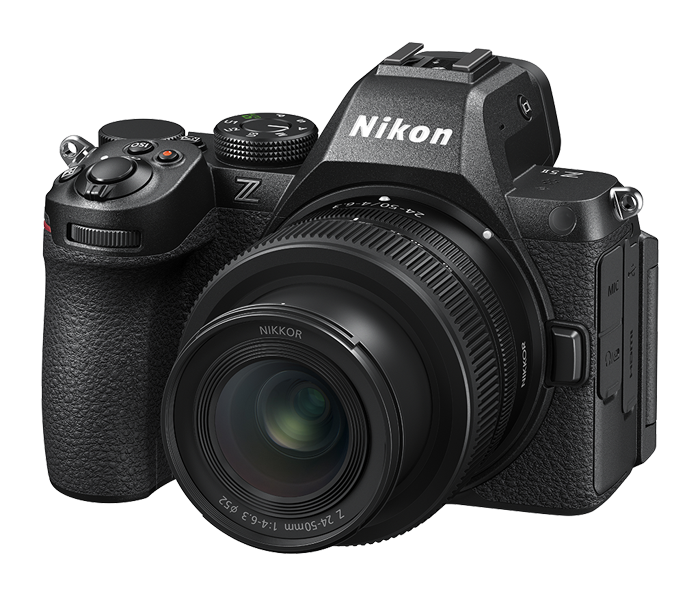
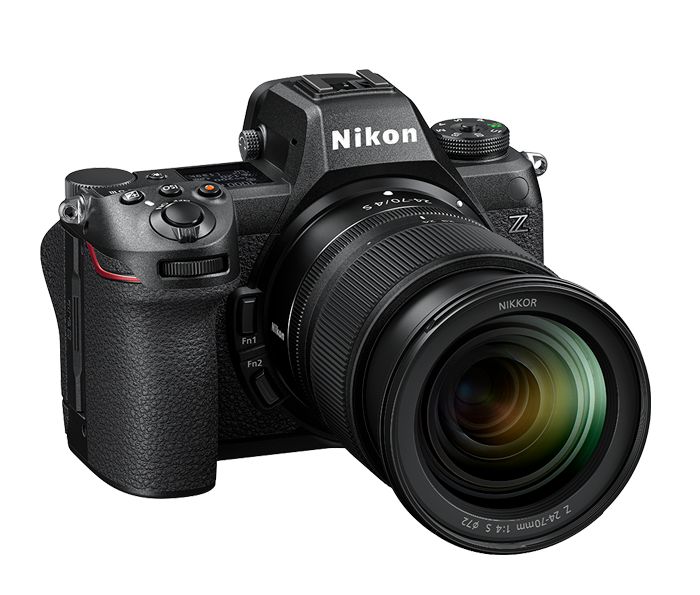
The Nikon Z5II and Z6III are both part of Nikon's full-frame mirrorless camera lineup, frequently compared by photography enthusiasts and professionals alike. They stand out due to their robust feature sets and user-friendly interfaces, making them appealing choices for those looking to step into full-frame photography. Buyers often find themselves choosing between these two models based on specific needs such as image quality, autofocus, video capabilities, and overall value, and each camera brings unique advantages to the table that cater to different types of shooters.
Specifications Comparison
Detailed Comparison
Image Quality
Both the Nikon Z5II and Z6III sport a full-frame sensor that delivers stunning image quality, albeit with slight differences in their specifications. The Z5II features a 24-megapixel sensor, which is excellent for general photography and provides ample resolution for most needs. In contrast, the Z6III offers a marginally higher resolution at 25 megapixels, which may provide a slight edge in detail retention, particularly when making large prints or cropping images. Both cameras exhibit excellent dynamic range and color fidelity, ensuring that images come out vibrant and true to life.
When it comes to ISO performance, the Z6III shines brighter with its extended ISO range of 100-64000 compared to Z5II's standard range, allowing for better low-light performance. While the Z5II still performs admirably, especially at lower ISO settings, the Z6III's wider range can be a significant advantage for night-time and indoor photography. This slight distinction can impact users who frequently shoot in challenging lighting conditions.
Thus, while both cameras deliver superb image quality suitable for various scenarios, the Z6III's higher megapixels and ISO capabilities grant it a slightly broader spectrum of use. However, both will satisfy the needs of most photographers.
Autofocus System
The autofocus capabilities of a camera can greatly influence the shooting experience, especially for moving subjects or in dynamic environments. The Nikon Z5II features 299 focus points, which provides a robust system for tracking subjects as they move through the frame. However, the Nikon Z6III, with its 273 autofocus points, features an advanced phase-detect autofocus system that generally offers faster and more accurate focus acquisition in challenging lighting conditions.
The Z5II leverages its additional autofocus points to handle a wider scope of subjects effectively, but the Z6III's implementation of autofocus technology shines when it comes to subject reliability. Moreover, both cameras support eye-detection AF, which is beneficial for portrait photographers. The notable distinction is that while both have reliable systems, in practice, the Z6III seems to have the upper hand in high-speed scenarios thanks to its superior performance across a range of lighting conditions.
In summary, while both autofocus systems are effective and user-friendly, the Z6III delivers slightly more advanced technology that may appeal to photographers who value fast and precise focusing in varying conditions.
Video Capabilities
For videographers, both the Nikon Z5II and Z6III support impressive video features, but they differ in their maximum video resolutions and frame rates. The Z5II can shoot 4K at 60 frames per second, allowing for high-quality video output with fluid motion. However, the Z6III also supports 4K video, though its maximum frame rate extends beyond the Z5II, providing users with more creative flexibility and options for slow-motion effects.
Additionally, the Z6III supports a higher bitrate and smoother internal recording formats, appealing to those who prioritize video production quality. The advanced video specifications, including improved heat dissipation and longer recording times, position the Z6III as a more capable option for serious filmmakers. The Z5II, while competent, may be better suited for users who need a camera that handles basic video requirements rather than advanced cinema shooting.
Overall, the Z6III provides more robust features for videography enthusiasts, making it the preferred option for those who frequently shoot video.
Build & Ergonomics
Both cameras share a similar design ethos, featuring weather-sealed, robust bodies that can withstand challenging outdoor conditions. The Nikon Z5II weighs in at 700 grams, making it slightly lighter than the Z6III at 760 grams. For users planning extended shooting sessions, this difference in weight may lead to increased comfort for the Z5II user.
In terms of dimensions, the Z5II is a tad smaller-measuring 134 x 101 x 72 mm compared to the Z6III's 139 x 102 x 74 mm. While the differences are marginal, they can contribute to slightly easier handling and portability with the Z5II. Both cameras are equipped with electronic viewfinders and responsive touch screens, providing a modern shooting experience with intuitive navigation.
While neither camera significantly outweighs the other in this aspect, the Z5II offers a slight advantage in portability. Yet, both maintain comfort and durability essential for serious photographers.
Battery & Storage
Battery life is a crucial factor for photographers, particularly when shooting long events or in remote locations. The Z5II has a rated battery capacity of around 330 shots per charge, while the Z6III improves on this with approximately 380 shots. This extended battery life with the Z6III can allow users to shoot for longer periods without needing to swap batteries, making it an essential feature for event or landscape photographers who might not have easy access to a recharge.
Both cameras utilize the same types of memory cards, supporting XQD and CFexpress formats, which are advantageous for high-speed video recording and continuous burst shooting. While storage capacity is equal, the effectiveness of the battery performance leads the Z6III to be more attractive for shooting in demanding scenarios.
In conclusion, the Z6III provides a notable improvement in battery life, making it the go-to option for users who prioritize shooting endurance.
Value for Money
In terms of price, the Nikon Z5II retails at around $1699, making it the more budget-friendly option compared to the Nikon Z6III, which is priced at $2500. For many photographers, especially those just entering into full-frame systems, the Z5II offers a compelling mix of features at a lower price point, maintaining excellent performance across various shooting conditions.
The Z6III, meanwhile, justifies its higher price with advanced features that cater to professionals or semi-professionals who are serious about both photography and videography. Enhanced autofocus, battery life, and videography capabilities create a gap in value that makes the investment worthwhile for those who require superior performance.
Ultimately, while both models deliver solid features, the Z5II provides great value for those who may only need essential capabilities and are more cost-conscious, while the Z6III serves those who require more advanced functionalities and are prepared to invest.
Our Verdict
While both the Nikon Z5II and Z6III have inherited impressive qualities from Nikon's full-frame lineage, the Z6III edges out the Z5II in several areas including image quality, autofocus capabilities, video features, battery life, and overall advanced technology, making it more suitable for serious enthusiasts and professionals. However, for photographers on a budget or those who prioritize portability over the latest features, the Z5II remains an outstanding choice. The ideal selection ultimately hinges on the shooting priorities and budget constraints of the buyer.
Nikon Z5II
Nikon Z6III
Also Compare
Frequently Asked Questions
Which camera is better for beginners?
The Nikon Z5II is generally better for beginners due to its lower price point and elegant handling, allowing new photographers to learn without a significant financial commitment.
Is the Z6III worth the extra cost?
Yes, if you plan to shoot regularly in demanding conditions, require superior video capabilities, or need high-speed autofocus, the Z6III's features may justify the added price.
Are these cameras good for video production?
Both cameras can handle video production well, but the Z6III offers advanced video specifications making it the more robust choice for serious filmmakers.
What are the differences in lens compatibility?
Both cameras share the Nikon Z mount, providing full compatibility with Nikon Z-series lenses. Thus, the lens ecosystem is equivalent for both models.
How does low-light performance compare?
The Z6III has superior low-light performance, thanks to its higher ISO range, making it better suited for night photography compared to the Z5II.