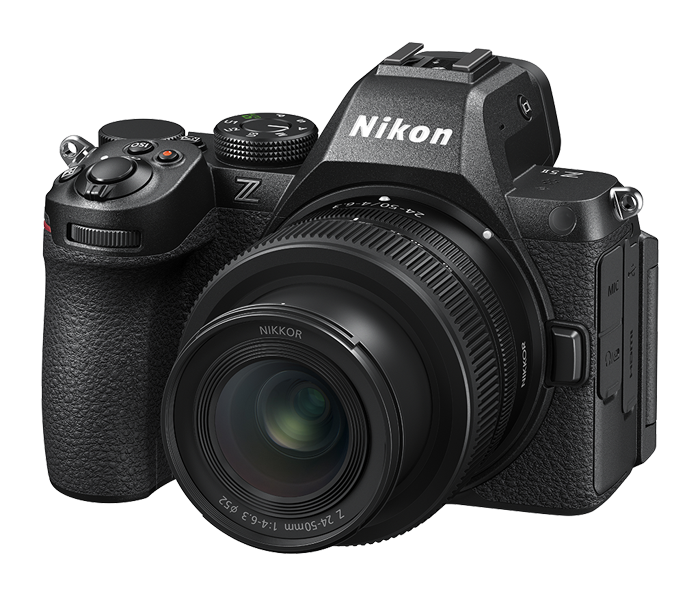
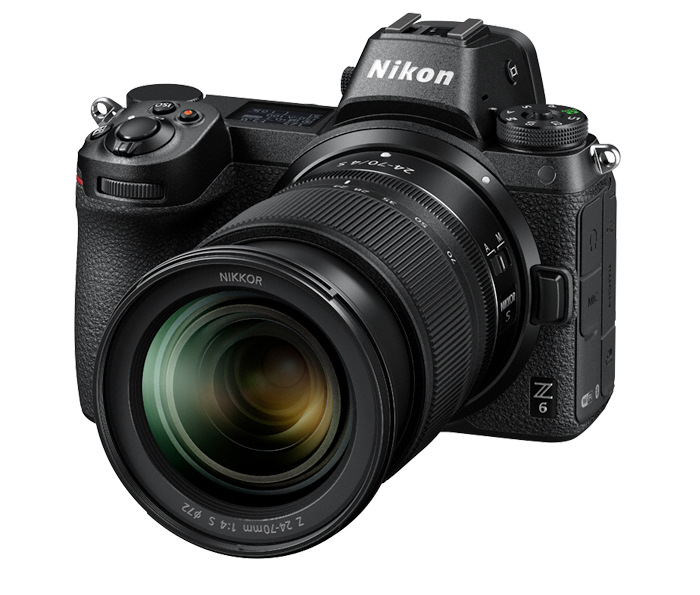
The Nikon Z5II and Nikon Z6 are two full-frame mirrorless cameras from Nikon that attract a range of photography enthusiasts, from hobbyists to professionals. They often come up in comparisons due to their similar build quality, sensor sizes, and capabilities, making them a common choice for those looking to invest in a high-performance camera. Buyers typically evaluate these two models based on their features such as image quality, autofocus systems, and video capabilities, in order to determine which best fits their specific photographic needs.
Key distinguishing factors include the slightly higher megapixel count and advanced video capabilities of the Z5II, which may appeal to videographers, while the Z6 offers a more extensive ISO range and a more established performance in dynamic lighting. The Z5II, being a newer model, introduces some updated technologies that may influence choice, enhancing user experience and feature set in this head-to-head comparison.
Specifications Comparison
Detailed Comparison
Image Quality
Both the Nikon Z5II and Z6 feature a full-frame sensor size of 35.9 x 23.9 mm, ensuring high-quality captures in various lighting conditions. The Z5II comes with a resolution of 24 megapixels, while the Z6 slightly edges ahead at 25 megapixels. However, the difference in megapixels is minimal, and in most real-world scenarios, both cameras will deliver sharp, clear images. The Z6 does, however, have a broader ISO range, allowing it to perform better in low-light situations with less noise, especially when using the expanded ISO settings.
In terms of dynamic range and color reproduction, both cameras are capable of producing vibrant colors and fine details, thanks to their full-frame sensors. Users can expect mostly equivalent image quality, although some may lean towards the Z6 for specific tasks like astrophotography due to its superior low-light performance. Ultimately, in standard shooting conditions, both cameras render excellent quality images that will satisfy most photographers' standards.
Autofocus System
The autofocus systems of both cameras are robust, but they exhibit differences in the number of autofocus points and performance. The Nikon Z5II boasts 299 autofocus points, compared to the Z6's 273 points, offering greater coverage for tracking moving subjects. The Z5II's autofocus system is also enhanced with AI-driven algorithms that improve accuracy in various shooting modes, making it particularly useful for wildlife or sports photography.
Additionally, the Z5II's autofocus works exceptionally well in real-time video shooting and has shown promises of faster acquisition speeds. The Z6, while effective, has a slightly slower acquisition time. Overall, for users who prioritize fast and reliable focusing, especially in dynamic environments, the Z5II has an advantage, making it the more favorable choice for action and event photography.
Video Capabilities
When it comes to video capabilities, the Nikon Z5II has a notable advantage with its 4K recording at 60p. This higher frame rate allows for smoother motion representation, making it an excellent choice for videographers seeking high-quality footage for vlogs or professional videos. The Z6, while still competent, is limited to 4K recording at 30p, which may not meet the demands of all content creators.
Both cameras support N-Log and have HDMI output for external recording, but the Z5II's superior video specs make it more appealing for those focused on videography. Also contributing to the Z5II's edge are its improved image stabilization performance, rated at 7.5 stops compared to the Z6's 5 stops, which helps produce steadier handheld shots during video recording, enhancing the overall video quality.
Build & Ergonomics
In terms of build quality and ergonomics, both the Nikon Z5II and Z6 are designed with weather-sealed bodies, making them durable in challenging shooting conditions. They have similar dimensions: the Z5II is slightly thicker due to a better grip, which can be advantageous during extended shooting sessions. The weight difference is minimal, with the Z5II weighing 700 grams compared to the Z6's 675 grams, resulting in negligible differences in portability.
Both cameras feature the same size and resolution for their LCD screens and electronic viewfinders. This allows for ease of use and a consistent experience when composing shots. When users handle both cameras, many will appreciate how well-balanced they feel in hand, but the difference in grip between models might make the Z5II feel slightly better suited for heavier lenses, which can be a deciding factor for photographers.
Battery & Storage
Battery life is crucial for photographers who often shoot for extended periods, and in this respect, the Z5II holds a slight advantage with a battery life rated for approximately 330 shots, compared to the Z6's 310 shots. This can make a difference during long photo sessions or when shooting events. In terms of storage, both cameras utilize the same Nikon Z mount and support the same types of memory cards, ensuring compatibility with a wide range of existing cards in both formats.
The difference in battery life, although modest, can be significant for professional use. Users may also consider that both models use the same type of battery, so additional batteries can remain interchangeable. As such, both models provide satisfactory options, but the Z5II's higher battery capacity could be a point in its favor for endurance shooting.
Value for Money
Price is a significant determinant when considering a camera upgrade or purchase, and here, the Z5II comes in at $1,699, while the Z6 is priced higher at $1,995. Given that both models have similar features and specifications, the Z5II offers excellent overall value with better video performance and battery life at a lower price point. Buyers looking for capable features at a more competitive price will find the Z5II an enticing option.
The Z6, despite being more expensive, still holds value as it has been proven over time with established reliability and support within the photography community. Those who prioritize slightly higher megapixels and a well-loved user interface may still find the Z6 worth the investment despite the higher cost.
Our Verdict
Overall, the Nikon Z5II emerges as the winner in this comparison, offering advanced autofocus capabilities, superior video specs, and better battery life at a lower price point. These enhancements make it well-suited for both photography and videography enthusiasts. The Z6, while still a strong contender, offers features that may appeal to those needing the extended ISO range and established trust in a proven product but does not provide as much value in terms of price vs. performance balance. Buyers should weigh their specific needs against these strengths to make the best choice.