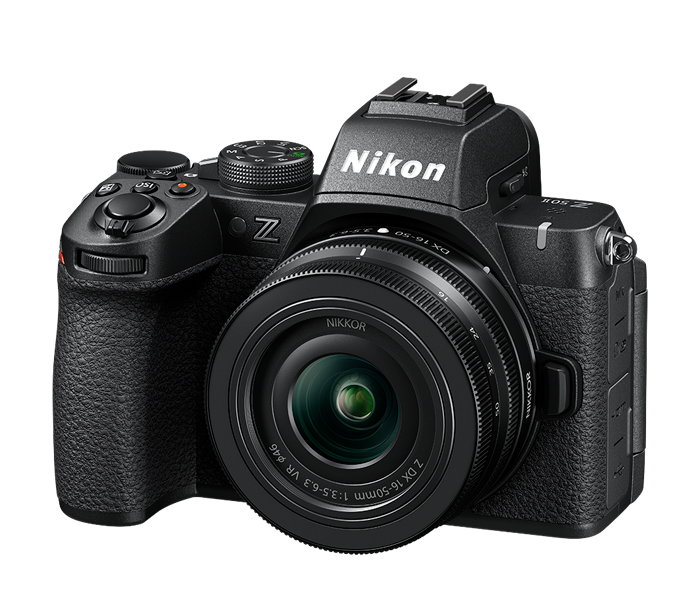

The Nikon Z50II and Sony ZV-E10 II are two noteworthy options in the APS-C mirrorless camera market, appealing primarily to enthusiasts and content creators looking for a blend of portability and high-quality imaging performance. These cameras, both released in 2024, offer unique strengths that make them popular choices among vloggers, photographers, and videographers. Differences in specifications, features, and ergonomics are pivotal in helping potential buyers make a decision based on their specific needs and shooting styles.
Specifications Comparison
Detailed Comparison
Image Quality
In terms of image quality, both the Nikon Z50II and Sony ZV-E10 II provide excellent results thanks to their APS-C sensors. The Z50II has a resolution of 21 megapixels, while the ZV-E10 II boasts a higher 26 megapixels. This difference in resolution can be significant for those who require more detail, particularly when cropping images. The ISO performance of both cameras is worth noting as well; the Z50II offers a standard range of 100-51200, expandable to 204800, giving it an edge for low-light scenarios. In contrast, the ZV-E10 II's ISO range spans 100-32000, expandable to 102400, which also performs well in low-light but may not reach the same heights as the Nikon's sensor. Both cameras have their strengths, but the added megapixels of the ZV-E10 II will likely appeal to users focused on capturing intricate detail.
Autofocus System
Autofocus can be crucial for both stills and video, and this is one area where the Sony ZV-E10 II significantly outshines the Nikon Z50II. With 759 autofocus points compared to the Z50II's 231, the ZV-E10 II offers superior coverage and more accurate tracking, particularly beneficial when shooting moving subjects or capturing the spontaneity of content creation. Both cameras feature decent performance in good lighting conditions, but the enhanced autofocus capabilities of the ZV-E10 II make it a better option for those who require reliable focus during video shoots or fast-paced photography.
Video Capabilities
The video capabilities also present a clear advantage for the Sony ZV-E10 II. It supports 4K video at 60 frames per second, which is ideal for dynamic footage and creating smooth cinematic visuals. In contrast, the Nikon Z50II does not specifically list its video resolution, thus potentially falling short for videographers prioritizing high frame rates and high-resolution video production. The ZV-E10 II also benefits from additional video-centric features that enhance on-the-go shooting for content creators, making it the go-to for more advanced video functionality. If video quality and capabilities are a priority, the ZV-E10 II emerges as the clear winner.
Build & Ergonomics
When it comes to build quality, both cameras feature weather-sealing, enhancing their durability in various environments. The Nikon Z50II, however, weighs significantly more at 550 grams compared to the 377 grams of the ZV-E10 II, which could affect portability. Furthermore, the dimensions of the Z50II are bulkier, which may impact handling for extended periods. On ergonomics, the Z50II includes an electronic viewfinder, a feature that many photographers prefer for composing shots, while the ZV-E10 II lacks this component altogether, relying instead on its LCD screen. For those who favor a more traditional photographic experience and viewfinder, the Z50II presents an advantage, though users seeking lightweight options may lean towards the Sony.
Battery & Storage
Considering power management and storage options, the Nikon Z50II offers a rated battery life of around 250 shots, which is moderate. The ZV-E10 II does not specifically list its battery life, which can be somewhat concerning for busy content creators. However, both cameras utilize SD memory cards for storage, making it easy for users to expand their storage as needed. Overall, while the Z50II may perform better in terms of battery longevity, both models cater to users who prioritize the flexibility of memory card use. Still, the lack of clear battery performance specification on the ZV-E10 II impacts its usability for extended shooting sessions.
Value for Money
Price is an essential aspect to consider when evaluating both cameras. The Sony ZV-E10 II comes with a price tag of $1000, which may represent a significant investment depending on one's budget. On the other hand, the Nikon Z50II, while its price is unspecified here, is generally regarded as competitively priced in the APS-C segment and may offer additional value for individuals focused on photography rather than video. Ultimately, the perceived value will depend on whether one prioritizes video capabilities and performance or solid still photography features. However, the ZV-E10 II's higher MP count and enhanced autofocus may justify its pricing for videographers and vloggers.
Lens Ecosystem
An often-overlooked factor when choosing between camera systems is the availability of lenses. The Nikon Z mount has a select range of lenses optimized for their cameras, gradually expanding but still limited when compared to Sony's E mount system. Sony benefits from one of the most extensive lens lineups in the mirrorless market, offering a variety of options for different shooting styles, including specialty lenses for portraiture and wide angles suited for vlogging. Consequently, for users looking to explore diverse photography niches, the ZV-E10 II's more comprehensive lens ecosystem might be more appealing and conducive to growth in their photographic journey.
Our Verdict
In the overall comparison between the Nikon Z50II and the Sony ZV-E10 II, the latter emerges as the clearer winner for users focused on video production and advanced autofocus performance. While the Nikon excels in build quality with a superior viewfinder and slightly better battery life, the advantages of the Sony in terms of image resolution, video capabilities, and a broader lens ecosystem are compelling for modern content creators. If one's primary use leans towards hybrid usage of photography and videography, particularly in fast-paced environments or for vlogging, the ZV-E10 II is the better choice. Conversely, for those who prioritize traditional photography with excellent durability and handling, the Z50II still presents a formidable offering.
Nikon Z50II
Sony ZV-E10 II
Also Compare
Frequently Asked Questions
Which camera is better for video recording?
The Sony ZV-E10 II is better for video recording as it supports 4K at 60 frames per second and features advanced autofocus, catering specifically to content creators.
Is the Nikon Z50II good for low light photography?
Yes, the Nikon Z50II has a higher ISO range that expands up to 204800, making it suitable for low light photography.
Which camera is lighter and more portable?
The Sony ZV-E10 II is significantly lighter at 377 grams compared to the Nikon Z50II at 550 grams, making it more portable.
How do the autofocus systems compare?
The Sony ZV-E10 II has a vastly superior autofocus system with 759 points, while the Nikon Z50II has only 231 points, making the Sony better for tracking moving subjects.
What about the lens options for both cameras?
The Sony ZV-E10 II has access to a more extensive range of lenses due to its established E mount system, whereas the Nikon Z50II has a more limited selection.