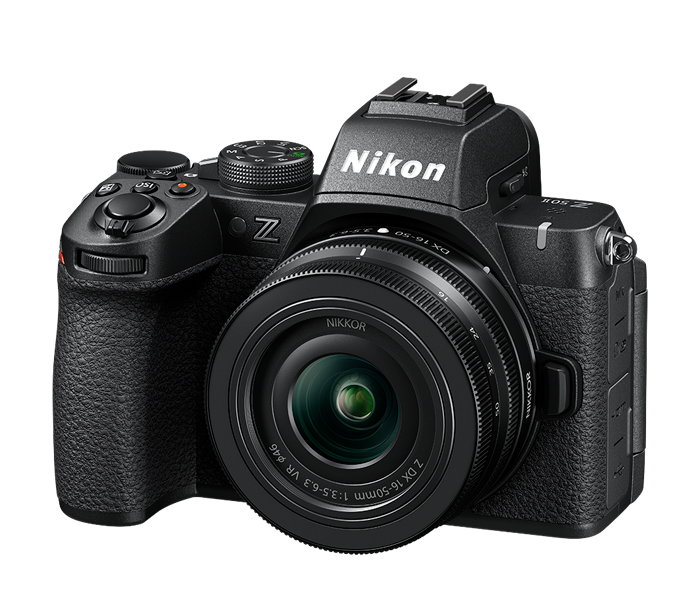

The Nikon Z50II and Sony A6700 are two powerful APS-C mirrorless cameras that appeal to both enthusiasts and professionals alike. With a focus on image quality, advanced autofocus systems, and the ability to capture fast action, these cameras are often compared by those looking to upgrade from entry-level systems or switch to a more compact and versatile setup. Key differentiators include their resolution, ISO performance, and video capabilities, making each suited to different types of photography and videography needs.
Specifications Comparison
Detailed Comparison
Image Quality
When it comes to image quality, the Sony A6700 edges out the Nikon Z50II with its higher megapixel count of 26 MP, compared to the Z50II's 21 MP. This increase in resolution allows the A6700 to capture more detail, which can be crucial for large prints or extensive cropping. Additionally, the ISO performance shows a notable difference; the Z50II has a native ISO range of 100 to 51200, expandable to 204800, while the A6700 goes from 100 to 32000, expanding to 50-102400. This wider ISO range for the Z50II means that it can perform better in extremely low light conditions when pushed to its limits.
However, both cameras leverage APS-C sensors that produce excellent image quality, and many users may not notice a significant difference under regular shooting conditions. Color reproduction and dynamic range in both models are commendable, but the A6700 generally offers more flexibility when it comes to raw image processing due to higher resolution. Thus, while both cameras deliver impressive results, for those prioritizing crispier images and more cropping flexibility, the A6700 stands out.
Ultimately, while the Z50II is a strong performer, the A6700 has the edge in terms of resolution and ISO capabilities, leading to a clearer win in terms of overall image quality.
Autofocus System
Autofocus capabilities are crucial for capturing fast-moving subjects, and this is where the Sony A6700 significantly outperforms the Nikon Z50II. With 759 autofocus points compared to the Z50II's 231 points, the A6700 covers more of the frame with focus points, allowing for better tracking of subjects across a wider area. This is especially useful in action photography or shooting dynamic events.
Furthermore, Sony's Real-time Eye autofocus technology gives users an advantage in capturing sharp portraits or any scene where maintaining focus on a subject is critical. In contrast, while the Z50II has a capable autofocus system, it doesn't match the advanced tracking features of the A6700. Users may take note of this when considering fast-paced photography, where locking onto subjects quickly and accurately is paramount.
Given these factors, it becomes clear that those who prioritize advanced autofocus features, particularly for sports or wildlife photography, would benefit more from the A6700. The sheer number of focus points and the sophistication of the autofocus system give Sony's offering a decisive advantage in this category.
Video Capabilities
When it comes to video capabilities, the Sony A6700 once again takes the lead, primarily due to its ability to shoot 4K at up to 120 frames per second, allowing for high-quality slow-motion footage. This feature is a significant advantage for videographers looking to create cinematic content without the need for additional equipment. In contrast, the Nikon Z50II does not specify a maximum frame rate for video, limiting its appeal for high-frame-rate videography.
Both cameras offer electronic viewfinders and comparable screen resolutions, with the A6700 providing slightly more flexibility in video settings, which can be an important factor for creators. Additionally, the A6700 has established better image stabilization with its 5-stop feature, while the Z50II lacks any form of stabilization, making handheld shooting more challenging.
Given the increasing demand for high-resolution video content across platforms, the A6700 presents itself as the superior choice for various types of video work, reaffirming its position as a more versatile camera for those who also prioritize video capabilities.
Build & Ergonomics
Both cameras feature sturdy builds with weather sealing, which is essential for outdoor or challenging shooting conditions. However, there are differences in ergonomics and size that may appeal to different types of users. The Nikon Z50II weighs slightly more at 550 grams compared to the lighter 493 grams of the Sony A6700. The A6700 is also more compact with dimensions of 122 x 69 x 64 mm, compared to the Z50II's 127 x 97 x 67 mm, which could make it more appealing for travel and street photography.
The buttons and dials of the Nikon Z50II might feel more comfortable for some users who appreciate traditional tactile feedback, while the A6700's design is modern with an intuitive layout, which may cater well to those accustomed to Sony's interface. Both cameras come equipped with electronic viewfinders that provide a precise representation of exposure settings, ensuring accurate framing and composition.
Ultimately, while both models are ergonomically sound, users who prioritize a lighter and more compact design may prefer the A6700, while those that enjoy tactile controls might lean towards the Z50II. Therefore, this section leans towards a tie as subjective preferences play a significant role here.
Battery & Storage
Battery life is an important consideration for those planning to shoot for extended periods. Here, the Sony A6700 significantly outperforms the Nikon Z50II with a battery life that allows for approximately 570 shots, while the Z50II only allows for about 250 shots per charge. This disparity can be a critical factor for photographers and videographers planning to shoot long sessions, particularly in outdoor settings where access to charging may be limited.
Both cameras take advantage of relatively common storage formats, but it's worth noting the A6700 supports faster SD cards, which can be especially advantageous when shooting high-resolution video or rapid bursts of photos. This ensures quick write speeds and efficient handling of large files without buffering issues.
In this aspect, the A6700 is definitely the more capable option, providing longer battery life and faster storage capabilities, catering to users who require endurance and efficiency during long shoots.
Value for Money
In evaluating value for money, the pricing of the Sony A6700 is set at approximately $1400, which reflects its advanced features and specifications. When considering its superior video capabilities, autofocus system, and overall image quality, this price may be justified for serious photographers and videographers.
On the other hand, while the Nikon Z50II offers fewer features and capabilities, it may appeal to those who are looking for a more affordable option or who are already invested in the Nikon ecosystem. With strong build quality and a competent image sensor, it can serve as an excellent entry point for those entering mirrorless photography without breaking the bank. It may not have the advanced functionalities found in the A6700, but it covers essential needs.
Ultimately, the decision on value for money will depend on the intended use. If one is taking videography seriously or needs robust performance in autofocus and low-light performance, the A6700's features justify its price. However, for casual shooters or those who prioritize budget, the Z50II remains a compelling option. Therefore, this category leads to a tie as each option provides good value in its own context.
Our Verdict
Overall, the Sony A6700 emerges as the winner in this comparison due to its superior image quality, exceptional autofocus system, and advanced video capabilities. For serious photographers and videographers, the investment in the A6700 is well worth it, especially for those who require high performance in demanding situations. However, the Nikon Z50II is not without merit and provides an excellent entry point for those familiar with Nikon's ecosystem or looking for a capable general-purpose camera at a more accessible price point. Therefore, your choice ultimately depends on your specific needs and budget.
Nikon Z50II
Sony A6700
Also Compare
Frequently Asked Questions
Which camera is better for low-light photography?
The Nikon Z50II has a wider expandable ISO range, allowing for better low-light performance. However, the Sony A6700 offers higher megapixels, which could result in better detail retention in low light. Both are competent, but the Z50II has the edge for extreme low-light situations.
Is the Sony A6700 worth the extra price?
If you prioritize advanced features such as autofocus performance, 4K video capabilities, and high resolution, the A6700 justifies its higher price for serious users. However, for casual users, the Nikon Z50II could be a more cost-effective choice.
Can the Nikon Z50II shoot 4K video?
The Nikon Z50II can shoot 4K video, although it lacks the A6700's ability to record at high frame rates. It is suitable for general video use but may not satisfy all videographers.
How do these cameras perform with fast-moving subjects?
The Sony A6700 excels with its 759 autofocus points, making it a better choice for tracking fast-moving subjects compared to the Z50II, which has significantly fewer autofocus points.
Is either camera good for beginner photographers?
Yes, both cameras are user-friendly and good for beginner photographers. The Nikon Z50II may be more appealing due to its traditional controls and lower price point, while the A6700 provides advanced features that may benefit users willing to learn.