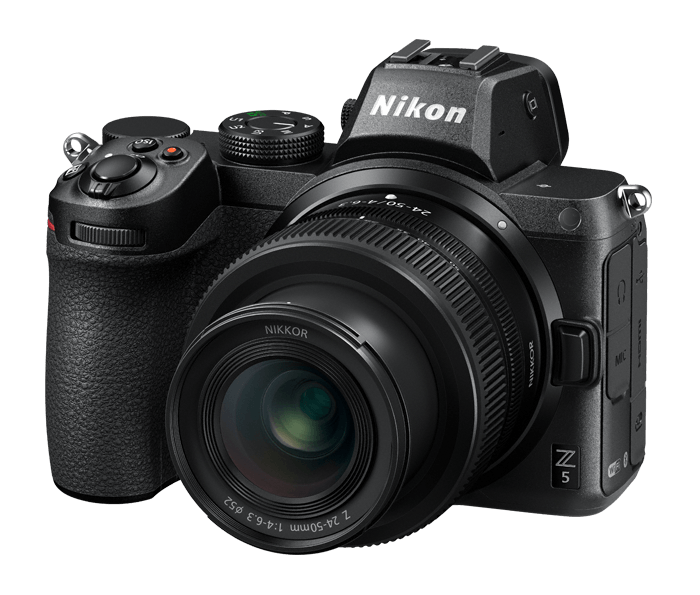
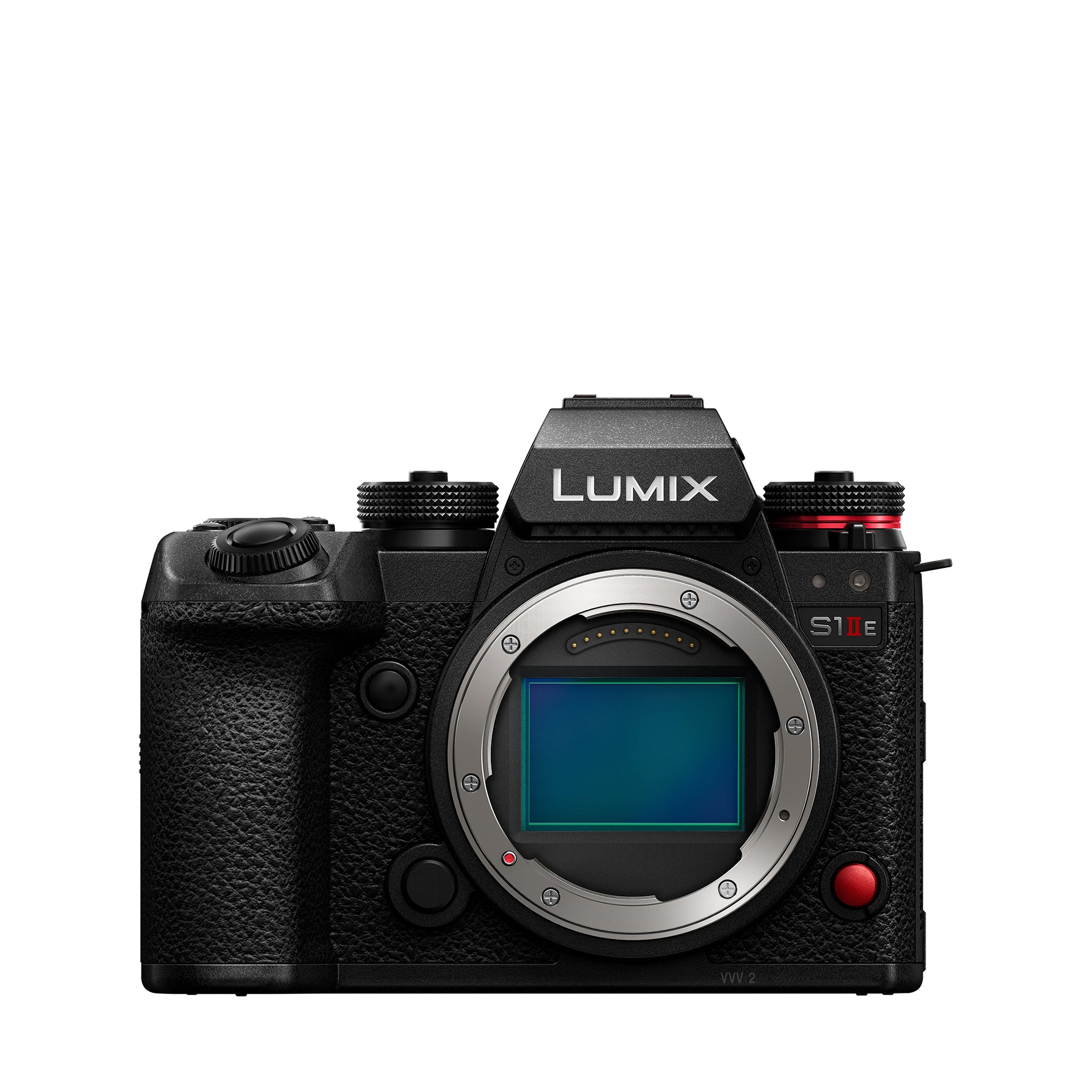
The Nikon Z5 and Panasonic S1 II E are two powerful full-frame mirrorless cameras that have garnered attention from both amateur and professional photographers. While both are designed for high-quality imaging and videography, they cater to slightly different audiences and preferences, making them popular choices for various types of users. Photographers may find themselves choosing between the two based on specific features such as autofocus capability, video performance, and build quality. The Z5 is often lauded for its robust design and efficient image quality, while the S1 II E shines across advanced video specifications and frame rate options.
Specifications Comparison
Detailed Comparison
Image Quality
Both the Nikon Z5 and Panasonic S1 II E boast impressively high image quality, as they utilize full-frame sensors. The Z5 features a 24-megapixel sensor, while the S1 II E has a marginally higher resolution at 24.1 megapixels, giving a slight edge in detail retention. However, the differences in megapixels are minimal and should not be a decisive factor for most users. Both cameras perform well in low-light conditions, with the Z5 offering an ISO range that extends from 100 to 51200 and can be expanded up to 102400, providing great flexibility for low-light shooting. The S1 II E also offers excellent high-ISO performance, although specific ISO specifications were not outlined. Additionally, both systems feature robust color science, with the Z5 known for its vibrant colors and balanced skin tones. Overall, users can expect exceptional image quality from either model, with their similar specifications leading to a close comparison.
Autofocus System
Autofocus is crucial for both stills and video performance, and in this domain, the Panasonic S1 II E has an advantage. The Z5 comes equipped with 273 autofocus points, providing decent coverage and accuracy, but the slower maximum frame rate of 4.5 fps may limit its performance in fast-paced situations. In contrast, the S1 II E boasts a much quicker maximum frame rate of 30 fps, along with advanced autofocus options that make it more suitable for action shots and moving subjects. This could be a decisive factor for those who prioritize fast and reliable autofocus systems for shooting sports or wildlife. While the Z5 performs well in most scenarios, the enhanced tracking capabilities of the Panasonic S1 II E give it the edge in this category.
Video Capabilities
The video specifications set the Panasonic S1 II E apart from the Nikon Z5. While the Z5 supports 4K video at 30p, the S1 II E offers a plethora of video resolutions and frame rates, including 5.9K at 60p, 4.8K at 60p, and 4K at 120p, providing filmmakers with more creative options. The higher frame rates available on the S1 II E allow for slow-motion video capability with 1080p at 240 fps, a feature that is not present in the Z5. Additionally, the S1 II E's versatility in video formats aligns better with professional and advanced user needs. Therefore, for videographers looking for a comprehensive video solution, the Panasonic S1 II E stands out significantly.
Build & Ergonomics
Both the Nikon Z5 and Panasonic S1 II E sport robust build quality, with weather sealing that appeals to photographers who often work in challenging environments. The Z5 is slightly lighter at 675g, which may appeal to those seeking a portable solution, while maintaining solid handling ergonomics with a comfortable grip. The dimensions are compact at 134 x 101 x 70 mm, making it a well-balanced option. The Panasonic S1 II E, though heavier than the Z5, delivers a sturdy, professional feel in hand, which can enhance handling during extended shooting sessions. The weight difference may be a factor for those who travel frequently and wish to reduce equipment bulk. Despite these differences, both cameras are ergonomically designed and fit well within the hand.
Battery & Storage
Battery life is an essential consideration for photographers, and the Nikon Z5 excels in this regard, capturing up to 470 shots on a single charge. This endurance makes it an attractive choice for long shooting sessions or events where charging options may be limited. On the other hand, while battery information specific to the S1 II E was not provided, it generally tends to have a slightly shorter battery life in comparable models due to higher power consumption from its advanced features, particularly during video recording. However, both models are compatible with various storage options, including SD cards, which cater to different recording needs. Considering these points, the Z5 has a definitive edge in terms of battery longevity.
Value for Money
When it comes to price, the Nikon Z5 is positioned at $1399, making it a compelling choice for enthusiasts and those looking to enter the full-frame camera market without spending excessively. The S1 II E's pricing, while not specified here, tends to be on the higher side due to its advanced video capabilities and features. Evaluating value involves understanding the specific needs of the user: the Z5 offers great overall performance for a reasonable price, while the S1 II E, although potentially pricier, delivers advanced video features and quick autofocus that could justify the investment for dedicated videographers. Overall, for those on a budget who prioritize still photography and ease of use, the Z5 offers better value.
Our Verdict
In the overall comparison, the Panasonic S1 II E emerges as the winner primarily due to its superior video capabilities and faster autofocus system, making it an excellent choice for professional content creators who prioritize high-quality video and dynamic shooting situations. The Nikon Z5, while slightly edged out in those areas, provides exceptional value for still photographers and those requiring robust battery life, making it an appealing alternative for enthusiasts on a budget looking for high-performance photography. Specific use cases, such as travel photography and long sessions, may favor the Z5, while advanced videographers and action photographers may find the S1 II E to be the better option.
Nikon Z5
Panasonic S1 II E
Also Compare
Frequently Asked Questions
Which camera is better for videography?
The Panasonic S1 II E is the superior choice for videography due to its higher resolutions and frame rates, including options like 5.9K and 4K at 120fps.
How does the autofocus perform in the Nikon Z5?
The Nikon Z5 features 273 autofocus points, providing solid performance for general photography, although it may not be as fast or reliable as the system in the Panasonic S1 II E.
Is the Nikon Z5 good for low-light photography?
Yes, the Nikon Z5 performs well in low-light conditions, with an ISO range up to 51200 (expandable to 102400), allowing for flexibility in various lighting situations.
Which camera has better battery life?
The Nikon Z5 offers a battery life of approximately 470 shots, which is better than what is generally found in the S1 II E.
Are both cameras weather sealed?
Yes, both the Nikon Z5 and the Panasonic S1 II E are weather-sealed, making them suitable for outdoor photography in challenging weather conditions.