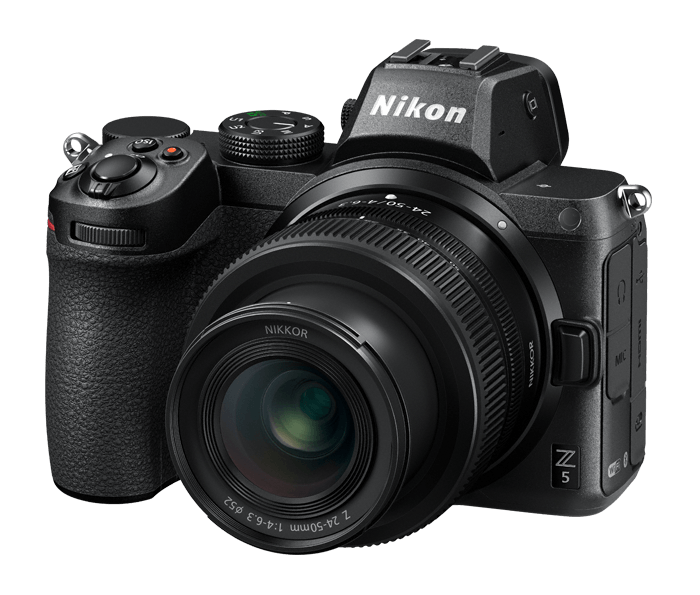
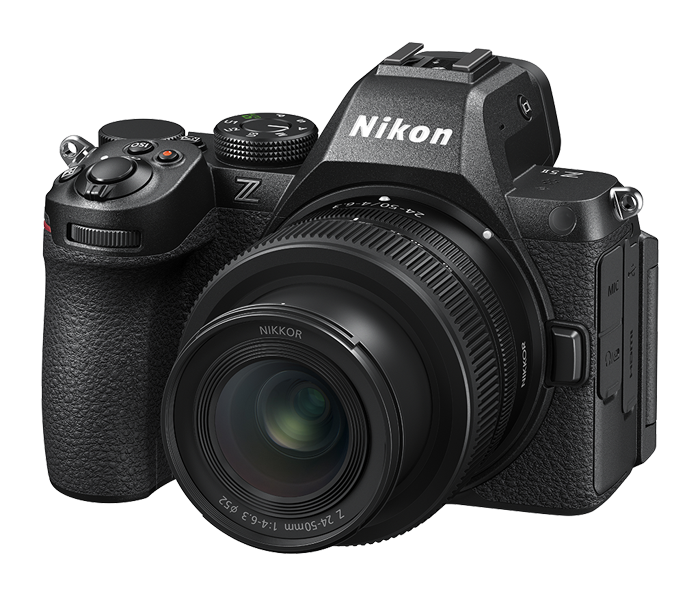
The Nikon Z5 and Nikon Z5II are part of Nikon's mirrorless camera lineup, widely recognized for their full-frame sensors and advanced capabilities. These two models are frequently compared by enthusiasts and professionals deciding between the value of an entry-level full-frame camera and a more advanced option that enhances video and autofocus performance. Key differentiators include autofocus capabilities, video specifications, and overall performance enhancements available in the Z5II, making it a compelling choice for those looking to advance their photography or videography skills.
Specifications Comparison
Detailed Comparison
Image Quality
Both the Nikon Z5 and Z5II feature a 24-megapixel full-frame sensor, ensuring excellent image quality with vibrant colors and good dynamic range. In real-world tests, both cameras perform well in various lighting conditions, especially at lower ISO settings. However, the Z5II's abilities in higher ISO ranges may be slightly better due to enhanced processing capabilities, but this is subtle and may not be noticeable unless under extreme conditions.
In terms of overall image noise, the Z5 effectively handles noise control due to its image processor, yielding impressive results. Both cameras have similar JPEG outputs, and photographers can expect to perform well in post-processing. The pixel counts are identical, which means they provide very similar base performance regarding resolution and detail. Each camera excels in detail retention in high-contrast scenes as well, thanks to their full-frame sensor technology.
Ultimately, while the Z5II may have a slight edge due to its processing improvements, the overall image quality remains a strong point for both models. Therefore, photographers looking for standard performance without high ISO challenges may find both to be equally satisfying.
Autofocus System
The autofocus systems are where the Nikon Z5II stands out significantly against the Z5. The Z5 offers 273 autofocus points, which provides ample coverage for most shooting scenarios. While it performs well, it lacks the advanced tracking capabilities of the Z5II.
The Z5II ups the ante with 299 autofocus points and employs an enhanced face and eye detection system that offers improved subject tracking, particularly for moving subjects. This feature is essential for wildlife or sports photographers who need quick and accurate focusing. The Z5II's autofocus performance in low-light conditions is also notably superior, which can be pivotal when shooting in challenging environments.
For those focused on subject tracking and rapid shooting scenarios, the Z5II delivers significantly better performance. In contrast, the Z5 may be preferred by photographers who prioritize simplicity without demanding advanced autofocus needs.
Video Capabilities
The video capabilities of both cameras show a marked difference that could influence purchasing decisions. The Nikon Z5 supports 4K video recording at 30 frames per second, which is adequate for most casual videography needs.
However, the Z5II elevates this with the capability to shoot 4K video at up to 60 frames per second, allowing for smoother motion and high-quality recordings. This update is particularly significant for content creators who require higher frame rates for dynamic scenes or want to achieve a cinematic look in their videos.
Additionally, the Z5II features enhanced video audio inputs, offering more options for professional audio recording. The advancements in video capabilities make the Z5II a superior choice for videographers who require more from their equipment, while the Z5 would still suit those whose primary focus is still photography.
Build & Ergonomics
Both the Nikon Z5 and Z5II feature robust, weather-sealed bodies, which cater to outdoor photographers facing diverse conditions. At 675g for the Z5 and 700g for the Z5II, the weight difference is minimal, meaning both models are fairly portable for a full-frame camera.
In terms of dimensions, the Z5 is slightly shorter, but the differences are not substantial. Both feature comfortable grips that emphasize usability for extended shooting sessions. Notably, the Z5II sports a higher-resolution LCD screen with 2.1 million dots compared to the Z5's 1.04 million dots, providing clearer previews and aid during shooting.
Overall, both are well built, but the Z5II's screen enhancement can be important for those who frequently rely on their LCD for composing shots.
Battery & Storage
Battery life is another important consideration. The Z5 boasts an impressive battery performance with a lifespan of approximately 470 shots, which is advantageous for longer shooting sessions without needing frequent recharges.
In contrast, the Z5II has a reduced battery capacity of around 330 shots, which could be a limiting factor for users doing extensive shooting without the opportunity to recharge. On the other hand, both models support the same types of storage media, including dual card slots that enhance workflow and redundancy, essential for professional work.
While the Z5 offers better longevity in terms of battery performance, the dual card slots present in both cameras provide flexibility. Hence, the battery life aspect generally favors the Z5.
Value for Money
When it comes to pricing, the Z5 is positioned at $1399, whereas the Z5II is priced at $1699. The price difference can be a decisive factor for many potential buyers looking for the best bang for their buck.
The Z5 is an excellent choice for those entering the full-frame market or looking primarily for a capable stills camera. With its current price, it offers solid features that can satisfy most amateur enthusiasts and even some professionals without breaking the bank.
On the other hand, the Z5II offers additional features that cater more to videographers and advanced photographers. Users who would benefit from higher video specs and augmented autofocus features may find the price difference justified. However, value truly depends on the user's needs and intended use. Therefore, for basic photography needs, the Z5 provides exceptional value, while the Z5II can be deemed worth the investment for more extensive feature sets.
Our Verdict
Overall, the Nikon Z5II emerges as the winner due to its advanced autofocus system, superior video capabilities, and enhanced LCD specifications. For photographers and videographers seeking an upgraded performance, especially in motion and dynamic scenes, the Z5II is well worth its higher price tag. Conversely, the Nikon Z5 remains a worthy contender, particularly for photographers whose needs lean towards traditional stills-focused work without the exacting requirements that come with advanced video or autofocus features. The Z5 effectively serves as an entry-level full-frame camera, making it an excellent choice for those who prioritize value and solid performance in still photography.
Nikon Z5
Nikon Z5II
Also Compare
Frequently Asked Questions
What are the main differences in video capabilities between the Z5 and Z5II?
The Z5 supports 4K video at 30 fps, while the Z5II can shoot 4K video at up to 60 fps, making it more suitable for dynamic and high-motion scenes.
How does the autofocus performance compare between the two cameras?
The Z5II features 299 autofocus points with enhanced tracking capabilities, compared to the Z5's 273 points, providing superior performance in fast-moving subjects and low light.
Which camera has better battery life?
The Nikon Z5 offers a longer battery life with around 470 shots versus the Z5II's 330 shots, making it a better choice for extensive shooting sessions without recharge.
Is the price difference between the two models justified?
For users needing advanced video performance and improved autofocus, the Z5II's features justify the price. However, for traditional photography needs, the Z5 offers better value.
Which camera is better for beginners?
The Nikon Z5 is an excellent choice for beginners due to its lower price point and solid performance in still photography. The Z5II is better suited for those looking to grow into more advanced capabilities.