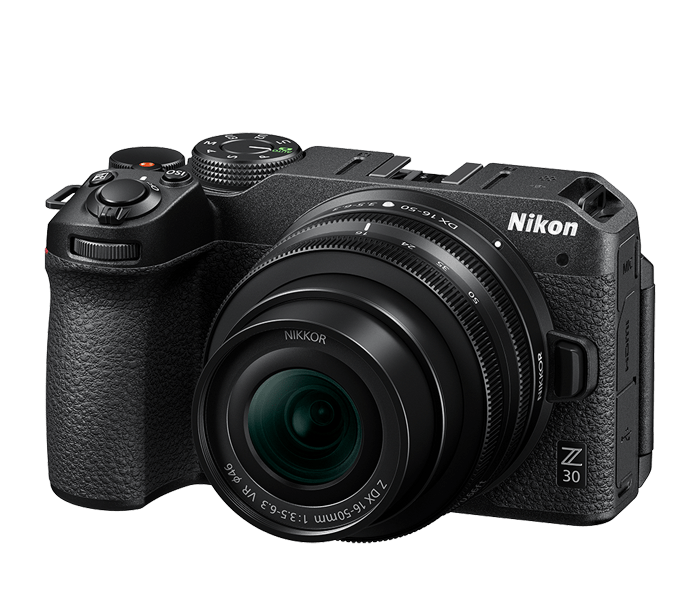
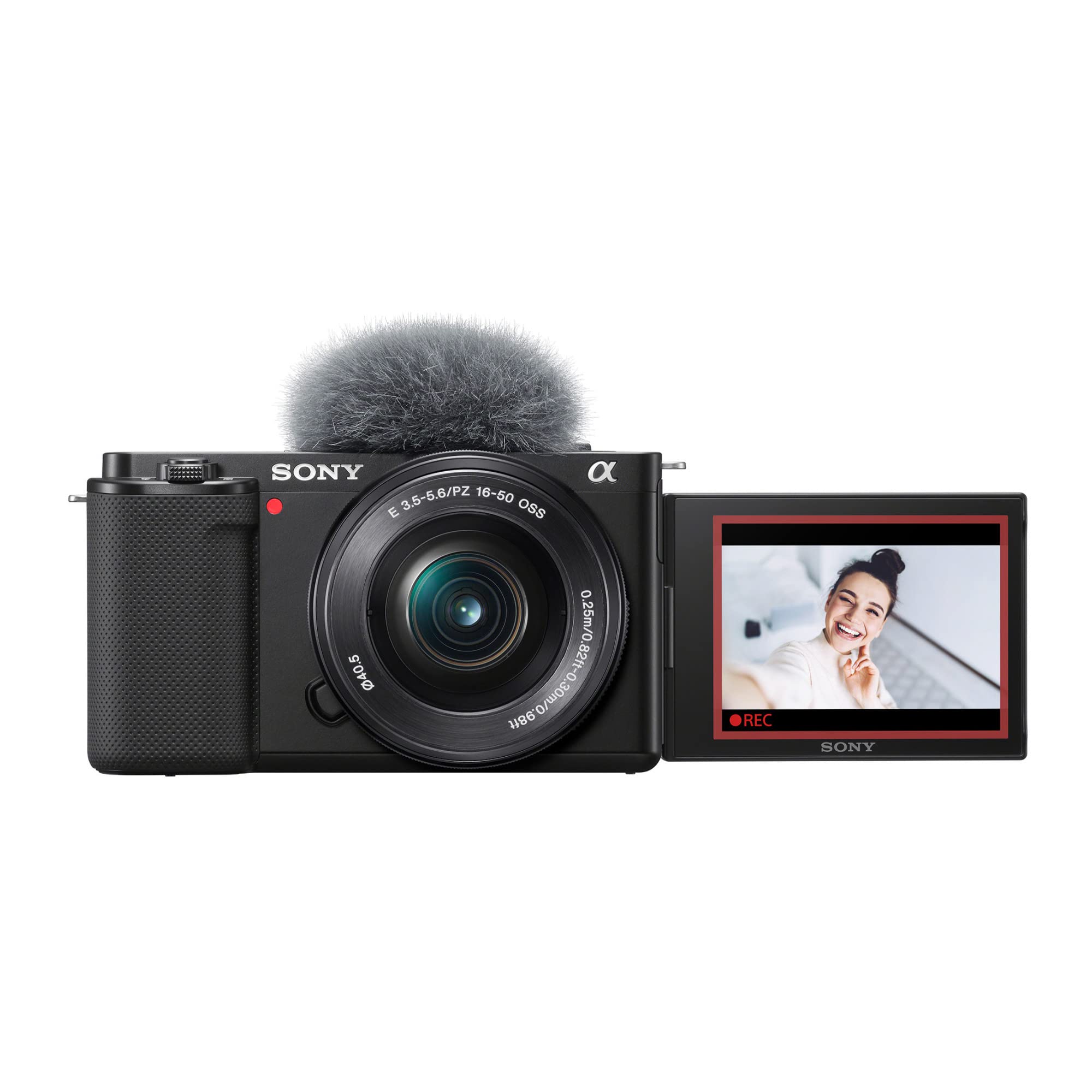
The Nikon Z30 and Sony ZV-E10 are both compelling options in the APS-C mirrorless camera market, aimed primarily at content creators, vloggers, and enthusiasts looking for a versatile and portable camera system. With their emphasis on video capabilities and ease of use, these cameras often attract those seeking to capture high-quality content without the complexity often associated with more advanced models. Buyers typically choose between these two due to their similar pricing and features while weighing the specific benefits each brand offers.
Specifications Comparison
Detailed Comparison
Image Quality
In terms of image quality, the Sony ZV-E10 pushes ahead slightly with a 24-megapixel APS-C sensor, compared to the 21-megapixel sensor on the Nikon Z30. This increase in resolution can result in sharper images, particularly when cropping or enlarging pictures. Additionally, the Sony model offers an ISO range that can extend from 50 to 51200, making it more adaptable for low-light conditions compared to the Nikon's upper ISO limit of 204800. However, the Z30's image processing can still yield superb color rendering and dynamic range, making it capable of delivering highly detailed images in adequate light conditions.
In real-world applications, both cameras produce excellent image quality, but the ZV-E10's edge in resolution may be advantageous for photographers who prioritize details and clarity in their shots. On the other hand, if you're a user more focused on general performance and usability, the Nikon Z30 might not disappoint either, given its good handling of various lighting situations. Therefore, the image quality aspect is somewhat subjective and depends on specific user needs and scenarios.
Autofocus System
When it comes to autofocus, the Sony ZV-E10 boasts a superior system with 425 autofocus points compared to the Nikon's 209 points. This can result in faster and more reliable focusing performance, especially in dynamic situations like vlogging or capturing moving subjects. The ZV-E10 also includes real-time eye autofocus, a significant advantage for both photography and video, ensuring that your subject remains in sharp focus.
On the other hand, while the Z30 does have solid autofocus capabilities, it may fall short in fast-paced environments or when subject tracking is crucial. However, it still performs adequately for general use. The Z30's autofocus system can still reliably acquire focus in many situations, but the breadth and sophistication of the ZV-E10's system cater more effectively to content creators who demand precision and speed in their shooting conditions. Thus, the advantage in this category leans clearly toward Sony.
Video Capabilities
Video capabilities are crucial for both these models, especially given their aim at vloggers and content creators. The Nikon Z30 supports 4K video recording at 30 frames per second, a powerful feature for anyone looking for high-definition content while filming. Meanwhile, the Sony ZV-E10 offers 1080p video recording at 24fps, which, while still effective for many content creators, does not match the resolution of the Nikon model.
The Z30's ability to shoot 4K video makes it the more future-proof option, particularly as video quality expectations continue to rise. The absence of stabilization on both models means users might need to rely on external methods or stabilization software. Overall, the Nikon Z30 takes the lead here, as 4K is increasingly becoming the standard for video production, making it a better option for serious video creators.
Build & Ergonomics
In terms of build and ergonomics, the Nikon Z30 presents a slightly bulkier feel due to its dimensions (128 x 74 x 60 mm and weight of 405g), which can provide a more solid grasp for users with larger hands. Additionally, the Z30 is weather-sealed, offering an element of protection against the elements, which can be crucial for outdoor shooting.
Conversely, the Sony ZV-E10 is more compact (115 x 64 x 45 mm and 343g), making it highly portable and easy to carry, which benefits users who prioritize lightweight gear. Despite the sturdiness of the Z30, the ZV-E10 is designed specifically for content creators, featuring a fully articulating screen and user-friendly controls that enhance usability for vlogging. While both cameras have their strengths, the choice largely depends on user preference between robustness and portability.
Battery & Storage
Battery performance is another essential factor to consider, especially for content creators who may be filming for extended periods. The ZV-E10 offers an impressive battery life of approximately 440 shots, outperforming the Z30's 330 shots. This can make a noticeable difference for users on long shoots or when traveling where charging options are limited.
Both cameras have SD card slots, which can accommodate a variety of storage capacities, but the ZV-E10's extended battery life is a significant benefit for users prioritizing longevity. In settings where continuous shooting or video sessions are necessary, the Sony option provides an appreciable advantage over its rival. Therefore, when factoring in battery stamina, the ZV-E10 takes this section.
Value for Money
When assessing value for money, both cameras are competitively priced (Z30 at $710 and ZV-E10 at $700). The Nikon Z30, with its 4K video capability and weather-sealing, offers great value for those who prioritize these features, aimed directly at users who may shoot outdoors or in challenging conditions. Conversely, the ZV-E10, while it lacks 4K, offers superior autofocus and longer battery life, catering well to vloggers and users who often shoot in dynamic environments.
Considering that both cameras are priced similarly, users might find the choice depends on feature sets relevant to their intended use. If 4K video capture and ruggedness are paramount, the Nikon Z30 is a better investment. For those who need excellent autofocus and longer battery life for vlogging, the Sony ZV-E10 presents an attractive package. Thus, deciding on 'value for money' hinges on what aspect each user values more in their shooting experience.
Our Verdict
Ultimately, both the Nikon Z30 and Sony ZV-E10 present compelling arguments for different types of users. The Z30 excels in 4K video capabilities and robust build quality, making it ideal for outdoor enthusiasts and creators looking for high-resolution content. Meanwhile, the ZV-E10 boasts superior autofocus and better battery life, catering specifically to vloggers and those who prioritize fast, responsive shooting situations. Given that section winners balance out, the recommendation comes down to specific needs-users looking for 4K capability should lean towards the Z30, while those preferring long shoot times and rapid autofocus will find the ZV-E10 more beneficial.
Nikon Z30
Sony ZV-E10
Also Compare
Frequently Asked Questions
Which camera is better for vlogging?
The Sony ZV-E10 stands out due to its superior autofocus system and longer battery life, making it a more suitable choice for vloggers who require quick focus on moving subjects.
Is the Nikon Z30 suitable for low-light photography?
Yes, the Nikon Z30 has a high ISO range that can accommodate low-light conditions, but the Sony ZV-E10 may provide slightly better performance due to its broader ISO capabilities.
How important is weather sealing?
Weather sealing is crucial for photographers who often work outdoors in varying conditions. The Nikon Z30's weather-sealed body provides added durability and protection against moisture and dust.
Which camera has better image quality?
The Sony ZV-E10 edges out slightly with a higher resolution of 24 megapixels compared to the Nikon Z30's 21 megapixels, which contributes to sharper images.
Can both cameras record 4K video?
Only the Nikon Z30 can record in 4K at 30 frames per second, while the Sony ZV-E10 is limited to 1080p at 24 frames per second.