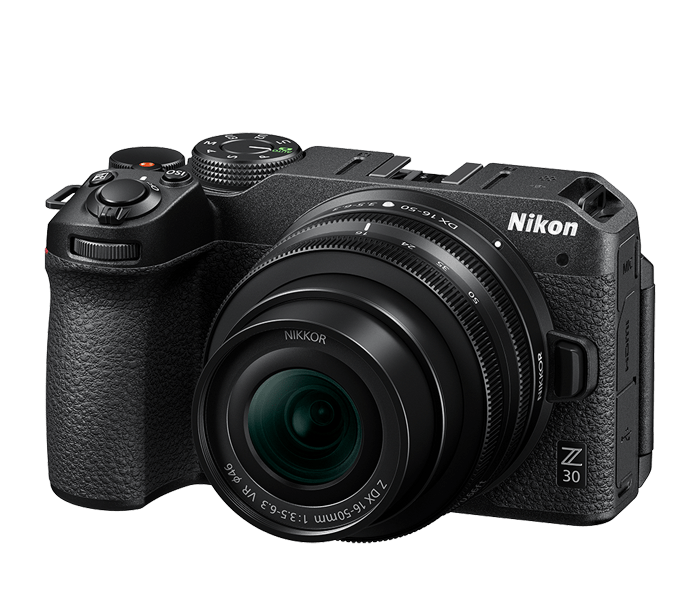
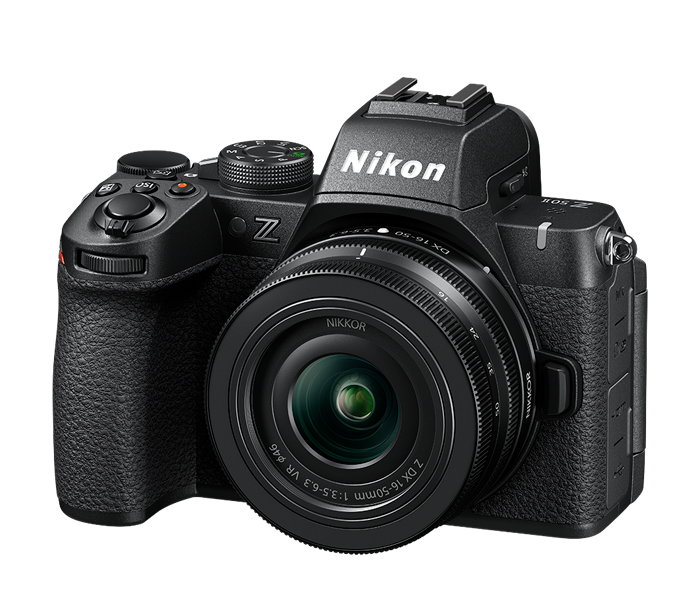
The Nikon Z30 and Nikon Z50II are both part of Nikon's popular mirrorless camera lineup aimed at content creators, including vloggers and photographers seeking a lightweight, versatile camera. These two models are often compared due to their similar specifications and target audience, making the decision between them a common challenge for potential buyers. Key differentiators include the autofocus system, viewfinder presence, battery performance, and physical dimensions, which could sway different users depending on their specific needs and use cases.
Specifications Comparison
Detailed Comparison
Image Quality
Both the Nikon Z30 and Z50II feature an APS-C sensor with a resolution of 21 megapixels, allowing for high-quality still images. The ISO range is identical, enabling users to shoot in various lighting conditions with good noise performance. However, image quality also depends on the optics used and shooting technique. While the sensors are capable, some users may prefer the Z50II due to potentially better post-processing support with its newer firmware updates due to a more recent release date. Yet, in practical use, both cameras produce comparable results, making it largely a personal preference. Both cameras' images can be excellent, especially in well-lit situations, but low-light performance is adequate rather than exceptional.
Autofocus System
The autofocus system shows a notable difference between the two cameras. The Nikon Z50II boasts 231 focus points compared to the Z30's 209 points, which theoretically allows for improved tracking and subject recognition in various scenarios. This could be especially crucial for action photography or fast-moving subjects. The Z50II also benefits from an electronic viewfinder that provides real-time feedback during shooting, which may help in making more informed autofocus decisions. However, for most casual photographers and vloggers, both autofocus systems provide reliable performance, making it a minor concern unless used in very specific contexts.
Video Capabilities
Video features are another critical point of comparison. The Nikon Z30 can record in 4K at 30fps, making it suitable for high-quality video content. On the other hand, the Z50II also offers similar 4K recording capabilities but may provide additional options for frame rates and picture profiles in post-processing due to its expected broader firmware updates. Both cameras lack in-body stabilization, which may deter those wanting smooth handheld videos. The pricing of each camera reflects their primary audience, with the Z30 being targeted more towards vloggers. Still, serious video creators might be attracted by the additional features in the Z50II.
Build & Ergonomics
When it comes to build quality, both cameras are weather-sealed, making them suitable for outdoor use in various conditions. The Z50II is slightly heavier at 550g compared to the Z30's 405g, which may impact long-term handling for users. However, it has a better grip for stability during shooting. The Z50II also houses an electronic viewfinder, which can enhance the shooting experience compared to the Z30's lack of one. The screen on the Z50II is slightly larger at 3.2 inches, which may provide better usability in various shooting conditions. Ultimately, the choice in ergonomics may come down to personal preference regarding weight versus additional features.
Battery & Storage
Battery performance is another differentiator, with the Z30 offering a higher battery life rated for 330 shots, compared to the Z50II's 250 shots. For users planning long shooting sessions, this is an essential aspect to consider, particularly in scenarios without immediate access to charging facilities. Additionally, both cameras use the same Nikon Z mount, ensuring compatibility with a similar range of lenses. However, the longevity of the Z30's battery may make it a more attractive option for those frequently shooting outdoors or on extended assignments, where changing batteries is inconvenient.
Value for Money
The Nikon Z30, priced at $710, presents itself as a more economical choice for entry-level content creators and amateur photographers. Yet, the Z50II, released at a higher price point, incorporates features that may justify the cost for enthusiasts or those desiring additional capabilities. While the Z50II features aspects like improved autofocus and advanced ergonomics, the Z30 may cater better to beginners or those mainly focused on vlogging. Buyers must assess whether the additional investment in the Z50II aligns with their needs and the value they place on more advanced features.
Our Verdict
Overall, while both the Nikon Z30 and Z50II offer compelling features for aspiring photographers and content creators, the Z30 edges out slightly due to its superior battery life and value proposition. The Z50II impresses with its autofocus capabilities and ergonomics but comes at a higher price with less battery longevity. For those primarily using the camera for casual photography or vlogging, the Z30 emerges as the more attractive choice. However, serious users focused on fast action and preference for an electronic viewfinder might lean towards the Z50II despite the additional cost.
Nikon Z30
Nikon Z50II
Also Compare
Frequently Asked Questions
Is the battery life of the Z30 better than the Z50II?
Yes, the Nikon Z30 offers a battery life rated for 330 shots, significantly better than the Z50II's 250 shots, making it a more suitable choice for extended use without frequent recharging.
Which camera has better autofocus performance?
The Nikon Z50II has more autofocus points (231 vs. 209) and may provide better overall tracking performance, particularly useful for action shots or subjects in motion.
Is there a difference in video capabilities between the two?
Both cameras can record in 4K at 30fps; however, the Z50II might offer more extensive video features due to its newer firmware and user options, making it potentially better for serious filmmakers.
Which camera is better for vloggers?
The Nikon Z30 is tailored more for vloggers with features like lightweight design and good screen quality, although the absence of an electronic viewfinder could be a drawback for some.
What aspects should I consider when choosing between them?
Consider your intended use; the Z30 is an excellent value for casual photography and vlogging, while the Z50II is better suited for serious photographers seeking advanced features and better autofocus.