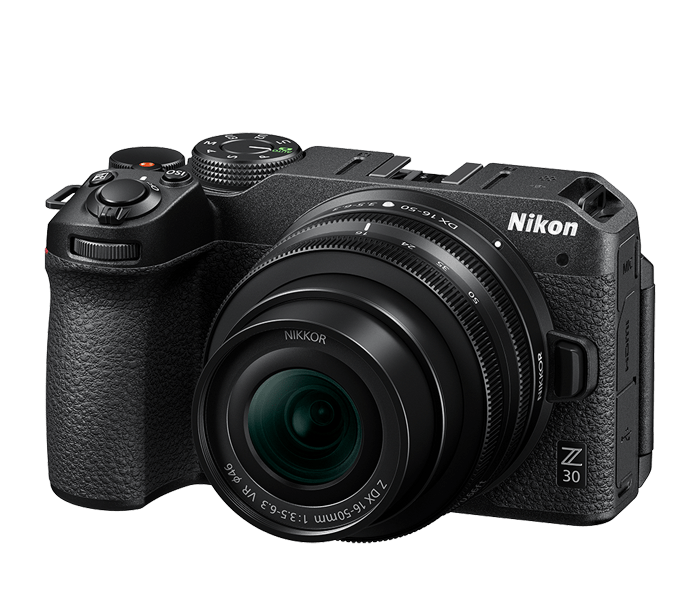
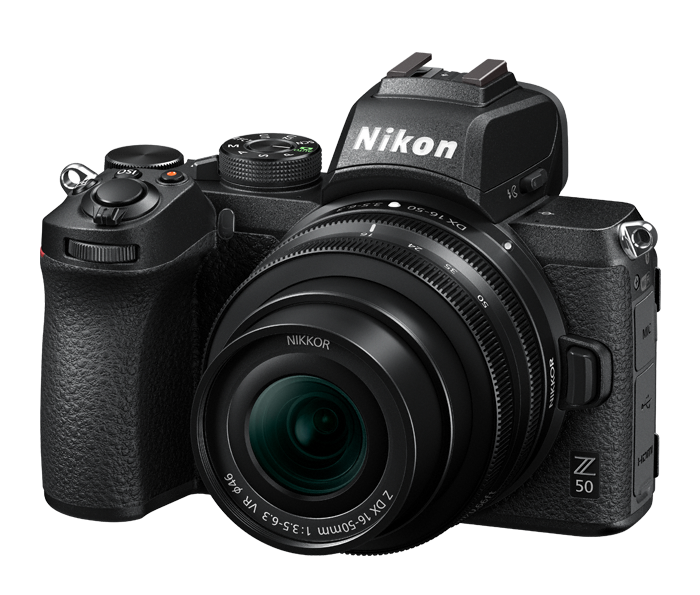
The Nikon Z30 and Nikon Z50 are both mirrorless cameras that utilize the Z-mount system and feature an APS-C sensor. They are particularly popular among vloggers, content creators, and enthusiasts who desire high-quality imaging in compact bodies. The Z30, released in 2022, positions itself as a more budget-friendly option, while the Z50 has been around since 2019 and offers a few additional features that might appeal to more diverse photography needs. Individuals may find themselves weighing the pros and cons of each model based on factors such as advanced features, usability, and price point.
Specifications Comparison
Detailed Comparison
Image Quality
Both the Nikon Z30 and Z50 feature a 21-megapixel APS-C sensor, providing similar capabilities in terms of resolution and dynamic range. With an ISO range that extends from 100 to 51,200 and expands to 204,800, both cameras are well-equipped to handle low-light scenarios effectively. However, the real-world performance in high ISO settings may vary slightly due to differences in post-processing algorithms where Z30 may show slightly improved noise control. Furthermore, both cameras have similar color science, ensuring that they can capture vibrant images and reproduce accurate colors. Overall, users can expect akin image quality from both cameras under most shooting conditions.
Autofocus System
Both the Z30 and Z50 feature Nikon's advanced autofocus system with 209 autofocus points, ensuring fast and accurate focusing across the frame. The systems are responsive, making them suitable for fast-moving subjects. However, the Z50 benefits from an electronic viewfinder, allowing for better composition during autofocus adjustments, particularly in challenging lighting conditions. The Z50's overall usability in terms of AF features, such as face and eye detection, gives it a slight edge over the Z30, especially for users who prioritize capturing moving subjects or using the viewfinder for composition.
Video Capabilities
Both models record 4K video at 30p, catering to current standards for most content creators. The Z30, tailored for vloggers, has been designed with features that simplify video recording, such as a vari-angle touchscreen, making it easier to film from different angles. On the other hand, the Z50 lacks this flexibility but compensates with its superior electronic viewfinder, allowing for more stable framing in bright conditions. Both cameras also share the same video compression formats and settings, making the differences more user-centric than technical. Therefore, depending on individual needs, either camera can perform exceptionally well.
Build & Ergonomics
The Z30 is lighter at 405g compared to the 450g of the Z50, making it slightly more portable, a feature that may appeal to vloggers and travelers. Both cameras share similar dimensions and feature weather-sealing, making them reliable in various conditions. However, the Z50's inclusion of an electronic viewfinder adds to its bulk but offers a significant ergonomic advantage for photographers who prefer traditional shooting methods. The controls and overall ergonomics are well regarded in both models, but the user experience will ultimately depend on personal preferences between articulated screens and viewfinders.
Battery & Storage
The Z30 boasts a slightly better battery life at 330 shots compared to the Z50's 320 shots. While this difference may seem negligible, it gives the Z30 a minor advantage for those who shoot extensively without immediate access to charging. Both cameras use the same battery type, ensuring compatibility with Nikon's existing power solutions. In terms of storage, both are compatible with SD UHS-II cards, allowing for equally efficient data writing speeds. Thus, the overall battery performance is comparable but favors the Z30 marginally.
Value for Money
The Nikon Z30 is priced at $710, making it a more budget-friendly option compared to the Z50, which retails for approximately $859. This price difference gives the Z30 an edge in terms of value for beginners and casual users who may not require the additional features of the Z50. However, those who plan on leveraging the Z50's electronic viewfinder and overall ergonomics may find the higher price justifiable. Ultimately, both cameras provide excellent value in their respective categories, but the Z30 stands out for first-time buyers or those focusing primarily on video.
Our Verdict
The Nikon Z30 emerges as the overall winner for those seeking a balance of features, portability, and value. Its advantages in weight, battery life, and cost make it a great choice for vloggers and casual photographers alike. On the other hand, the Nikon Z50 caters more to traditional photographers who benefit from an electronic viewfinder and ergonomic stability. In scenarios that prioritize video creation and ease of use without sacrificing quality, the Z30 shines through, while the Z50 serves better for versatility and photographic needs.
Nikon Z30
Nikon Z50
Also Compare
Frequently Asked Questions
Is the Nikon Z30 suitable for professional photography?
While the Z30 primarily targets content creators and vloggers, its image quality and performance are competent for various photography needs. However, professional photographers who require more advanced features may find the Z50 more suitable.
Can the Nikon Z30 and Z50 use the same lenses?
Yes, both cameras utilize the Nikon Z mount, which allows for compatibility with a wide range of Nikon Z lenses.
Which camera is better for low-light performance?
Both cameras perform equally well in low-light conditions due to their identical sensor and ISO capabilities. Real-world results may vary slightly based on user preferences and post-processing.
Does the Nikon Z30 have image stabilization?
Neither the Nikon Z30 nor the Z50 has in-body stabilization, so additional measures such as stabilized lenses or tripod use may be necessary during shooting.
What is the best use case for the Nikon Z50?
The Z50 is ideal for traditional photographers who value the electronic viewfinder for composition. It excels in situations demanding precise AF performance, making it suitable for events and wildlife photography.