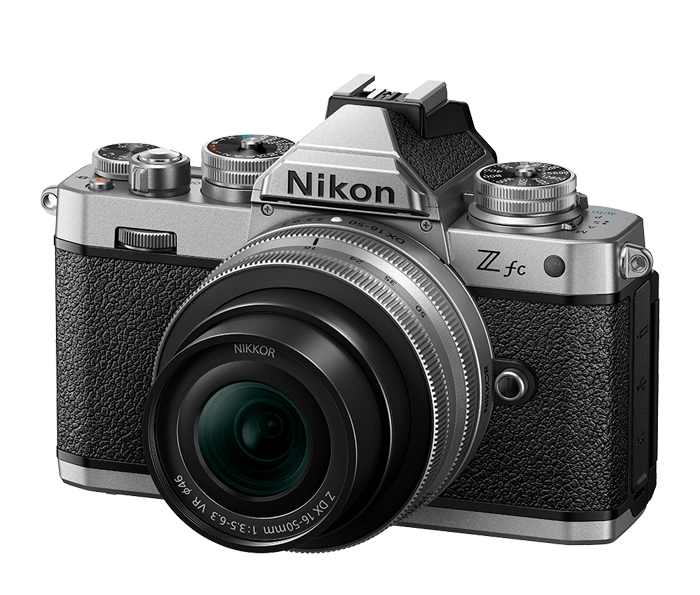

The Nikon Z fc and Sony ZV-E10 II are two compelling APS-C mirrorless cameras that target both enthusiasts and vloggers alike. They are frequently compared due to their similar price points and specifications, particularly in terms of portability, image quality, and video recording capabilities. Buyers may find themselves choosing between them based on specific needs, such as photography versus videography focus, user interface preference, or lens compatibility. The key differentiators between these two models include sensor performance, autofocus systems, video specs, and overall build quality, which can significantly impact user experience and final output.
Specifications Comparison
Detailed Comparison
Image Quality
When it comes to image quality, the specifications suggest a clear advantage for the Sony ZV-E10 II. With a higher megapixel count of 26 MP compared to the Nikon Z fc's 21 MP, the ZV-E10 II promises more detail and potentially better cropping options. Additionally, the Sony offers an ISO range that, while on the lower end goes from 100 to 32000, is expandable to 102400, providing greater flexibility in low light situations. In contrast, the Nikon Z fc offers a broader native ISO range with an expansion option up to 204800, which can make it a better choice for extreme low-light performance. However, the image processing and dynamic range can vary between the two, with the Nikon often praised for its color science in still imagery. Ultimately, while both cameras can produce excellent images, the choice may rely on whether a user values higher resolution or extended ISO range for challenging lighting conditions.
Autofocus System
The autofocus capabilities show a stark contrast between the two cameras, where the Sony ZV-E10 II shines with its 759 autofocus points, compared to the Nikon Z fc's 209 points. This could translate to quicker and more accurate focusing, especially in dynamic scenes or when shooting moving subjects. The Eye-AF feature present in Sony's autofocus system enhances portrait shooting by ensuring focusing on the eyes, crucial for-vlogging or portrait work. Meanwhile, the Nikon Z fc's autofocus may be effective for most static scenarios but lacks the rapid tracking ability, potentially making it less appealing for action shots or fast-paced environments. Therefore, for users who prioritize fast and reliable autofocus, especially for video, the Sony ZV-E10 II edges out the Nikon significantly.
Video Capabilities
Video recording offers another distinct advantage for the Sony ZV-E10 II, primarily due to its ability to shoot 4K at 60p. In contrast, the Nikon Z fc is limited to 4K at 30p. This higher frame rate not only allows for smoother motion in video but also provides more flexibility in post-production for creating slow-motion effects. Both cameras lack in-body stabilization, which could be a downside for handheld shooting, yet the ZV-E10 II's video features like the product showcase mode make it highly favorable for content creators. Overall, for video-centric needs-especially when frame rate is crucial-the ZV-E10 II is the clear winner.
Build & Ergonomics
In terms of build quality and ergonomics, the Nikon Z fc boasts a more retro aesthetic which many users find appealing. It is slightly bigger and heavier at 445 grams with dimensions 135 x 94 x 44 mm, making it feel robust in hand. The Z fc features an electronic viewfinder, which could be vital for photographers who prefer composing through a viewfinder. On the other hand, the Sony ZV-E10 II is lighter at 377 grams and more compact at 121 x 68 x 54 mm, making it ideal for portability. Additionally, it offers a weather-sealed body, adding durability against the elements-an advantage for outdoor shooting. Therefore, users will need to consider whether they value aesthetic design and traditional ergonomics vs. lightweight and weather resistance.
Battery & Storage
Battery life is a vital consideration for both models, and in this aspect, the Nikon Z fc features a CIPA rating of 300 shots per charge, which is decent but pales in comparison to the demand placed on a vlogger or content creator. The Sony ZV-E10 II, while not explicitly listed, uses a similar battery to other Sony models which typically yield longer shooting sessions, hence might be better suited for extensive video shoots. Both cameras support SD card storage; however, the ZV-E10 II's ability to handle higher video data rates with faster cards can add a layer of practicality for serious videographers. Therefore, in prolonged usage scenarios such as events or travel, the versatility and efficiency of the Sony model arguably provide an edge.
Value for Money
Considering the price points, with the Nikon Z fc priced around $959 and the Sony ZV-E10 II slightly higher at $1000, buyers may need to determine which features matter most for their usage. The Z fc provides a classic design and solid photographic capabilities which may appeal to traditional photographers, while the ZV-E10 II offers superior video features and autofocus, appealing more to content creators. Given the comparable specs and Sony's flexibility in video and autofocus performance, the ZV-E10 II may present a better value proposition for users primarily focused on video. However, for pure photography enthusiasts who appreciate build quality and aesthetic, the Nikon could justify its cost. Value is subjective to the user's needs.
Our Verdict
Overall, the Sony ZV-E10 II stands out as the winner in this comparison, primarily due to its superior autofocus system, video resolution capabilities, and better handling of prolonged shoots. While the Nikon Z fc has strengths in its classic design and still photography performance, those favoring videography, especially vloggers and content creators, will likely prefer the array of features offered by the ZV-E10 II. Buyers should closely consider their specific needs-whether they prioritize video or still photography-as that will significantly inform the better choice for their situation.
Nikon Z fc
Sony ZV-E10 II
Also Compare
Frequently Asked Questions
Which camera is better for beginners?
Both cameras cater well to beginners, but the Nikon Z fc's traditional design and layout may be easier for new photographers to understand, while the Sony ZV-E10 II offers more advanced autofocus capabilities which may benefit learning videographers.
Is weather sealing necessary?
If you plan to use your camera outdoors in variable weather conditions, the weather sealing on the Sony ZV-E10 II can be a real advantage. For indoor or controlled environments, this may be less of a concern.
Can I use my existing lenses with these cameras?
That depends on your current lens system. The Nikon Z fc uses the Nikon Z mount, while the Sony ZV-E10 II utilizes the Sony E mount. Adapters are available, but performance may vary.
Do either of these cameras support live streaming?
Yes, the Sony ZV-E10 II is designed with creators in mind and supports live streaming natively, while the Nikon Z fc does not have this feature built-in.
Which camera is better for low light photography?
The Nikon Z fc has a higher expandable ISO range, which may offer advantages in low light. However, actual performance can vary and should be tested in real-world scenarios.