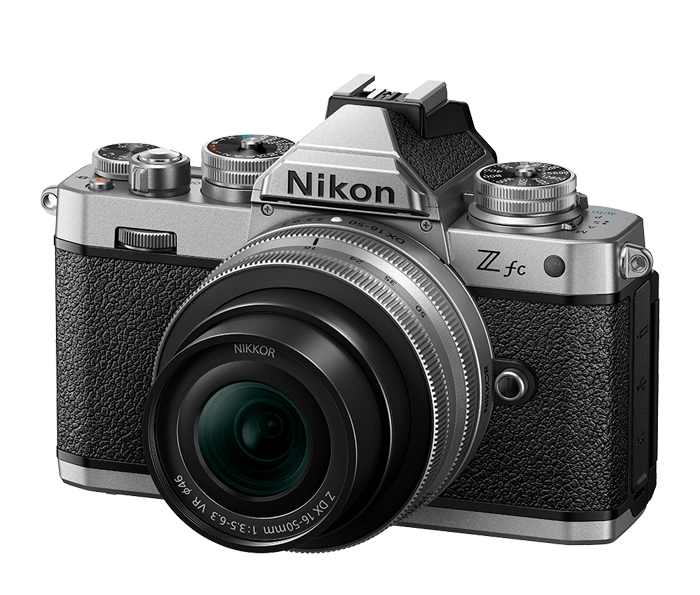
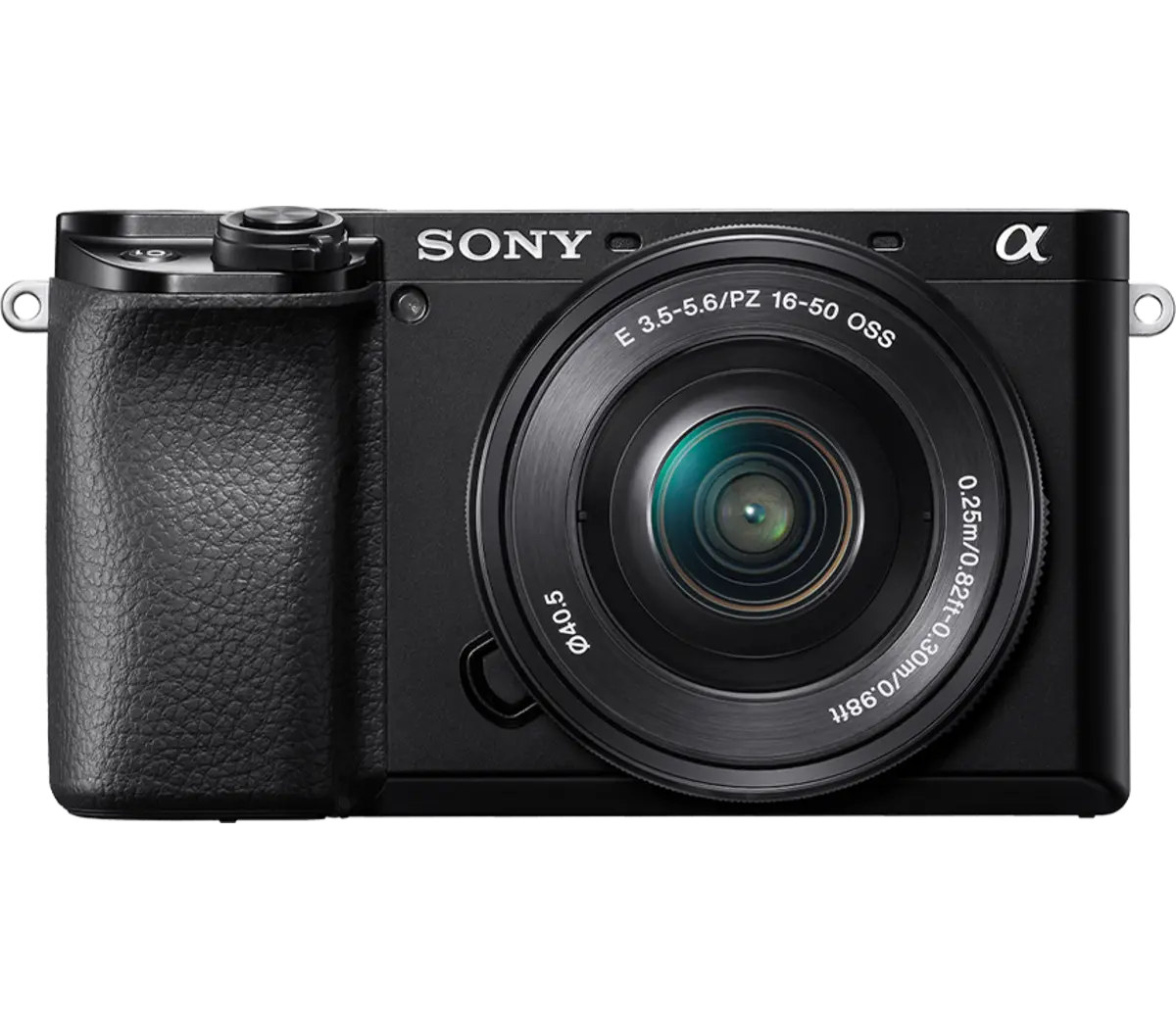
The Nikon Z fc and Sony A6100 are two popular APS-C mirrorless cameras that appeal to photography enthusiasts and entry-level users. Both of these models combine compact designs with powerful features, making them ideal for those transitioning from smartphones to dedicated cameras. The Nikon Z fc stands out with its retro design, while the Sony A6100 offers superior autofocus capabilities. Photographers striving for image quality and those keen on video recording may find themselves choosing between these two models based on their unique strengths and weaknesses.
Specifications Comparison
Detailed Comparison
Image Quality
The Nikon Z fc features a 21-megapixel APS-C sensor, which offers good image quality with a slightly lower resolution compared to the Sony A6100's 24-megapixel APS-C sensor. Both cameras produce detailed images, particularly at lower ISO settings. However, the Z fc has a slightly broader ISO range, extending up to 204800, compared to the A6100's maximum of 51200. This can provide greater usability in low-light situations.
Despite its slightly lower megapixels, the Nikon Z fc's sensor delivers impressive color accuracy and dynamic range, which many photographers prefer. In contrast, the Sony A6100 benefits from a higher pixel count, which can be advantageous for cropping and large prints. Additionally, both cameras' JPEG and RAW output are generally consistent with their respective brand's profiles, appealing to different preferences for processing images in post.
Overall, while both cameras excel in their rights, the additional resolution of the A6100 gives it a slight edge when it comes to capturing fine details. However, the Z fc's expansive ISO capabilities balance this out, making it a tough comparison. Still, for versatility and slightly better nighttime performance, the winner leans towards the A6100.
Autofocus System
The autofocus systems in the Nikon Z fc and Sony A6100 represent two different philosophies. The A6100 boasts a more advanced autofocus system with 425 phase-detection points, which can rapidly lock onto subjects in various lighting conditions. This makes it a more suitable choice for fast-moving subjects, especially in sports or wildlife photography.
In contrast, the Nikon Z fc comes equipped with 209 autofocus points, which while adequate for most scenarios, may not match the speed and coverage offered by the A6100. However, the Z fc's autofocus performance is still commendable, especially for portrait and landscape work where fast action isn't a primary concern.
Given the A6100's superior autofocus points and performance, especially for video shooting and capturing moving subjects, it holds a significant advantage in this area, making it the clear winner for those focused on action and versatility.
Video Capabilities
Both the Nikon Z fc and Sony A6100 feature solid video capabilities with 4K recording at 30 frames per second. This allows videographers to produce high-quality footage suitable for a variety of uses. However, the A6100 provides a broader set of video features, such as a more advanced focus system during video recording and an overall better performance in autofocus tracking for video.
Moreover, while both systems do not have in-body stabilization, the A6100 compensates with superior tracking features and customizable settings for videographers, making it easier to achieve smoother results when filming.
Overall, despite both cameras offering 4K capabilities, the A6100's additional autofocus versatility in video applications pushes it ahead, providing more options for those focused on video content creation.
Build & Ergonomics
The build quality and ergonomics of both cameras cater to different user preferences. The Nikon Z fc showcases a retro aesthetic, with classic dials for control that appeal to photographers who enjoy traditional design elements. Its dimensions are 135 x 94 x 44 mm, weighing 445 g, which can be a bit bulkier compared to the A6100.
On the other hand, the Sony A6100 is more compact at 120 x 67 x 59 mm and weighs only 396 g, making it more portable and comfortable for long shooting sessions. Its minimalist design is focused on functionality but may not appeal to those seeking a more tactile photographic experience.
Ultimately, while the Z fc's design is attractive, users prioritizing portability and lightweight feel might find the A6100 more appealing. For ergonomics, especially during active photography, the A6100 emerges as the winner.
Battery & Storage
When examining battery life, the Sony A6100 clearly outshines the Nikon Z fc, offering approximately 420 shots per charge compared to the Z fc's 300 shots. This increased battery life can be significant for users who prefer extended shooting sessions without interruption.
Both cameras utilize SD cards for storage, with the A6100 supporting UHS-I cards, while the Nikon Z fc is more limited in speed capabilities, which impacts performance when shooting bursts or recording video.
Taking into consideration factors like battery performance and storage speed, the Sony A6100 emerges as the more favorable option, providing a more reliable shooting experience in demanding situations.
Value for Money
The price point is an important factor for many buyers. The Nikon Z fc is priced at $959, while the Sony A6100 is more budget-friendly at $750. This price difference can play a significant role for entry-level users or those looking to invest in accessories.
While both cameras offer good value given their performance, the A6100's more affordable price alongside its extensive feature set and superior autofocus system makes it a better choice for users looking for performance on a budget. However, for those who prioritize design and build quality, the Z fc might justify the higher cost through its aesthetic appeal.
In general, for most users looking for the best overall performance, the lower price alongside the feature set of the A6100 positions it as the better value for money.
Lens Ecosystem
Both Nikon and Sony have developed robust lens ecosystems for their respective mounts. The Nikon Z mount system is still growing, but has a solid selection of native lenses available since its launch. This includes versatile zooms and quality primes catering to various styles of photography. On the other hand, the Sony E mount has a more extensive collection of lenses available due to its longer time on the market, including an impressive array of third-party lenses.
For photographers who may want to explore different styles and subjects, the A6100 benefits from the breadth and depth of Sony's lens offerings, making it easier to find suitable lenses for specialized needs. Additionally, the availability of third-party lenses adds even more versatility and value.
In this case, the Sony A6100 takes the lead, offering greater variety and options for users looking to expand their creative potential through lens choices.
Our Verdict
The Sony A6100 emerges as the overall winner between the two cameras, primarily due to its superior autofocus system, longer battery life, more extensive lens ecosystem, and value for money. This makes it an appealing choice for photographers who prioritize speed and versatility, particularly for action and video work. On the other hand, the Nikon Z fc offers a unique retro design that may attract users who value aesthetics and a more traditional photographic experience. For those who enjoy the vintage camera feel, the Z fc is certainly a worthy competitor; however, in a broad comparison of features and performance, the A6100 provides more advantages for most users.
Nikon Z fc
Sony A6100
Also Compare
Frequently Asked Questions
Which camera is better for low-light photography?
The Nikon Z fc has a higher maximum ISO sensitivity, going up to 204800, making it more suitable for low-light conditions. However, the Sony A6100 offers slightly better image quality at low ISO and features better overall autofocus performance.
How do the autofocus systems differ?
The Sony A6100 has 425 autofocus points compared to 209 in the Nikon Z fc, giving it superior tracking capabilities for fast-moving subjects and video recording.
Which camera has better battery life?
The Sony A6100 offers approximately 420 shots per charge, which is significantly better than the Nikon Z fc's 300 shots, making the A6100 more suitable for long shooting sessions.
Are there more lens options for Nikon or Sony?
Sony has a more extensive lens ecosystem with a wider variety of native and third-party options. Nikon's Z mount system is still growing but offers fewer options overall.
Is the design of the Nikon Z fc worth the higher price?
If retro aesthetics and traditional controls are important to you, the Nikon Z fc provides a unique experience that may justify its higher price. However, for sheer performance and versatility, the A6100 is the better choice.