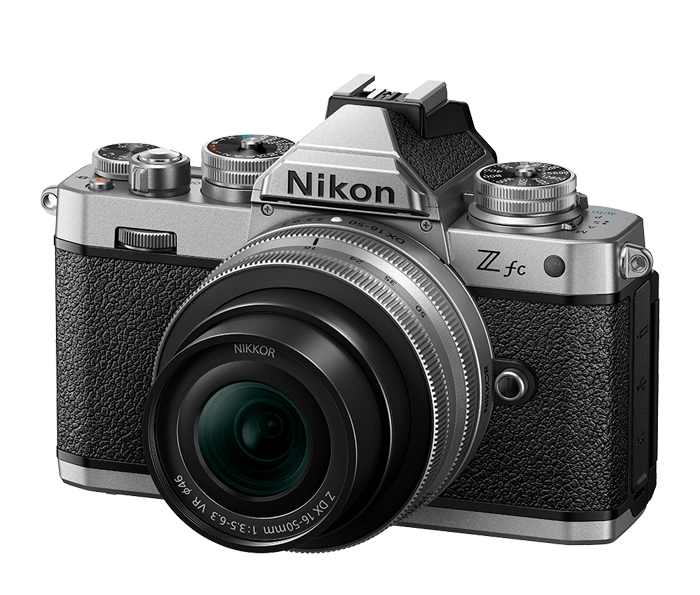
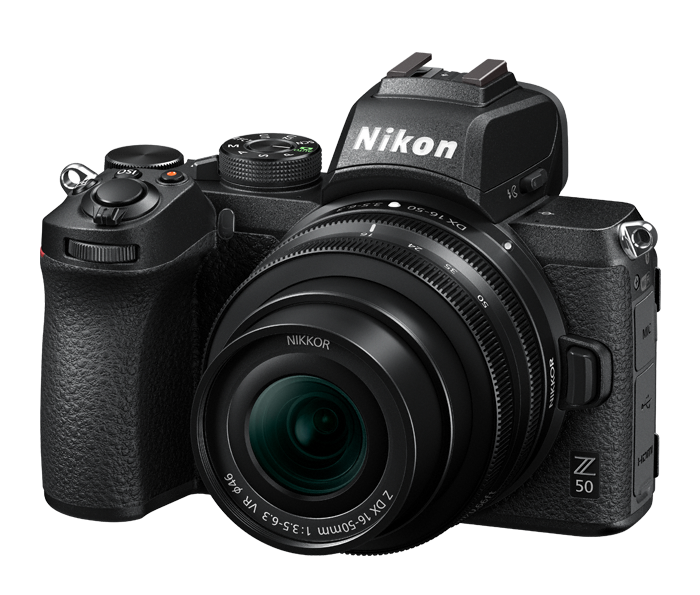
The Nikon Z fc and Nikon Z50 are both APS-C mirrorless cameras that cater to enthusiasts and intermediate photographers. Frequently compared due to their similar specifications, these cameras attract buyers looking for compact, versatile systems that excel in various shooting scenarios. The primary differentiators between these models lie in their build quality, user experience, and additional features that may appeal to different types of photographers. Buyers must weigh these factors according to their specific needs, whether it's for casual photography, vlogging, or traveling.
Specifications Comparison
Detailed Comparison
Image Quality
Both the Nikon Z fc and Nikon Z50 utilize the same 21-megapixel APS-C sensor, providing similar image quality in terms of resolution and dynamic range. They both perform well at higher ISO settings, with expansive ranges up to 51,200 natively and a further extension in the Z fc to 204,800, which may appeal to low-light shooters. In practice, the image quality is largely comparable; however, various processing tweaks in firmware updates may contribute to slight differences in JPEG rendering between the two models.
In terms of raw files, both models allow for significant flexibility in post-processing, retaining detail and color accuracy. However, users may find that the Z fc, released later in 2021, comes with more refined processing algorithms due to updates. Overall, while both provide excellent image quality suitable for professional use, the differences may be negligible for most users.
Ultimately, considering sensor performance, both cameras deliver exceptional images, making this a close point of comparison with no clear advantage. However, with firmware enhancements and newer technology, we can edge the winner slightly toward the Z fc for its updated performance.
Autofocus System
Both cameras feature identical autofocus systems with 209 focus points and good subject tracking capabilities, which make them capable of handling fast-moving subjects effectively. The autofocus performance is generally reliable, providing satisfactory results in various shooting conditions. Both cameras utilize Nikon's advanced algorithms that detect and support face and eye detection for portraits and video.
In real-world tests, users have reported that while both systems are responsive, the Z50's slightly earlier release allowed for more iterative updates, resulting in a potentially more stable performance out of the box. However, with the Z fc benefiting from more recent software updates, many users have experienced comparable autofocus performance in practice.
Given the equal specifications and similar user satisfaction, this section concludes in a tie. Both models have competitive autofocus systems, and the decision may ultimately depend on personal experience or preference toward the newer Z fc or the well-established Z50.
Video Capabilities
For video enthusiasts, both the Nikon Z fc and Z50 allow for 4K video recording at 30 frames per second, making them fairly equal in this regard. However, it's worth noting that the Z fc comes with a few additional video-friendly features such as a more versatile screen that flips out to 180 degrees, making it ideal for vlogging and content creation.
Both cameras also feature electronic stabilization; however, neither offers robust in-body stabilization, which could be a drawback for videographers looking for seamless handheld shooting. The lack of stabilization means that users will need to rely on lens stabilization or external gimbals for smoother video sequences.
Considering the additional flexibility that the Z fc grants to videographers through its design, we can declare this aspect in favor of the Z fc, especially for those primarily focusing on video content and vlogging.
Build & Ergonomics
When it comes to build quality, the Z50 features weather sealing, which gives it an edge in durability and reliability during shooting in adverse conditions. This may be particularly appealing to outdoor photographers. The Z fc, while also well-built, lacks this weather resistance, making it potentially less suitable for challenging environments.
In terms of ergonomics, the Z fc leans into a retro design that many users appreciate for its aesthetic appeal and physical dials for settings, which can enhance the shooting experience. Conversely, the Z50 presents a more straightforward and modern design that some may find more practical in a variety of shooting situations.
While the design features of the Z fc can enhance user experience, the Z50's weather-sealed body gives it a clear advantage for those needing a rugged camera. Therefore, this section concludes that the Z50 is slightly more well-rounded for various environments.
Battery & Storage
In terms of battery life, the Nikon Z50 offers a better performance with approximately 320 shots per charge compared to the Z fc's 300 shots. This slight difference can add up during long shooting days, making the Z50 a more reliable option for those who don't frequently carry spare batteries.
Both cameras utilize the same battery type and share similar storage needs, with both supporting UHS-II SD cards for fast write speeds. This allows for efficient handling of high-resolution images and 4K video without throttling.
Given the higher battery life of the Z50, it easily takes the win in this category, especially for users planning to shoot for extended periods without the convenience of battery swaps.
Value for Money
Both the Nikon Z fc and Z50 are competitively priced, with the Z fc retailing for $959 and the Z50 at $859. While the Z fc's price tag aligns with its newer technology and advanced features, it may seem less appealing for those on a tighter budget.
The Z50, being slightly older, presents a more attractive value proposition, particularly because it still offers excellent performance across the board despite being somewhat less feature-rich. For new photographers, the lower price of the Z50 also makes it an attractive entry point into Nikon's mirrorless lineup if one does not require the aesthetic appeal or additional video features of the Z fc.
Considering the overall performance standards and the more budget-friendly price of the Z50, it indeed captures better value for those seeking a reliable yet cost-effective camera solution.
Our Verdict
In conclusion, the Nikon Z fc takes slight advantages in image quality and video capabilities thanks to its updated technology and vlogging features, while the Z50 shines in build quality, battery life, and overall value. Both cameras are highly capable, and the choice between them depends on the specific needs of the user. If the design and video features appeal more to a user, they may lean towards the Z fc, whereas those focused on ruggedness and battery endurance might prefer the Z50. Ultimately, both cameras serve their respective markets well and ensure excellent user experiences, leading to an overall balanced comparison.
Nikon Z fc
Nikon Z50
Also Compare
Frequently Asked Questions
Is the Nikon Z fc better for vlogging than the Z50?
Yes, the Z fc has a fully articulating screen that is more suitable for vlogging, while the Z50's screen tilts only. This feature makes the Z fc more flexible for content creators.
Does one camera have better low-light performance?
Both cameras share the same sensor and have similar specifications for low-light performance. The Z fc's higher ISO expansion may give it a slight edge, but in practice, performance will be very similar.
Which camera is better in terms of portability?
The Z fc is slightly lighter and more compact than the Z50, making it a better choice for photographers prioritizing portability.
Should I choose the Z50 for outdoor shooting?
Yes, the Z50 features weather sealing, making it more suitable for outdoor shooting in various environmental conditions compared to the Z fc.
What is the difference in battery life between the two cameras?
The Nikon Z50 has a longer battery life, averaging around 320 shots, compared to the Z fc's 300 shots. If battery endurance is crucial, the Z50 would be the better choice.