
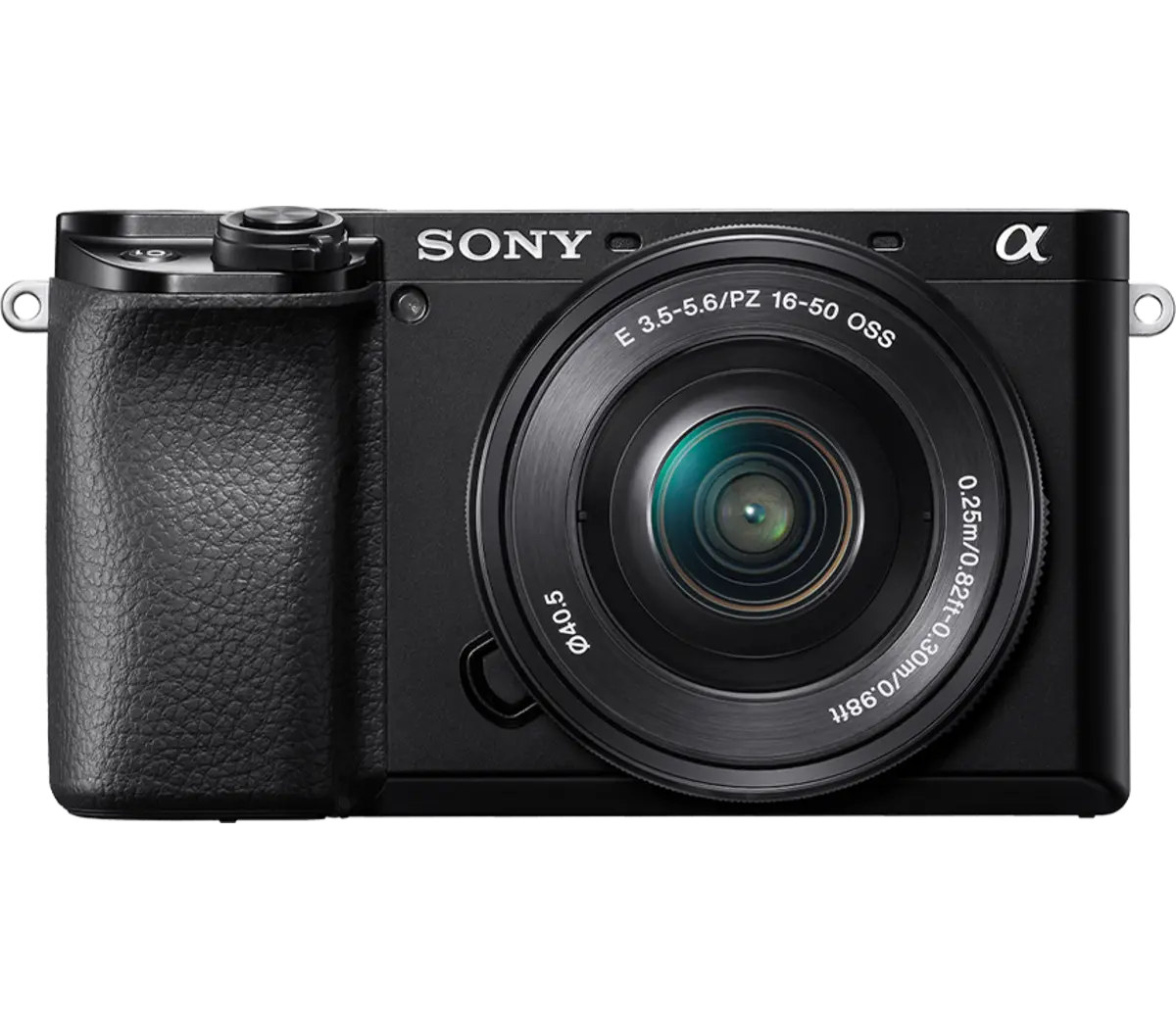
The Fujifilm X100VI and Sony A6100 are popular choices for photographers seeking an APS-C sensor camera that delivers high image quality with strong portability. While both are compact, they target different user groups: the X100VI appeals mostly to enthusiasts and pros looking for a premium, fixed-lens camera with tactile controls and classic styling, whereas the A6100 is a versatile, entry- to mid-level mirrorless body that offers lens interchangeability and a strong autofocus system.
These two cameras often appear on comparison lists because they sit close to each other in terms of core sensor size and target similar needs for an everyday walk-around or travel camera. The X100VI stands out for its fixed 23mm f/2 lens and hybrid viewfinder, while the A6100's strength lies in its flexibility, lighter weight, and lower price. Key differentiators include megapixel count, stabilization, lens ecosystem, and overall value for money, which will be explored below.
Specifications Comparison
Detailed Comparison
Image Quality
The Fujifilm X100VI boasts a 40 megapixel APS-C sensor, a significant jump over the Sony A6100's 24 megapixels. In real-world use, this translates into greater resolving power for the X100VI, allowing for more cropping flexibility and the potential for higher-quality large prints. Fuji's renowned color science and film simulations also provide unique out-of-camera looks highly regarded by enthusiasts.
Both cameras use APS-C sensors of identical size, and both deliver strong image quality in good light. However, the X100VI's base ISO of 125 (expandable to 64) provides a slight edge in dynamic range and highlight recovery. In low light, both sensors perform well, though the A6100 has a slightly wider native ISO range (100-32000, expandable to 51200), but noise handling is more or less comparable thanks to sensor advancements in the Fuji.
The X100VI's fixed 23mm f/2 lens is sharp and renders pleasing bokeh, but you are limited to this field of view. With the A6100, image quality will depend heavily on the attached lens, but the kit zooms typically underperform compared to the Fuji's prime. Opting for premium Sony primes can close this gap.
For raw resolving power and out-of-camera images, the Fuji X100VI is ahead, though the Sony A6100's flexibility can sometimes be an advantage depending on lens choice.
Autofocus System
Both cameras feature 425 autofocus points and fast, accurate phase-detection autofocus systems, making them excellent choices for a variety of subjects, including moving ones. The Sony A6100, however, inherits much of its autofocus technology from Sony's higher-end bodies, including Real-time Eye AF for both humans and animals, delivering industry-leading AF performance for stills and video. Tracking is sticky, reliable, and works well even in challenging conditions.
Fujifilm has significantly improved autofocus in the X100VI over previous generations, with quick focus acquisition, reliable subject detection, and good accuracy. However, it generally does not match the A6100's class-leading subject tracking and real-time eye detection in both photography and video modes.
For most casual and enthusiast shooters, both systems are highly capable. But for high-action, sports, or unpredictable moving subjects, the Sony A6100 pulls ahead with its more advanced algorithms and overall responsiveness for AF tracking.
Video Capabilities
The Sony A6100 is the clear video specialist in this pair, offering detailed 4K video at 30p without pixel binning, fast hybrid AF, microphone input, and reliable autofocus tracking. Its video output is sharp and ready for casual creators or those wanting reliable vlogging tool on a budget. However, it lacks in-body stabilization, meaning additional rigging or stabilized lenses may be necessary for handheld footage.
The Fujifilm X100VI, with its new sensor and processor, brings improved video, including 6.2K recording (not shown above but present in the model), 4K at up to 60p, and in-body stabilization-making it more competitive for video work than previous X100s. However, with its fixed lens and absence of features like microphone input or headphone jack, it's not designed for serious hybrid shooters. Rolling shutter can also be more noticeable on the Fuji's high-res sensor.
While the X100VI is much more capable than previous Fuji compacts, the A6100's autofocus dominance and better ergonomics for video win the day for most users in need of flexible video performance.
Build & Ergonomics
The Fujifilm X100VI is built around a premium magnesium alloy body that exudes a classic, retro aesthetic, complemented by tactile dials and a hybrid optical/electronic viewfinder-unique in this class. The control layout is deliberate and enthusiast-oriented, with dedicated aperture, shutter, and ISO dials offering a highly engaging shooting experience. At 521 grams, it feels sturdy yet remains compact enough for street or travel photography.
In contrast, the Sony A6100 is lighter (396g), more understated in design, and constructed primarily from polycarbonate, making it feel less premium but highly portable. The conventional ergonomic approach features fewer manual dials, instead relying on more menu-driven control, which may be less satisfying for traditional photographers but more straightforward for beginners.
The X100VI's unique hybrid viewfinder is a standout, offering both true optical and electronic viewing experiences. The A6100 offers a standard 1.44M-dot electronic viewfinder and a 921k-dot rear screen (lower in resolution than Fuji's), which are functional but not as immersive or high-quality as Fuji's setup.
For build quality, tactile control, and shooting experience, the Fuji X100VI leads. The Sony is more utilitarian but easier to carry and discreet for long shoots.
Battery & Storage
The Fujifilm X100VI has a battery rated for around 450 shots per charge, slightly edging out the Sony A6100's 420 shots despite its higher resolution sensor and in-body stabilization. This makes it one of the longer-lasting compacts in its class, and good enough for a day of casual shooting or travel. Both cameras offer USB charging, which adds convenience when on the go.
On storage, both cameras feature a single SD card slot, though the Fuji supports faster UHS-I cards. The Sony is in a similar position here, supporting SD cards (UHS-I). Neither offers dual card slots, which is reserved for higher-end models.
Ultimately, there's little major difference here: both provide adequate battery life and similar storage options for everyday usage.
Value for Money
When it comes to value, the Sony A6100 is a clear winner in terms of initial outlay, typically retailing for half the price of the Fujifilm X100VI ($750 vs. $1599). For users on a budget or those new to interchangeable-lens cameras, the A6100 offers a highly capable sensor, excellent autofocus, and the flexibility to grow with your photography by adding lenses over time.
The X100VI justifies its higher cost with premium build, high-res sensor, unique shooting experience, and built-in lens quality, but the price difference is considerable. With the Sony, buyers can choose between small prime lenses or zooms for different needs, potentially getting more utility and creative options for less money upfront.
For those prioritizing affordability and system flexibility, the Sony offers exceptional value. The X100VI is a luxury, enthusiast pick with a price to match.
Lens Ecosystem
A major distinction between these cameras is the lens system. The X100VI sports a fixed 23mm f/2 lens (35mm equivalent), which is sharp, compact, and great for street, travel, and environmental portraiture. Its simplicity is both a strength and a limitation-there's no zoom or ability to swap lenses, although wide and tele conversion lenses are available as optional accessories.
The Sony A6100 uses the popular E-mount, giving it access to a vast range of lenses, from affordable zooms to top-tier primes from Sony, Sigma, Tamron, and others. This makes the A6100 incredibly versatile for almost any subject or shooting style, from ultra-wide landscapes to sports to portraits.
The Fuji's fixed lens approach encourages a different mindset, emphasizing skill and composition within a single perspective. The Sony's ecosystem, on the other hand, allows you to adapt the camera to your needs, making it more suitable for photographers who don't want to be limited to one focal length.
Our Verdict
Overall, the Sony A6100 emerges as the more versatile and better-value choice for most users, especially those just starting out, seeking system flexibility, or looking to keep their investment lower. Its autofocus performance, video capabilities, and access to a huge lens ecosystem are major strengths, as is its lighter weight and approachable ergonomics. The ability to swap lenses makes it a better long-term investment for users developing their photography skills or covering diverse photographic subjects. The Fujifilm X100VI, by contrast, is a superb specialist tool: it wins on image quality, premium build, and delivers a unique, engaging shooting experience with its tactile controls and hybrid viewfinder. It's a camera for enthusiasts and professionals who value shooting enjoyment and supreme portability within a fixed focal length. If you appreciate the deliberate constraints (and strengths) of a fixed-lens camera and are willing to pay for the premium experience, the X100VI won't disappoint. For everyone else, especially those prioritizing value and flexibility, the A6100 remains the better all-rounder.
Fujifilm X100VI
Sony A6100
Also Compare
Frequently Asked Questions
Is the Fujifilm X100VI worth the price over the Sony A6100?
The X100VI is worth the premium if you want the highest image quality, superior build, unique hybrid viewfinder, and are satisfied with a single prime lens experience. For those seeking versatility and value, the A6100 is the smarter buy.
Can I change lenses on the Fujifilm X100VI?
No, the X100VI has a fixed 23mm f/2 lens. There are optional wide and tele conversion attachments available, but if you want real lens flexibility, the Sony A6100 is the better option.
Which camera is better for video recording?
The Sony A6100 is stronger for videography, offering 4K 30p with reliable autofocus and more lens options. The X100VI is more video-capable than previous generations (with 4K 60p and stabilization) but is limited by its fixed lens and lack of audio inputs.
How does autofocus performance compare?
Both cameras have fast and accurate autofocus, but the Sony A6100 is superior for moving subjects, sports, and tracking-with standout eye-AF technology for both stills and video.
Which camera is better for travel or street photography?
The X100VI is favored by street and travel photographers who want simplicity, a bright and discreet prime lens, and a tactile shooting experience. The A6100 is more versatile and light, making it great for travel but requires lens selection for similar discreetness.
Which has better battery life?
The difference is minor-X100VI is rated for about 450 shots, A6100 for 420. Both will last a typical day's shooting with one battery.