
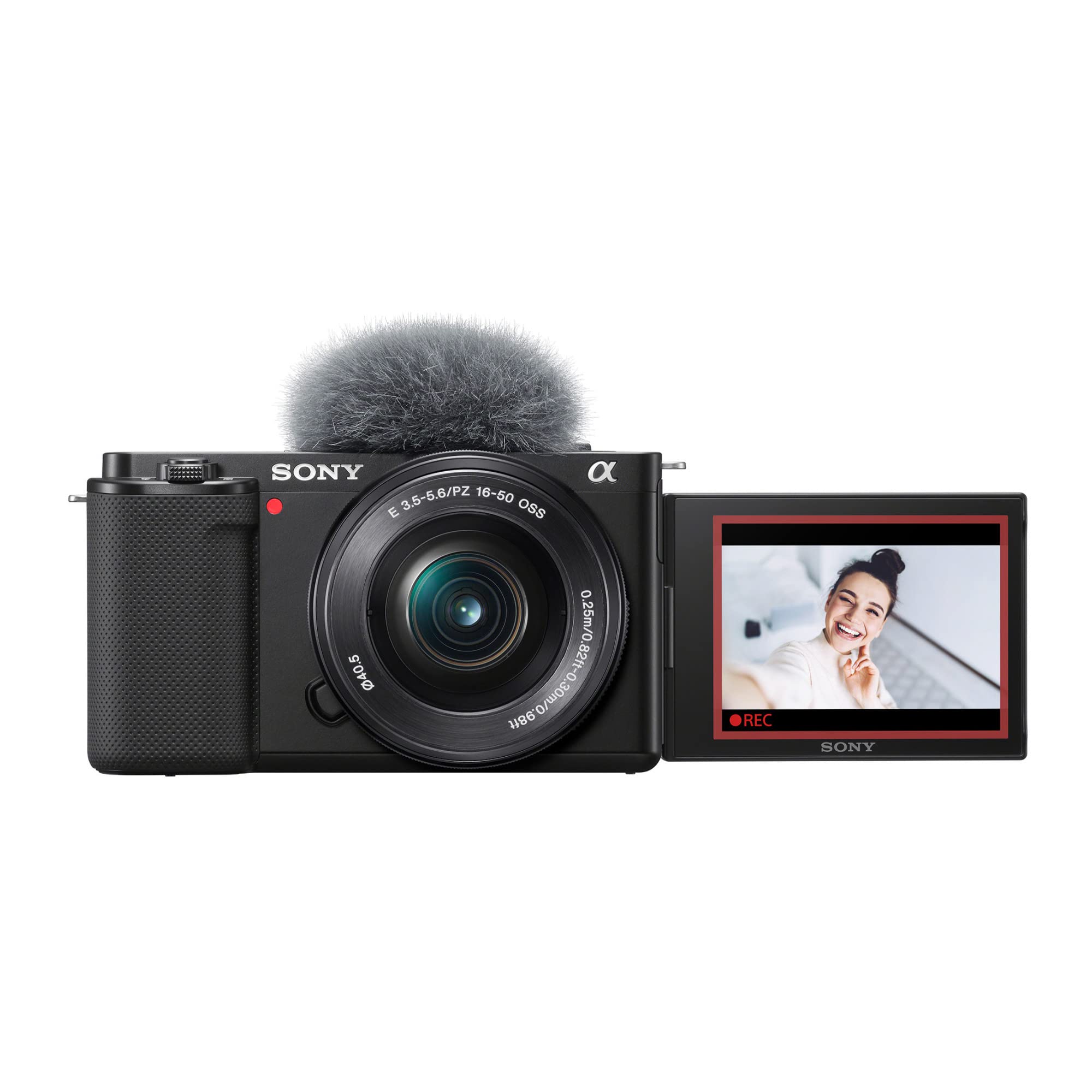
When choosing a camera, the Fujifilm X-T5 and the Sony ZV-E10 frequently capture the attention of photographers, vloggers, and content creators alike. They represent two different philosophies of camera design and functionality, with the X-T5 being a robust mirrorless camera focused on advanced photography, while the ZV-E10 is designed for video-centric usage and vlogging. Those who are weighing options between these models typically seek to find the best fit for their photographic style and needs, from image quality to portability and ease of use. Key differentiators include image resolution, stabilization capabilities, and ergonomic design, making this comparison critical for potential buyers.
Specifications Comparison
Detailed Comparison
Image Quality
The Fujifilm X-T5 features a 40-megapixel APS-C sensor, allowing for extremely high-resolution images that are ideal for large prints and heavy cropping without loss of detail. This is paired with Fujifilm's renowned film simulation modes, which provide unique color profiles that appeal to both amateur and professional photographers. In low light, the X-T5 performs excellently, with the ISO range expandable from 64 to 51200, offering versatility in various lighting conditions.
On the other hand, the Sony ZV-E10, while equipped with a capable 24-megapixel APS-C sensor, might not quite reach the high-resolution detail offered by the X-T5. The ZV-E10's ISO flexibility stretches from 50 to 51200, but with a lower maximum resolution, it is primarily built to handle everyday shooting scenarios rather than demanding professional-level applications. Although the image quality of the ZV-E10 is satisfactory, it typically won't match the detail captured by the X-T5, especially at higher resolutions and prints.
Given the superior resolution and color science of the X-T5, it clearly stands out for those prioritizing image quality.
Autofocus System
Both the Fujifilm X-T5 and the Sony ZV-E10 boast impressive autofocus systems with 425 phase-detection points. This allows for rapid focusing, which is essential for capturing fast-moving subjects. However, the X-T5 benefits from more advanced autofocus features, including face and eye-detection that is often regarded as class-leading in various shooting scenarios, particularly in challenging lighting conditions.
The ZV-E10 also includes reliable face detection, which makes it suitable for vlogging and portrait work. Yet, when comparing the responsiveness and accuracy of focus tracking, especially in dynamic situations like sports or wildlife photography, the X-T5's superior autofocus performance becomes apparent. Additionally, the X-T5 supports continuous shooting at 15 fps with autofocus tracking, which enhances its usability for fast-paced photography.
Thus, if autofocus performance is a priority, the X-T5 clearly outshines the ZV-E10 with its more sophisticated algorithms and capabilities.
Video Capabilities
The Sony ZV-E10 is marketing itself as a vlogger's best friend, boasting essential features tailored for video enthusiasts. It captures high-quality video up to 4K at 30 fps and is equipped with great onboard audio options, which is a critical consideration for many vloggers. The ZV-E10 also includes a flip-out screen, making it easier for content creators to frame their shots while recording.
In contrast, while the Fujifilm X-T5 offers impressive video capabilities, it focuses more on photography and advanced film simulation features than on dedicated video features. The X-T5 can also record 6.2K at up to 30 fps, offering more flexibility for users looking to produce high-resolution content. However, it lacks some of the mobile-centric features of the ZV-E10, such as a fully articulating screen optimized for vlogging.
For those whose primary focus is on video, particularly for social media or streaming, the ZV-E10 has the edge due to its user-friendly features and specifications, although the X-T5 offers more advanced video quality.
Build & Ergonomics
The Fujifilm X-T5 features a robust build with weather-sealing, making it highly durable and ready for various shooting environments. The design is classic and ergonomically pleasing, fitting comfortably in the hands of users who appreciate tactile controls, dials, and a traditional camera layout, which many photographers find appealing.
In contrast, the Sony ZV-E10 is lighter and more compact, which may make it a preferable option for vloggers or travelers looking for portability. However, the absence of weather-sealing can be a drawback for photographers who require tougher builds for outdoor shoots. Additionally, while the ZV-E10 has optimized controls for video recording, it lacks some of the tactile feedback found in the X-T5, which can enhance the shooting experience for photography.
Ultimately, while the ZV-E10 excels in portability, the X-T5 is better suited for those seeking a camera built to withstand the rigors of professional photography environments.
Battery & Storage
The Fujifilm X-T5 possesses robust battery life, rated for 580 shots per charge, making it suitable for extensive shooting sessions without constant need for recharging. This is especially advantageous for photographers on long shoots or in remote locations.
On the other hand, the Sony ZV-E10 is rated for 440 shots per charge, which is decent but still not on par with the X-T5. Both cameras utilize SD cards for storage, however, the X-T5 offers dual card slots, giving more options for high-capacity storage and backup, especially beneficial for professional photographers who shoot in RAW or burst mode.
In terms of longevity and storage capabilities, the X-T5 presents significant advantages for users needing reliability during extended shooting sessions, thus making it the better choice when considering battery life and storage options.
Value for Money
At a price point of $1699, the Fujifilm X-T5 stands as a premium offering that boasts advanced technology and features aimed at serious photographers. The higher price is justified by its superior resolution, build quality, and advanced autofocus system, which can be incredibly valuable for professionals and enthusiasts alike.
In contrast, the Sony ZV-E10, priced at $700, caters to a different market segment that primarily includes content creators and vloggers. It offers a lower entry point for those looking to start their journey in videography without sacrificing too much on performance. This positions the ZV-E10 as a tremendous value for those who seek functionality without the need for the advanced features of the X-T5.
While the X-T5 undoubtedly offers a more premium experience, the ZV-E10 presents a compelling case for budget-conscious videographers and casual shooters looking for a capable camera to fulfill their basic needs. As a result, the value for each camera is contextual depending on the user's specific requirements and shooting style.
Our Verdict
Overall, the Fujifilm X-T5 triumphs due to its superior image quality, advanced autofocus system, and robust build quality, making it the preferred choice for serious photographers who demand precision and performance. However, the Sony ZV-E10 holds its ground as an excellent option for vloggers and casual shooters seeking quality video features at a more accessible price. Buyers should consider their specific needs: if high resolution and advanced photography capabilities are priorities, the X-T5 is the winner; however, if video functionality and budget are the deciding factors, the ZV-E10 provides strong value.