
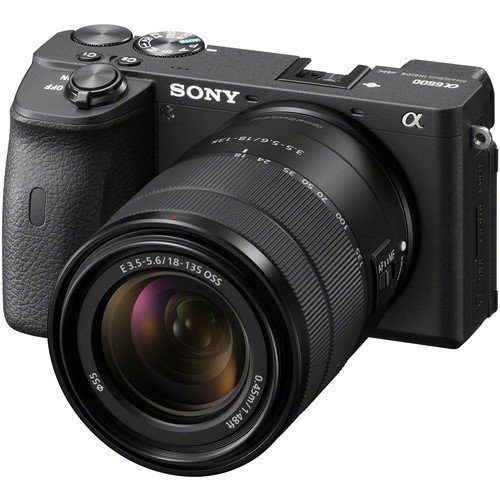
The Fujifilm X-T5 and Sony A6600 are two leading APS-C mirrorless cameras that cater to photographers seeking high-quality imaging in a compact form factor. The X-T5, released in 2022, offers a significant boost in resolution with its 40MP sensor, while the A6600, introduced in 2019, is revered for its robust performance and advanced autofocus capabilities. Both cameras attract enthusiasts, vloggers, and professionals alike who value portability without compromising on image quality. The choice between them generally hinges on specific use cases, such as resolution needs, video capabilities, and brand ecosystem preferences.
Key differentiators include the X-T5's higher megapixel count and excellent in-body image stabilization, while the A6600 provides extended battery life and a slightly more compact form factor. Each camera offers unique strengths, making it essential for buyers to understand how each fits into their style of photography or videography.
Specifications Comparison
Detailed Comparison
Image Quality
When it comes to image quality, the Fujifilm X-T5 takes the lead with its impressive 40MP sensor that delivers exceptional detail and sharpness, especially evident in large prints or when cropping images. The expanded ISO range (64-51200) offers great flexibility in low-light conditions, allowing photographers to capture cleaner images under challenging lighting. Additionally, Fujifilm's renowned color science produces rich and pleasing colors straight out of the camera.
In contrast, the Sony A6600 features a 24MP sensor that, while capable, does not match the level of detail provided by the X-T5. However, it offers a wider ISO range that extends to 102400, which is advantageous for extreme low-light scenarios. The A6600 still delivers impressive dynamic range and low noise performance, making it a strong contender for many photographers, particularly in everyday shooting scenarios.
Ultimately, for photographers who prioritize the highest possible image quality and resolution, the X-T5 emerges as the clear winner in this category.
Autofocus System
Both the Fujifilm X-T5 and Sony A6600 feature impressive autofocus systems, boasting 425 points that cover a large area of the frame. The X-T5 benefits from Fujifilm's advanced subject tracking capabilities, enabling it to focus accurately on moving subjects, making it particularly effective for action photography. Its autofocus system excels in low-light scenarios, enhanced by its higher resolution.
On the other hand, Sony's Real-Time Eye Autofocus technology provides exceptional accuracy when tracking human and animal eyes, making the A6600 a favorite among portrait and wildlife photographers. Its performance in continuous shooting bursts is reliable for capturing fast-moving subjects thanks to its 11 FPS burst rate.
For users who prioritize fast and accurate autofocus for a variety of situations, both systems are incredibly capable. However, with a slight edge in overall versatility and advanced tracking features, the X-T5 takes the lead in autofocus performance.
Video Capabilities
In terms of video capabilities, the Fujifilm X-T5 offers superior resolution options, capable of recording in 6K at 30p and 4K at 60p, making it an excellent choice for videographers seeking high-quality footage. It also provides various filming profiles, including F-Log, allowing for more flexibility in post-production color grading. The advanced in-body stabilization enhances video quality by minimizing shakes, making handheld shooting much more manageable.
Conversely, the Sony A6600 excels with its 4K video resolution at 30p but lacks the same high frame rate options available in the X-T5. However, it does feature excellent audio input options and a headphone jack, making it a pragmatic choice for vloggers and content creators who want on-the-go audio monitoring. The A6600's video quality is still top-notch for most users, particularly when utilizing its S-Log profiles for improved dynamic range.
Considering these factors, the enhanced video capabilities of the X-T5 give it an undeniable advantage, making it the better option for serious videographers.
Build & Ergonomics
Both cameras offer solid build quality with weather sealing, although the X-T5 has a more robust feel thanks to its slightly larger dimensions and weight (557g compared to A6600's 503g). The X-T5 features a more traditional dials layout which many photographers find intuitive and satisfying, and it feels sturdy and comfortable in hand during prolonged use.
On the flip side, the A6600's compact design and overall smaller footprint make it easier to carry around, appealing to those who prioritize portability. Its controls are more digital-oriented, which may appeal to users familiar with modern camera interfaces.
While both cameras are comfortable to use, those who value a classic photographic experience with superior ergonomics may prefer the X-T5, but the A6600's lightweight design caters well to on-the-go shooting.
Battery & Storage
Battery life is another important consideration for photographers, and the Sony A6600 has an edge in this department with a lifespan of around 810 shots per charge, which is notably higher than the Fujifilm X-T5's 580 shots. This extended battery life can be a significant advantage during long shooting days, especially for events or travel.
Both cameras use comparable storage formats, with the A6600 supporting UHS-I SD cards while the X-T5 supports both UHS-I and UHS-II, allowing for faster write speeds, especially when shooting in rapid succession.
In summary, for those who prioritize battery longevity during shooting, the A6600 is the better option, providing more shots on a single charge. However, the X-T5's better writing speed might appeal to those who shoot large volumes of high-res images or videos.
Value for Money
At a price of $1400, the Sony A6600 is positioned as a solid entry point for those looking to invest in quality APS-C photography. Given its features, such as fantastic autofocus performance, long battery life, and compact design, it provides great value for amateur photographers and enthusiasts alike.
Conversely, the Fujifilm X-T5 at $1699 offers a higher megapixel count, advanced video capabilities, and a more robust build, making it a good investment for serious photographers who require the best performance. While its higher cost might deter some, the added features and quality somewhat justify the price.
Ultimately, the choice hinges on how the buyer intends to use the camera; for casual users or those with budget constraints, the A6600 offers tremendous value, while professional users who demand top performance may find the X-T5's price well worth it.
Lens Ecosystem
The Fujifilm X-mount lens lineup is robust and continues to grow, offering high-quality prime and zoom options that cater to various photography styles. Moreover, Fujifilm's lenses are designed to complement their camera systems, which leads to excellent performance in both image quality and autofocus. However, lens options are more limited than the Sony's selection.
The Sony E-mount system is one of the most expansive lens ecosystems available, providing an extensive range of lenses from ultra-wide to telephoto. This variety benefits users seeking specialized lenses or more options for creative photography and videography.
For those who prioritize lens diversity and availability, the A6600 offers a distinct advantage with its vast array of compatible lenses available from multiple manufacturers. Conversely, if users are largely committed to Fujifilm's aesthetic and quality, the X-T5's lenses will not disappoint.
Our Verdict
In the end, while the Fujifilm X-T5 and Sony A6600 each have their strengths, the X-T5 stands out as the overall winner, particularly for photographers who prioritize image quality, advanced video capabilities, and superior autofocus performance. Its higher resolution and superior build quality make it an ideal camera for serious enthusiasts and professionals. On the other hand, for casual shooters or those who place importance on battery life and lens versatility, the A6600 presents a compelling choice that doesn't compromise too significantly on quality.