
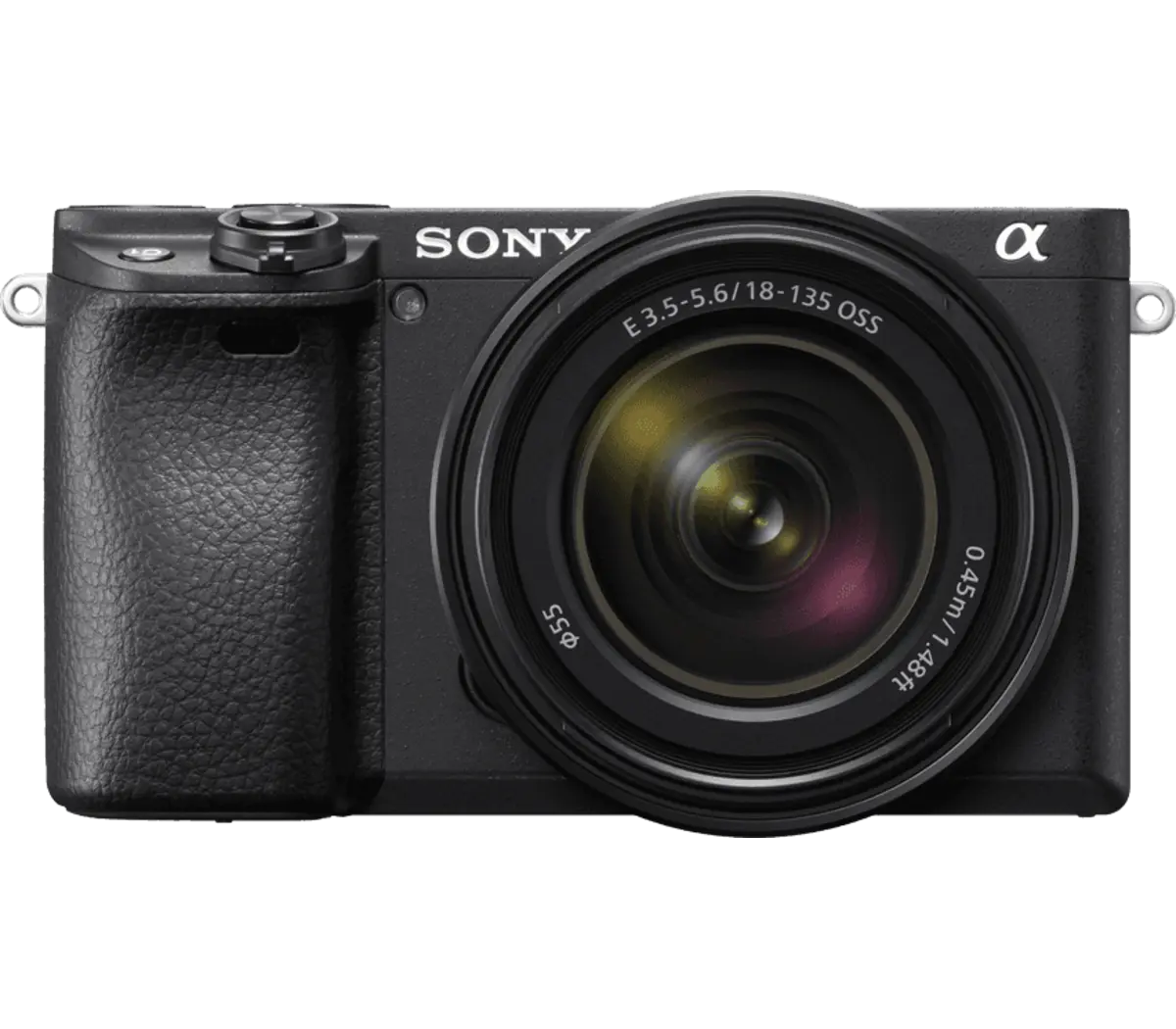
The Fujifilm X-T5 and the Sony A6400 are two leading contenders in the APS-C mirrorless camera category, often compared by photographers and videographers alike. Both cameras target enthusiasts and professionals who seek high-quality results in a compact form. While the Fujifilm X-T5 offers a higher resolution and more advanced features, the Sony A6400 stands out due to its lighter weight and more budget-friendly price. Choosing between these two models typically boils down to the photographer's preferences regarding image quality, autofocus performance, and overall value.
Specifications Comparison
Detailed Comparison
Image Quality
When it comes to image quality, the Fujifilm X-T5 boasts a 40-megapixel sensor that delivers exceptional detail and dynamic range. This higher resolution allows for better large prints and cropping capabilities without sacrificing image quality. The camera also features an extended ISO range from 64 to 51200, resulting in superior performance in low-light conditions. In contrast, the Sony A6400 features a 24-megapixel sensor with a standard ISO range extending from 100 to 32000 and expanding to 102800, which is respectable but doesn't quite match the X-T5's versatility in extreme lighting scenarios.
However, the A6400 is known for its color accuracy and performance in post-processing, which some users may prefer. Fujifilm cameras have a unique Film Simulation mode, allowing for diverse color profiles straight out of the camera. While both cameras can produce stunning images, the X-T5 leads in resolution and detail, especially in challenging lighting situations.
Overall, while both cameras deliver impressive image quality, the Fujifilm X-T5's higher resolution and low-light benefits give it the edge.
Autofocus System
Both the Fujifilm X-T5 and the Sony A6400 feature robust autofocus systems, with 425 phase-detection points in each unit. The X-T5 excels with faster recognition and tracking capabilities, especially for moving subjects. It also boasts features like face and eye detection that are particularly refined, making it a fantastic choice for portrait and wildlife photographers.
On the other hand, the A6400 has an impressive Real-Time Eye Autofocus feature that performs remarkably well for both humans and animals, making it highly effective for capturing spontaneous moments and action shots. While both systems have advantages, the A6400's autofocus might be more appealing for users who prioritize fast-paced photography in dynamic environments.
In conclusion, the Fujifilm X-T5's autofocus is slightly superior overall, but the Sony A6400's Real-Time Eye AF gives photographers a competitive edge in particular scenarios.
Video Capabilities
Video capabilities are a crucial consideration for many modern photographers. The Fujifilm X-T5 excels with its ability to capture 6.2K video at 30p and offers a myriad of recording options. It supports F-Log recording, which allows for more extensive post-production flexibility and color grading. Additionally, its in-body stabilization of 7 stops is invaluable for handheld filming, providing smooth footage.
Conversely, the Sony A6400 is limited to 4K video at 30p but still delivers crisp quality and decent color reproduction. However, it lacks in-body stabilization, which can lead to shaky footage during handheld shooting. For vloggers and video creators who need superior stabilization and higher resolution, the X-T5 is clearly the better option.
To summarize, the X-T5 stands out for video production, combining higher resolution and advanced features that cater to serious videographers, while the A6400 remains a viable choice for those looking for solid 4K performance on a budget.
Build & Ergonomics
In terms of build quality and ergonomics, the Fujifilm X-T5 shows a more robust design with weather sealing, catering to outdoor photographers. With a substantial weight of 557g, it feels solid and comfortable in hand, which many users prefer for extensive shooting sessions. The layout of buttons and dials is intuitive, providing quick adjustments, which is a prominent feature in Fujifilm's design philosophy.
The Sony A6400, being lighter at 403g and more compact, may appeal to those looking for portability without losing out on essential functions. However, it lacks the same level of weather resistance, which may deter those photographing in challenging environments. The touchscreen interface on the A6400 provides excellent flexibility for vlogging and self-portraits, so users can adapt based on their shooting styles.
Ultimately, if durability and a premium feel are priorities, the Fujifilm X-T5 would be the clear winner, while the Sony A6400 leans toward those valuing lightweight and compactness.
Battery & Storage
The battery performance of a camera is vital for any lengthy shoot. The Fujifilm X-T5 offers a commendable battery life rating of 580 shots, which is advantageous for portrait or event photographers who require reliability over long periods. Additionally, the X-T5 uses dual card slots for expanded storage options, improving flexibility regarding media management.
In contrast, the Sony A6400 provides a battery life of 410 shots, which, while serviceable, may prompt more frequent battery changes during extended use. The A6400 has a single card slot, which might limit choices for redundancy or storage options, especially essential in high-stakes scenarios.
Therefore, the Fujifilm X-T5 edges out in this aspect, offering better battery performance and storage versatility.
Value for Money
When analyzing value for money, the Sony A6400 makes a compelling case with its lower price point of $900, which is considerably less than the Fujifilm X-T5's $1699. For hobbyists or entry-level photographers seeking great image quality and functionality without breaking the bank, the A6400 remains a fantastic choice. Its feature set, combined with portability, ensures that it delivers exceptional value, especially for beginners.
However, while the Fujifilm X-T5 is a higher investment, it includes features such as better resolution, advanced video specifications, and superior autofocus capabilities, which may justify the price for serious photographers and videographers who will utilize these enhancements. The additional cost could be seen as an investment for more professional output and longevity in creative work.
In summary, for those on a budget or starting their photography journey, the A6400 presents undeniable value; conversely, those seeking the highest performance and features may find the Fujifilm X-T5 worth the premium.
Our Verdict
Overall, the Fujifilm X-T5 emerges as the superior camera, particularly for those looking for high image resolution, outstanding video capabilities, and advanced autofocus features. It caters well to professionals and serious enthusiasts. In contrast, the Sony A6400 is an excellent option for those looking for a lightweight, budget-friendly solution that still provides solid performance in various shooting conditions. Each model has its strengths, making them suitable for different user needs-whether value-conscious beginners or seasoned professionals.