
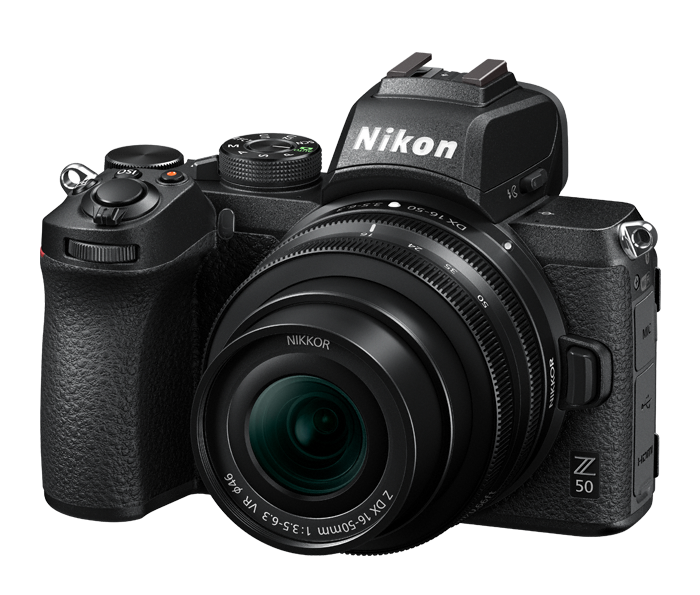
The Fujifilm X-T5 and the Nikon Z50 are two prominent mirrorless cameras in the APS-C format that cater to different segments of photographers, from enthusiasts to semi-professionals. Both cameras feature an electronic viewfinder and robust build quality, making them highly suitable for various shooting conditions. Prospective buyers often find themselves weighing the higher resolution and advanced features of the X-T5 against the cost-effectiveness and solid performance of the Z50. Key differentiators include sensor resolution, autofocus capabilities, video features, and overall handling.
Specifications Comparison
Detailed Comparison
Image Quality
When it comes to image quality, the Fujifilm X-T5 excels with its 40-megapixel APS-C sensor, generating highly detailed images with a wide dynamic range. Its ISO range also stretches from 64 to 51,200, allowing for excellent performance in low-light conditions. In contrast, the Nikon Z50 features a 21-megapixel sensor, which while capable, does not match the resolution offered by the X-T5. The Z50's ISO range stretches from 100 to 51,200 but has an option to expand further, providing flexibility for night shooting. The difference in megapixels translates to finer detail, making the X-T5 more favorable for large prints or heavy cropping scenarios. Additionally, Fujifilm's renowned film simulation modes enhance color reproduction and dynamic range, creating a distinctive charm in image output. Ultimately, when considering raw image quality and versatility in post-processing, the Fujifilm X-T5 takes the lead.
Autofocus System
The autofocus systems in these two cameras also show distinct differences. The Fujifilm X-T5 has an impressive 425 phase-detection autofocus points, providing accurate and quick focusing on subjects, which is particularly beneficial for fast-moving subjects in dynamic environments. In contrast, the Nikon Z50 offers 209 autofocus points, sufficient for most situations but noticeably lesser than that of the X-T5. The X-T5's wide coverage makes it a better option for sports or wildlife photography where precise focus tracking is essential. Moreover, the X-T5's advanced algorithms for face and eye detection further enhance its usability in portrait scenarios. Consequently, the X-T5 proves to be the superior choice in autofocus performance.
Video Capabilities
Both the Fujifilm X-T5 and the Nikon Z50 deliver good video recording options, though they cater to somewhat different audiences. The X-T5 can record in 6.2K at 30p using its high-resolution sensor or 4K up to 60p, allowing for more flexibility in post-production without compromising quality. Additionally, it includes advanced video features such as F-Log support, which is ideal for videographers looking to achieve cinematic results. On the other hand, the Z50 offers 4K recording but is capped at 30p, making it less suitable for users who require higher frame rates for smoother motion. This aspect could be a dealbreaker for filmmakers or serious content creators who seek versatility in their video work. Therefore, the Fujifilm X-T5 claims the crown in this category due to its higher specifications and features aimed at professional video production.
Build & Ergonomics
In terms of build quality, both cameras are designed with the user in mind. The Fujifilm X-T5 features a weather-sealed body, making it resilient against the elements, while the Z50 is similarly weather-sealed but with a slightly different design language. The X-T5 has a premium feel, boasting a sturdy grip and multiple dials for quick adjustments, which can enhance shooting efficiency in the field. The Z50, on the other hand, is lighter, which may appeal to those looking for portability. Its slightly larger screen measuring 3.2 inches displays 1,040,000 dots, offering a bigger viewing area compared to the 3-inch, 1,840,000-dot display of the X-T5. Nevertheless, the overall user experience, taking into account handling and access to controls, tends to favor the more feature-rich Fujifilm X-T5.
Battery & Storage
Battery life is a critical factor for photographers and videographers alike. The Fujifilm X-T5 boasts an impressive battery life of approximately 580 shots, significantly outpacing the Nikon Z50's 320 shots. This makes the X-T5 more suitable for long day shoots where changing batteries may not be practical. Additionally, both cameras utilize similar SD card storage solutions, but the X-T5 supports UHS-II cards for faster read/write speeds, which can be beneficial for high-speed continuous shooting and video recording. Thus, in terms of battery efficiency and storage capabilities, the X-T5 again proves to be the more dependable choice.
Value for Money
When it comes to pricing, the Nikon Z50 stands out as a more budget-friendly option at $859, making it accessible for beginners and those looking to get into photography without a significant investment. In contrast, the Fujifilm X-T5 is priced at $1,699, which reflects its advanced capabilities and higher-end features. For photographers who do not require the high pixel count or additional video functionality of the X-T5, the Z50 offers excellent image quality and performance for its price. Therefore, while the X-T5 delivers superior features, the Z50 offers exceptional value for those who need a competent camera without breaking the bank. This section would result in a tie, as value is subjective to the buyer's needs.
Our Verdict
Ultimately, while both cameras have their merits, the Fujifilm X-T5 emerges as the overall winner due to its superior image quality, advanced autofocus system, and enhanced video capabilities. It is particularly well-suited for professional photographers and videographers who demand high performance and versatility. Conversely, the Nikon Z50 is an excellent choice for entry-level photographers or those seeking a lightweight, budget-friendly camera that can still deliver great results. Depending on the buyer's specific needs, the Z50 remains a strong contender offering great value for its price.
Fujifilm X-T5
Nikon Z50
Also Compare
Frequently Asked Questions
Which camera is better for low-light photography?
The Fujifilm X-T5 is better for low-light photography due to its superior autofocus system and wider ISO range compared to the Nikon Z50.
Can the Z50 handle 4K video?
Yes, the Nikon Z50 can handle 4K video but is limited to 30p, making it less versatile than the X-T5, which can record in 4K up to 60p.
How do these cameras compare in terms of lenses available?
Both cameras have a growing selection of lenses available, but Fujifilm's X mount has a wider variety of high-quality prime and zoom lenses tailored for photographic needs.
Is the build quality of the Z50 sufficient for outdoor use?
Yes, the Nikon Z50 is weather-sealed and can handle outdoor conditions well, but the Fujifilm X-T5 has a more robust build overall.
For video creators, which camera should I choose?
The Fujifilm X-T5 is the better choice for video creators, offering higher resolution options, advanced video features, and better ergonomics for extended shooting sessions.